
XR Storytelling Techniques for Immersive Narratives
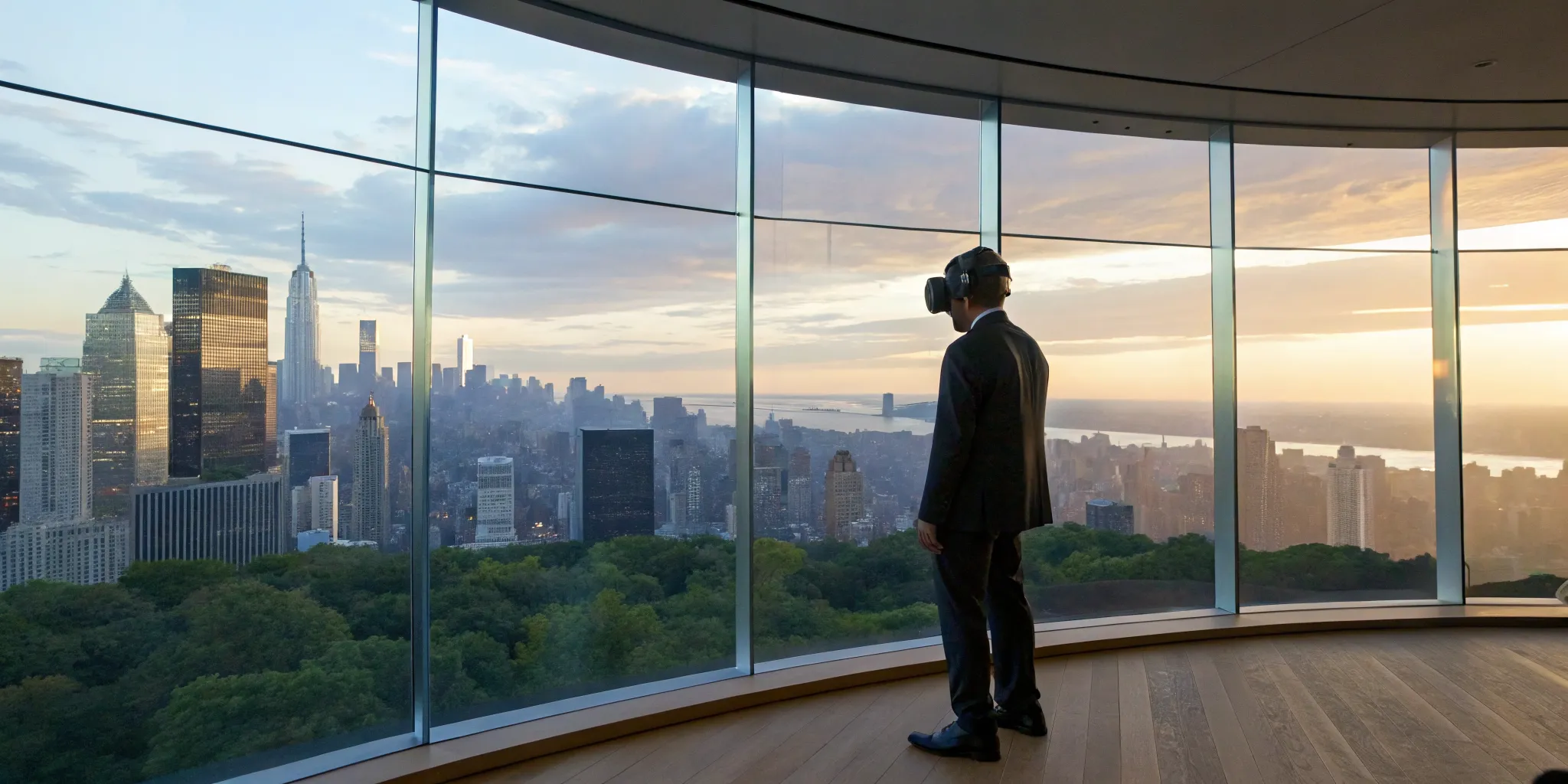
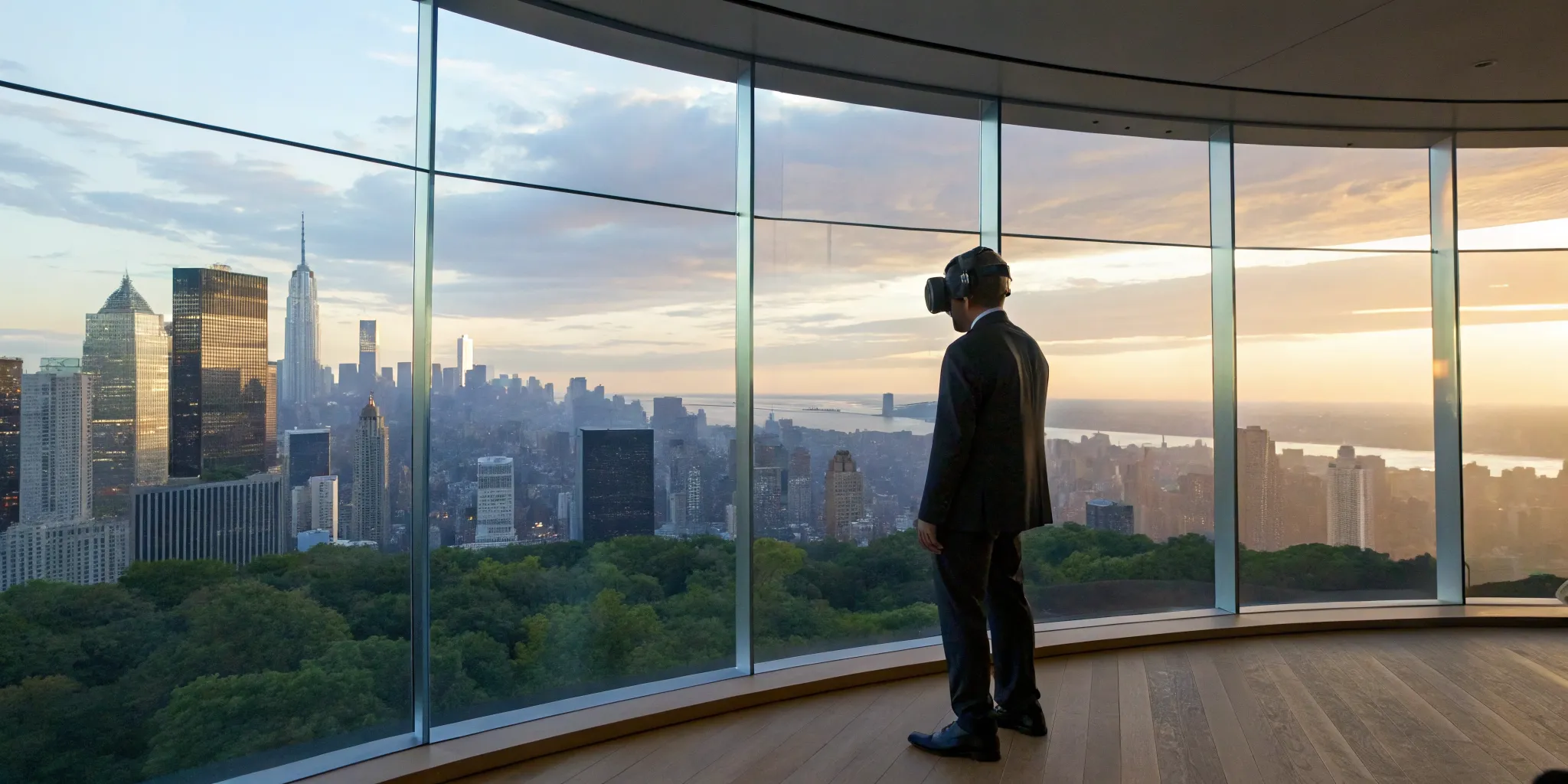
What if your audience could walk through the worlds you’ve only described in text or shown on screen? That’s the fundamental promise of Extended Reality. Unlike traditional media where the audience is a passive observer, XR places them directly at the center of the action. It’s a spectrum of technologies, from fully immersive Virtual Reality (VR) to Augmented Reality (AR) that overlays digital elements onto our world. The common thread is participation. This guide is for creators and IP holders who are ready to explore this new frontier. We’ll cover the essential XR storytelling techniques that form the foundation of compelling immersive experiences, helping you understand how to build a narrative that your audience can live inside.
Key Takeaways
- Shift from Viewer to Participant: The magic of XR is letting your audience step into the story. Give them agency with interactive choices and an embodied perspective to make them feel personally invested in the world you have built.
- Create a Balanced Experience: The best XR narratives guide the user without feeling restrictive. Use a mix of passive storytelling for key plot points and active segments for exploration to create a dynamic rhythm that keeps your audience engaged and empowered.
- Design for the User, Not Just the Tech: An intuitive experience is non-negotiable. Prioritize user-centric design by prototyping, testing with real people, and refining your interface. When the user can forget about the controls, they can fully lose themselves in your story.
What Is XR Storytelling?
XR stands for Extended Reality, a term that covers everything from virtual reality (VR) to augmented reality (AR). At its core, XR storytelling uses this technology to pull your audience out of their world and place them directly inside yours. Instead of just telling a story, you’re building an experience. This approach creates a powerful sense of presence and can forge deep, lasting emotional connections with your audience in a way that traditional media often can't. It’s about making your world feel real, tangible, and unforgettable.
XR vs. Traditional Storytelling
Think about the difference between watching a movie and being in one. That’s the leap from traditional storytelling to XR. Traditional mediums like books and films present a story for a passive audience to watch, read, or listen to. You're on the outside looking in. XR storytelling, however, is active. It invites the audience to step inside a three-dimensional environment and participate. They aren't just viewers; they are participants who can interact with the world, influence events, and experience the narrative firsthand. This shift from passive observation to active participation is what makes XR a fundamentally different and deeply engaging way to connect with your fans.
The XR Spectrum: VR, AR, and MR
Extended Reality (XR) isn't a single technology but a spectrum of immersive experiences. On one end, you have Virtual Reality (VR), which completely replaces your surroundings with a digital world. Put on a headset, and you’re transported. On the other end is Augmented Reality (AR), which overlays digital elements onto your real-world view, usually through a phone or smart glasses. Think of characters appearing in your living room. In the middle is Mixed Reality (MR), where digital and physical objects coexist and interact in real time. Our virtual production services often use these techniques, blending real-world filmmaking with computer-generated environments to create seamless, hybrid worlds for film and television.
Why XR Matters for Your IP
So, why should you care about XR for your intellectual property? Because it offers a powerful new way to expand your universe and deepen audience loyalty. XR technology allows you to move beyond the limits of a single screen or page, letting you build truly immersive worlds that fans can explore. Imagine letting your audience walk through a starship from your film or interact with a character from your game in their own home. This isn't just a novelty; it's a strategic tool for world-building. As we've seen with projects like Star Wars: Skeleton Crew, XR can enhance your narrative, create unforgettable moments, and give your IP a competitive edge by offering experiences that fans can't get anywhere else.
Core XR Storytelling Techniques
Think of XR storytelling techniques as your creative toolkit. While traditional media has a well-defined language of camera angles and editing, XR offers a new set of tools to build worlds and tell stories. These core techniques are the foundation for creating experiences that feel truly immersive, making your audience feel like they’ve stepped directly into your IP’s universe. It’s not just about showing them a story; it’s about letting them live inside it.
Mastering these methods allows you to guide the audience’s experience while still giving them a sense of freedom and presence. You can direct their attention, evoke specific emotions, and build a deep connection between them and your world. By combining these techniques, you can create a cohesive and compelling narrative that sticks with your audience long after they take off the headset. Our creative and technical services are built around using these very tools to expand stories across new and exciting platforms. It’s about crafting a memorable journey from every possible angle.
Design Immersive Environments
In XR, the environment is more than just a backdrop; it’s an active participant in your story. This is your chance to build a world that feels tangible and alive. XR technology lets you design immersive sets and move freely between physical and digital worlds, giving you incredible creative control. You can construct a hyper-realistic city street or a fantastical alien planet that your audience can explore firsthand. The key is to fill the space with details that tell a story, from the texture of a wall to the objects left on a table. These elements make the world feel lived-in and authentic, inviting your audience to look closer and discover the lore you’ve woven into the very fabric of the space.
Use Spatial Audio and Sensory Layers
What your audience hears is just as important as what they see. Spatial audio, or 3D sound, is a powerful tool for grounding users in an environment and directing their attention. A sound coming from behind will make them turn around, while a distant echo can create a sense of vastness or mystery. Beyond audio, you can layer in other sensory feedback, like haptic vibrations in controllers, to simulate touch and impact. As you build your narrative, think about how sound and sensation can enhance the mood, provide crucial information, and make the virtual world feel more real and reactive to the user’s presence.
Create Interactive Narrative Branches
One of the most exciting aspects of XR is the ability to give your audience agency. Instead of following a single, predetermined path, they can make choices that influence the story. These interactive narrative branches make each playthrough feel personal and unique. For example, a user might decide which character’s lead to follow or make a moral choice that alters the ending. This interactivity transforms the audience from passive viewers into active participants, deepening their engagement and investment in the outcome. As you develop your story, consider where you can offer meaningful choices that empower the user and make them feel like their actions truly matter.
Establish an Embodied Perspective
XR has an incredible ability to generate empathy by placing the user directly into the story. This is called establishing an embodied perspective. The audience isn’t just watching events unfold on a screen; they are experiencing them from a first-person point of view, often with a virtual body that mirrors their own movements. This sense of presence makes the narrative feel immediate and personal, which can create strong emotional connections. When a character speaks, they are speaking directly to you. When something happens in the world, it feels like it’s happening to you. This technique is fundamental for making your audience care deeply about the world and its inhabitants.
Introduce Narrative Guides
In a 360-degree environment, it’s easy for an audience to get lost or miss key story beats. That’s where narrative guides come in. A guide can be a companion character who travels with the user, a voiceover that provides context, or even subtle environmental cues like a path of light or a directional sound. The goal is to gently steer the user’s attention without making them feel restricted. Think of it like a "radio play" element, where sound becomes a tool to guide the experience. These guides help maintain the narrative flow and ensure that your audience experiences the story as you intended, all while preserving their sense of exploration and discovery.
Layer Your Storytelling
The most compelling XR experiences are often layered. While a main narrative might guide the user forward, you can add depth by scattering secondary stories and interactive elements throughout the world. A user might find an audio log that reveals a character’s backstory, or they might interact with an object that triggers a hidden memory. This approach rewards curiosity and encourages exploration, making the world feel richer and more expansive. It’s a delicate dance between guiding the user and giving them the freedom to explore. By layering your narrative, you create an experience that can be enjoyed on multiple levels, whether the user follows the main path or ventures off to uncover every secret.
Active vs. Passive XR Storytelling
When you bring your story into an XR environment, one of the first creative decisions you'll make is how much control to give your audience. Do they sit back and watch the world unfold, or do they step inside and become part of the action? This choice defines the line between passive and active storytelling. Understanding both approaches, and how to combine them, is key to creating an experience that truly connects with your audience and serves your IP.
Active Storytelling: Give the Audience Control
In active storytelling, the audience is no longer just an audience; they are participants. This approach gives them agency, allowing their choices and actions to influence the narrative. Instead of watching a character solve a puzzle, they solve it themselves. Instead of hearing about a dramatic choice, they make it. This level of interaction is what makes the user feel truly present in the world you’ve built. The key is to make their participation meaningful, where their decisions have a real impact on the experience and its outcome. Crafting these interactive narratives is a core part of building engaging experiences that extend your IP into new, participatory formats.
Passive Storytelling: Guide the Immersion
Passive storytelling guides the audience through a narrative without requiring their direct input. Think of it as an immersive, 360-degree film where the story unfolds around you. The user can look around and explore the scene, but they can't change the plot. This doesn't mean the experience is any less powerful. Passive XR is perfect for telling a strong, specific story where you want to control the pacing and emotional arc. It allows you to create breathtaking, cinematic moments and ensure every viewer experiences the core narrative as you intended. This technique is often used in virtual production for film and TV to place audiences directly inside a meticulously crafted world.
How to Blend Active and Passive Techniques
The most compelling XR experiences often blend both active and passive elements. You don’t have to commit to just one method. You can use passive scenes to deliver important exposition, set the mood, or introduce key characters, ensuring everyone gets the foundational information. Then, you can transition into active segments where the audience applies that knowledge to explore, interact, and move the story forward. This hybrid model creates a balanced rhythm, guiding the user when necessary while empowering them at key moments. It’s a powerful way to build out a transmedia narrative that feels both epic in scope and deeply personal.
Use Gamification to Deepen Engagement
A fantastic way to structure active participation is through gamification. By incorporating game-like elements such as challenges, objectives, or rewards, you can make the interactive parts of your story even more engaging. Gamification gives users a clear sense of purpose and progress, motivating them to explore your world more deeply. This could be as simple as collecting story fragments to unlock a new chapter or as complex as completing skill-based challenges that alter the narrative path. When you develop a game around your IP, you invite your audience to play an active role in its universe, strengthening their connection and loyalty to your brand.
How to Create Empathy with XR Storytelling
Empathy is the secret ingredient that transforms a good story into an unforgettable one. It’s the bridge that connects your audience to your characters and your world on a deeply personal level. While traditional media asks audiences to imagine another perspective, XR places them directly within it. This ability to generate true presence is what makes XR an unparalleled tool for building emotional connections. By letting your audience see, hear, and interact with your narrative from a new point of view, you can create powerful, lasting impressions that resonate long after the headset comes off.
For IP holders, this is a game-changer. Creating empathy isn’t just about telling a sad story; it’s about fostering a genuine bond between your audience and your universe. When people feel connected to your characters and understand their struggles, they become more than just consumers. They become advocates and loyal fans. Whether you're expanding a beloved franchise or launching a new one, using XR to build empathy can significantly deepen audience engagement and create a more dedicated community around your IP. Our strategic services focus on finding these emotional core truths within an IP and translating them into immersive experiences that stick.
Drive Emotional Resonance with Perspective
The most direct path to empathy is through perspective. XR gives you the power to let your audience literally walk in someone else’s shoes. By designing an experience from a first-person or embodied point of view, you remove the barrier between the viewer and the character. This creates an immediate and visceral connection that passive viewing can’t match. As the Society for News Design notes, "XR storytelling can create strong emotional connections with people. It can change how people think, act, and make decisions." This is because experiencing a story, rather than just watching it, forges a stronger emotional and psychological bond with the narrative and its themes.
Build Relatable 3D Characters
Great stories are built around characters we care about. In XR, characters can step out of the screen and into the room with your audience, making them feel more present and real than ever before. Using advanced tools like virtual production, you can design incredibly detailed characters and place them in dynamic, immersive environments. This technology "allows filmmakers to design immersive sets and move more freely between physical and digital worlds," giving you the freedom to craft nuanced performances and interactions. Seeing a character’s subtle expressions up close or having them react to your presence makes them far more relatable, turning them from a fictional concept into a believable individual your audience can connect with. We've seen this firsthand in our work on projects like Ant-Man and The Wasp: Quantumania.
How to Measure Emotional Impact
How do you know if your story is truly connecting with your audience? In XR, one of the key metrics for emotional impact is "presence." As the Learning Guild explains, active participation in a story helps people feel like they are truly 'there.' This feeling of presence is a strong indicator that your audience is emotionally invested and immersed in the world you’ve built. You can measure this through a combination of analytics, like tracking where users look and how they interact with the environment, and user feedback. Observing how people engage with your narrative allows you to identify which moments are creating the strongest emotional response and refine your story for maximum impact.
What Makes an XR Narrative Compelling?
A great XR experience is more than just a technical showcase; it’s a story that sticks with you. While the technology provides the canvas, it’s the narrative design that creates a truly memorable and immersive world. Compelling XR stories don't just happen. They are carefully crafted by balancing user freedom with narrative guidance, building believable worlds, and breaking free from the constraints of linear plots. When these elements work together, you create an experience that feels personal, expansive, and deeply engaging for your audience.
Balance Freedom and Structure
The most effective XR stories find a sweet spot between giving the audience control and guiding them through the narrative. Your goal is to make people feel present and empowered without letting them get lost or miss key story beats. The best approach is to mix both passive and active elements. Passive moments, like guided narration or cinematic scenes, are perfect for delivering crucial exposition and setting the emotional tone. Active parts, where the user makes choices or interacts with the environment, create a powerful sense of presence and agency. This blend ensures the story moves forward while making the audience feel like they are a meaningful part of it.
Build Worlds in Immersive Spaces
XR gives you the power to construct entire universes from the ground up. Instead of just showing your audience a world, you can invite them to step inside it. This is where world-building becomes a tangible, interactive process. Using XR technology, you can design immersive sets that feel vast and real, allowing users to explore every corner. At Arctic7, we use virtual production to create these rich environments, moving seamlessly between physical and digital spaces. A compelling world has its own history, atmosphere, and rules that the audience can discover organically, which deepens their connection to your IP and makes the story feel authentic.
Use Non-Linear Narratives and Multiple Perspectives
XR frees your story from a single, straight line. This technology is fundamentally reshaping the ancient art of storytelling by allowing for complex, branching narratives that respond to a user's actions. Imagine a story that unfolds differently each time it’s experienced, revealing new details or character viewpoints based on the choices someone makes. This approach not only increases replayability but also allows you to explore the depth of your IP in ways a traditional format can't. You can let audiences see a critical event from multiple perspectives or uncover hidden lore, making them active participants in the expansion of your story's universe.
Overcome Common XR Storytelling Challenges
Creating a truly immersive narrative is an exciting frontier, but it comes with a unique set of hurdles. From the technology itself to your audience’s expectations, building a compelling XR experience requires you to be a problem-solver. The good news is that these challenges aren’t roadblocks; they’re creative constraints that can lead to more innovative and impactful storytelling.
Thinking through these potential issues early on will save you headaches down the road. By planning for technical limitations, budget realities, and user needs from the start, you can focus on what matters most: telling a great story. Let’s walk through some of the most common challenges and how you can approach them strategically. With the right partner and a clear plan, you can turn these obstacles into opportunities to create something unforgettable. Arctic7’s transmedia services are designed to help you do just that, guiding your IP through every stage of development.
Manage Technical and Hardware Limits
It’s easy to dream big in XR, but your story will ultimately be experienced on real-world hardware. The technology is constantly evolving, but limitations in processing power, display resolution, and accessibility are still very real factors. Instead of letting this hold you back, use it to focus your creative vision. A powerful story doesn't rely on the highest-end headset; it relies on smart design choices that work within the available tech.
The key is to optimize for a range of devices, ensuring your narrative is accessible to the widest possible audience. This might mean simplifying environments or creating scalable assets that look great on different platforms. By designing for the technology that exists today, you can deliver a polished and seamless experience that captivates your audience without glitches or performance issues. This approach was central to our virtual production work on projects like Ant-Man and The Wasp: Quantumania, where we balanced creative ambition with technical execution.
Work Within Your Resource Constraints
XR development can feel expensive, with costs for hardware, software, and content creation adding up quickly. But a limited budget doesn’t have to mean a limited story. It simply means you need to be strategic about where you invest your resources. Start by identifying the core elements that will deliver the most narrative impact for your audience. Is it a complex branching storyline, a highly detailed character model, or a specific interactive mechanic?
Focus your budget on what makes your story special. A project with a clear scope and well-defined priorities is far more likely to succeed than one that tries to do everything at once. You can also plan for a phased release, building out your world over time as your audience and revenue grow. Our work on the mobile game Lollipop Racing shows how a focused vision can lead to a fun and engaging experience without an enormous budget.
Design an Intuitive UX Through Iteration
In XR, the user experience (UX) isn't just a menu or a button; it's the way the audience interacts with the entire world. If the controls are clunky or the interface is confusing, the immersion is broken, and your story will suffer. The best way to avoid this is to adopt an iterative design process from day one. This means building a prototype, getting it into the hands of real users, and gathering feedback early and often.
User testing will reveal friction points you never would have noticed on your own. Is movement intuitive? Are interactive objects clearly identifiable? Is the user guided naturally through the narrative? Answering these questions through iterative design allows you to refine the experience until it feels completely seamless. When the user can forget about the controls, they can lose themselves in your story.
Engage Audiences at All Skill Levels
Your audience will come to your XR experience with a wide range of technical skills and expectations. Some will be seasoned gamers eager to explore every corner of your world, while others may be putting on a headset for the very first time. A successful narrative needs to engage everyone, regardless of their comfort level with interactive media. The solution is to blend active and passive storytelling techniques.
Create a clear narrative path that a passive user can follow to enjoy the main story, but layer in optional interactions and hidden details for active users to discover. This allows you to provide a guided experience for those who want it while rewarding the curiosity of those who seek more. This flexible approach makes your world feel both accessible and deep, ensuring that every member of your audience can connect with your IP in a meaningful way, much like the diverse fanbase of the Star Wars universe.
Design for Your XR Audience
Creating a story for XR means you aren't just showing your audience a world; you're inviting them inside it. This shift requires a deep focus on the user's experience. Every element, from the way they move to the information they receive, must be designed with their comfort and immersion in mind. When you put the audience first, the technology fades into the background, allowing the narrative to take center stage. This user-centric approach is the foundation of every successful immersive project.
Thinking about your audience from the very beginning helps you anticipate their needs and reactions. Are they seasoned gamers or new to VR? Will they be standing, sitting, or moving around a large space? Answering these questions informs your design choices and helps you avoid common pitfalls that can pull a user out of the story. At Arctic7, our strategic development process is built around this principle, ensuring that the final experience feels intuitive, engaging, and perfectly tailored to the intended audience.
Reduce Cognitive Overload
XR has an incredible ability to forge deep emotional connections, but it's easy to overwhelm your audience. Cognitive overload happens when a user is bombarded with too much information, too many interactive choices, or a visually cluttered environment. This can lead to confusion and frustration, completely breaking the sense of presence you've worked so hard to build. The key is to guide their attention, not demand it from all directions at once.
To avoid this, focus on clarity and simplicity. Use clean visual cues to direct the user's gaze and highlight important interactive elements. Introduce new mechanics one at a time, giving the audience a chance to learn before adding more complexity. As the Society for News Design notes, XR storytelling methods can be powerful tools for change, but their effectiveness hinges on creating a narrative that is easy to follow. By carefully managing the flow of information, you ensure your audience can fully absorb the story and its emotional weight without feeling mentally exhausted.
Pace Your Narrative Flow
A great XR story needs a dynamic rhythm. A relentless, action-packed pace can be just as disengaging as a story that moves too slowly. The most compelling experiences find a balance between giving the audience agency and guiding them through the narrative. It’s about creating a natural ebb and flow that keeps them invested without causing fatigue. Think of it as a dance between doing and observing.
The best stories often mix both passive and active elements. According to the Learning Guild, "Passive parts help explain things, give background information, and set up problems in the story. Active parts keep people interested and make them feel like they are truly 'there'." Give your audience moments of quiet reflection to absorb their surroundings and understand the stakes. Then, introduce active storytelling segments where their choices and actions drive the plot forward. This blend allows you to deliver crucial exposition while empowering the user, making them feel like a true participant in the world you've built.
Prioritize Accessibility in XR
For your story to have the widest possible impact, it needs to be accessible. The reality is that XR hardware can be expensive, and not everyone has the same physical abilities or technical comfort level. As research from Together Learning points out, the cost of VR can accentuate the existing digital divide, making it crucial to consider who might be left out. Designing for accessibility isn't just an ethical choice; it's a practical one that expands your potential audience.
Think about accessibility from multiple angles. Offer options for both seated and standing experiences. Provide alternative controller schemes and include clear, resizable subtitles. Ensure that audio cues are supported by visual ones for those who are hard of hearing. By building in these considerations from the start, you create a more inclusive experience that welcomes more people into your world. This thoughtful approach ensures your narrative can resonate with the largest audience possible, regardless of their physical or financial circumstances.
Make User-Centric Design Your Foundation
Ultimately, every decision you make should circle back to one question: How will this serve the audience's experience? A user-centric approach is the bedrock of powerful XR storytelling. While the technology allows creators to build breathtaking worlds, that freedom is most effective when it's used to enhance the user's journey and emotional connection to the narrative. This means prioritizing intuitive interaction, clear goals, and a comfortable physical experience above all else.
This philosophy is central to our work on major Hollywood productions. For projects like Ant-Man and the Wasp: Quantumania, our virtual production work focused on creating immersive sets that felt both spectacular and believable for the cast and crew. By putting the user (in this case, the filmmakers and actors) at the center of the design, we enabled them to move more freely between physical and digital worlds. This same principle applies to consumer-facing experiences. When you build your world around the user, you create a more believable, engaging, and memorable story.
XR Storytelling Across Platforms and Industries
The true power of XR storytelling is its incredible versatility. These techniques aren't confined to a single medium; they can be adapted to create powerful experiences across games, film, television, and even industries you might not expect. While the core principles of building immersive worlds and interactive narratives remain consistent, the way you apply them changes with each platform. This flexibility allows you to meet your audience where they are and extend the reach of your IP into new and exciting territories.
The convergence of these technologies is fundamentally reshaping storytelling paradigms, offering fresh opportunities for creativity and engagement. For IP holders, this means you can think beyond a single release format and start building an interconnected entertainment ecosystem. By understanding how to leverage XR in different contexts, you can create a more cohesive and expansive world for your fans to explore, deepening their connection to your story and characters. Let’s look at how these techniques come to life across various industries.
Adapt XR for Game Development
For game developers, XR is a natural evolution that takes player immersion to an entirely new level. Instead of just controlling a character on a screen, players can step directly into your world. Custom VR game development allows you to bring your IP to life in a tangible way, letting fans physically interact with environments and characters they’ve only ever imagined. This creates a powerful sense of presence that enhances player engagement and makes the narrative feel personal. By building interactive worlds with XR, you give your audience the agency to explore, discover, and become a part of the story themselves, forging a much deeper and more memorable connection to your IP.
Use Virtual Production in Film and TV
XR is completely changing the game for film and television through virtual production. This approach blends physical filmmaking with real-time CGI, allowing creators to shoot live-action actors within dynamic, digital environments displayed on massive LED walls. This hybrid technique means directors and actors can see and react to the virtual world on set, leading to more authentic performances and greater creative control. For a project like Ant-Man and the Wasp: Quantumania, virtual production was essential for creating its complex alien worlds. It moves a significant portion of post-production work directly into the shoot, giving filmmakers the ability to make creative decisions on the fly and capture breathtaking, in-camera visual effects.
Build Transmedia Narratives with XR
XR offers a fantastic opportunity to build transmedia narratives that extend your story beyond its original format. Think of it as creating new doorways into your world. A novel, for instance, doesn't have to end on the last page. XR technology has the potential to revolutionize the publishing industry by adding interactive layers to traditional stories. An accompanying AR app could let readers scan a page to see a 3D model of a mythical creature, while a short VR experience could transport them to a key location from the film. This approach doesn't just retell the same story; it enriches it, offering fans new content and deeper lore to explore across multiple platforms.
Explore Cross-Disciplinary Applications
The principles of immersive storytelling aren't limited to entertainment. The ability to create empathy and understanding through embodied experiences has powerful applications in fields like education, corporate training, health care, and marketing. Imagine a historical lesson where students can walk through ancient Rome, or a surgical training simulation that allows doctors to practice complex procedures in a risk-free environment. As these technologies become more accessible, we'll see more innovative uses emerge. For IP holders, this signals the long-term value of investing in XR; the skills and assets you develop can be repurposed for brand activations, educational tools, and other ventures that expand your IP's influence.
Best Practices for XR Storytelling
Creating a truly immersive XR experience is both an art and a science. It’s not just about having the latest technology; it’s about using that technology to tell a story that captivates and moves your audience. Following a few core principles can make the difference between a forgettable tech demo and a world your audience wants to return to again and again. These practices ensure your narrative remains the star of the show, your design is user-friendly, and your final product achieves its creative and strategic goals.
Start with Story, Not Technology
The most dazzling virtual world will fall flat without a compelling narrative at its core. Before you even think about headsets or hardware, focus on the story you want to tell. What is the emotional journey you want your audience to take? What message do you want them to leave with? XR is a powerful medium because it can forge deep emotional connections and even change how people think and act. By prioritizing your narrative, you ensure the technology serves the story, not the other way around. This story-first approach is fundamental to our creative execution process, where we build the world around a solid narrative foundation.
Prototype and Iterate with Real Users
Your first idea is rarely your best one, and that’s perfectly okay. The key to great XR design is to build, test, and repeat. Create simple prototypes and get them in front of real users as quickly as possible. Watch how they interact with the world, where they get stuck, and what delights them. As experts suggest, it's okay to make mistakes as we learn to apply old storytelling ideas to new XR learning tools. This iterative process of prototyping and testing is invaluable. It helps you refine your mechanics, smooth out the user experience, and ensure your story lands with maximum impact.
Measure Engagement and Refine Continuously
A successful XR narrative often feels like a dance between the creator and the audience. You guide the experience, but the user needs the freedom to explore and make it their own. The best stories blend passive, guided moments with active, interactive elements to create a dynamic flow. To get this balance right, you need to measure how users engage with your world. Are they following the narrative paths you created? Are they discovering hidden details? By analyzing user behavior, you can continuously refine the experience, strengthening the narrative and deepening audience immersion in a universe like the Star Wars galaxy.
The Future of Immersive Storytelling
The world of XR storytelling is constantly moving forward, driven by new technologies and creative ambitions. While the core techniques give you a solid foundation, keeping an eye on emerging trends is key to building narratives that feel fresh and truly innovative. The future isn’t about replacing traditional storytelling but expanding its possibilities. For IP holders, these advancements open up exciting new ways to connect with audiences and build deeper, more interactive worlds around your core stories. The next wave of immersive experiences will be more intelligent, integrated, and accessible than ever before.
AI-Driven and Adaptive Narratives
Imagine a story that adapts to each viewer’s choices, emotions, and even their gaze. This is the promise of AI-driven narratives. By integrating artificial intelligence with XR, we can create dynamic stories that personalize the experience in real time. Instead of a single, fixed plot, the narrative can branch in countless directions, responding to a user's actions to deliver a unique journey for everyone. This creates incredible replay value and makes your world feel truly alive. Our comprehensive services are designed to explore these cutting-edge techniques, helping you build intelligent, responsive worlds that captivate audiences on a deeper level.
Blend Real and Virtual Worlds
The line between the physical and digital worlds is becoming increasingly fluid, especially in film and television production. XR filmmaking, particularly through virtual production, allows creators to blend real-life actors and sets with expansive, computer-generated environments in a single, seamless shot. This hybrid approach gives directors and performers immediate visual context, something green screens could never offer. It allows for the creation of breathtaking, fantastical worlds, like those seen in Ant-Man and the Wasp: Quantumania, without the logistical challenges of shooting on location. This technique is transforming visual storytelling by making the impossible, possible.
The Growing Accessibility of XR Tools
For a long time, creating high-quality XR experiences was limited to teams with huge budgets and highly specialized hardware. That's quickly changing. As major technology companies invest heavily in developing more affordable and user-friendly headsets and software, the tools for immersive storytelling are becoming more accessible. This shift is lowering the barrier to entry for creators and IP holders. As the hardware improves and development platforms become more intuitive, you have more opportunities to experiment with XR and integrate it into your transmedia strategy without needing a massive initial investment, as the rise of XR continues to gain momentum.
Related Articles
- 6 Best Cinematic XR Production Companies for Your IP
- A Guide to VR, AR Storytelling & Virtual Production
- Mastering Narrative Design for Virtual Production
- What is Extended Reality in Filmmaking? Explained
- Getting Started in VR AR Game Development
Frequently Asked Questions
My IP is already successful on a traditional platform. Why should I consider XR? Think of XR as a way to deepen the relationship you already have with your audience. Instead of just presenting your world, you’re inviting fans to step inside it, explore its corners, and interact with its characters. This creates a powerful sense of presence and personal connection that traditional media can’t replicate. It’s not about replacing what works; it’s about building new, immersive doorways into your universe that can foster incredible loyalty and expand your story in exciting directions.
This sounds expensive. Do I need a massive budget to create a meaningful XR experience? Not at all. A successful XR project is about being strategic, not just spending a lot of money. The key is to focus your resources on the elements that will have the most narrative impact. A compelling story with one or two well-executed interactive moments can be far more effective than a visually complex world that feels empty. You can start with a focused scope, prove the concept, and build out your world over time as your audience grows.
How do I tell a cohesive story if the user can look and go anywhere they want? This is a great question and a core challenge of XR design. The solution is to find a balance between freedom and guidance. You can use techniques like spatial audio, lighting cues, or even a companion character to gently direct the user’s attention to key story beats. The most effective experiences often blend passive, cinematic scenes that deliver crucial information with active segments where the user has more agency to explore. This creates a rhythm that feels both empowering and narratively satisfying.
What if my audience isn't made up of tech-savvy gamers? How do I make XR accessible? You design for everyone by layering your experience. Create a clear, intuitive main path that a first-time user can easily follow to enjoy the core story. Then, for those who are more adventurous, you can hide secondary narratives, interactive objects, and other details off the beaten path. This approach ensures that the experience is welcoming for newcomers while still offering depth and replayability for more experienced users. It’s about providing options, not forcing everyone into the same interactive mold.
What is the single most important thing to remember when starting an XR project? Always start with the story, not the technology. It’s easy to get excited about the possibilities of a new headset or software, but the technology is just the vehicle. A strong, emotionally resonant narrative should be the engine driving all your creative and technical decisions. Ask yourself what story you want to tell and what feeling you want to leave your audience with. When you build from that foundation, the technology becomes a powerful tool to serve your vision.
New Immersive & XR Media Capabilities Added to Arctic7's Suite of Games, Film & TV and Digital Services

Arctic7 Shares Details of its Work on Skeleton Crew and Cinematics Partnership with Fateless

The Human Touch: Adding Personality to Project and Product Management
Whether it’s your team, your client, or your stakeholders, understanding the human dynamics is just as critical as hitting milestones.

McDonald's Case Study: Bridging Brand and Play | Arctic7
Bridging Brand and Play: An Interview with Lindsay Blenkhorn Daggitt