


Skipping the cutscene isn't the problem... it's the point
Noah Hawley just confirmed his Far Cry series for FX won't be adapting any of the games.
The reason he gave: players skip the cutscenes, so "the human drama is kind of irrelevant to the storyline. That is death for a show."
Even if he's 100% right and literally no one watches the cutscenes, he's still wrong about everything that follows. Don’t get me wrong, Hawley is one of the best showrunners alive. Fargo. Legion. Alien: Earth. I have enormous respect for his craft. But his mastery of linear episodic storytelling has done him a disservice here and left him without an understanding of what people actually love about their game experiences and what they want to get out of any adaptation.
I've sat in rooms with some of the best filmmakers and showrunners in the business. I've heard this exact reasoning more times than I can count. Every time it leads to the same place: a studio strips out what made the IP matter, and wonders why the audience doesn't engage.
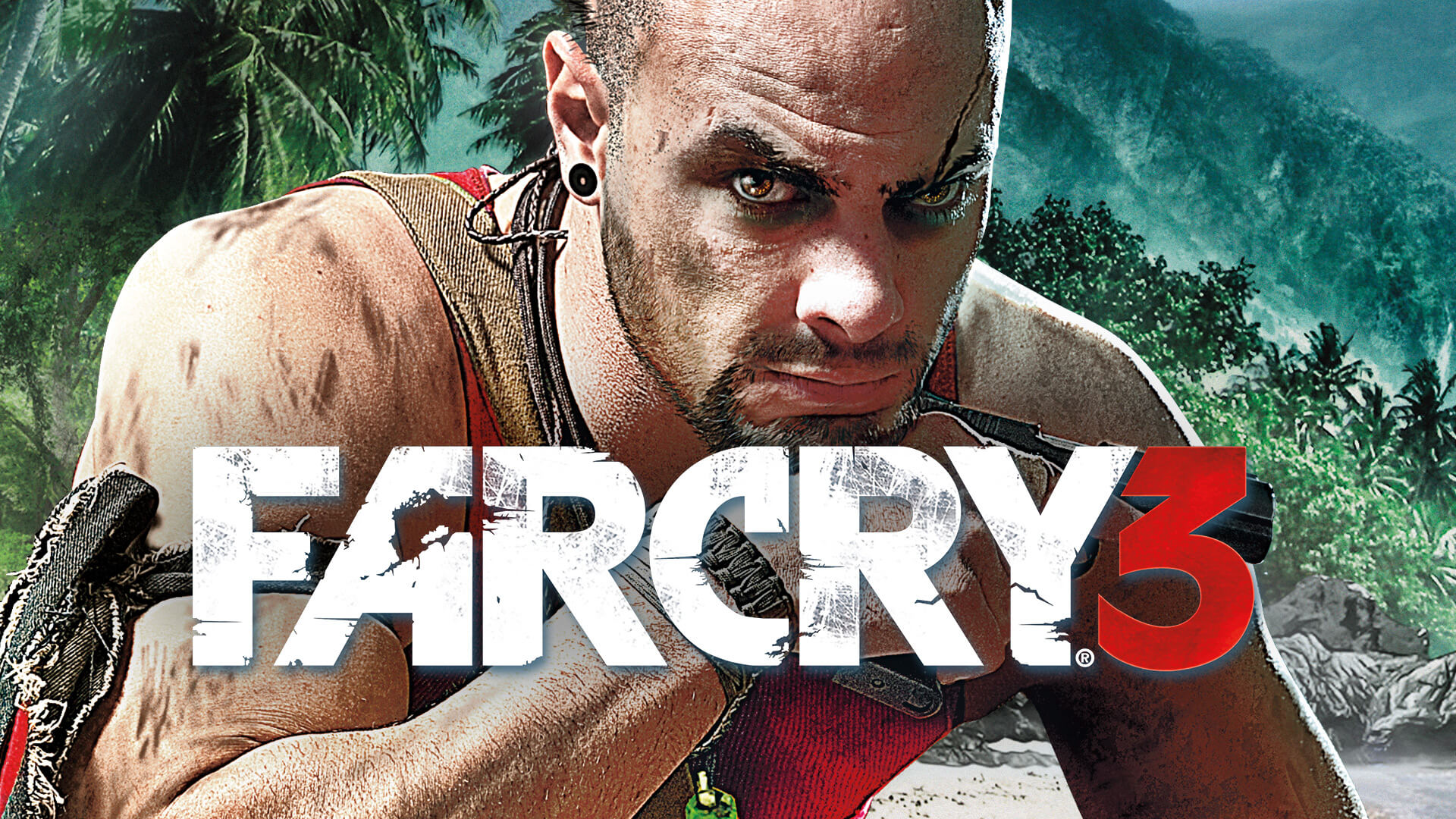
In the short time since the announcement, gamers have responded by meme-ing Hawley with Vaas's own "definition of insanity" speech. It is one of the most quoted pieces of dialogue in gaming history, from what is widely considered the best installment in the series, Far Cry 3. The concept predates the game, long misattributed to Einstein. But the speech is not why this moment is resonating. And it is not why the scene is unforgettable.
Before you ever reach that moment in the game, on a precipice with a monologuing madman, you are Jason Brody. A tourist, completely out of your depth. You watched Vaas murder your brother in the opening minutes. You have been hunted across a hostile island, scraping and improvising, dying and going back in, over and over. You have a personal history with this man and this island built entirely from your own actions and your own failures.
By the time Vaas has you tied to that cinder block, the speech about doing the same thing and expecting different results is not a villain monologue. It is Vaas narrating your own experience back at you.
The cutscene is punctuation on a story the player wrote themselves.
So when Hawley says people skip the cutscenes, he's not wrong, they’ll absolutely skip it on repeated plays. But that's like saying nobody cares about the story of a novel because they don't consciously register every semicolon, comma, or period. The player skipping the cutscene isn't disengaged with the human drama. They're impatient to get back to the story they were writing. Hawley looked at players skipping the punctuation and concluded the prose doesn't matter. When the prose is the entire reason they are skipping the cutscene.
I understand Hawley's disconnect. In a film or series, this scene would be rising tension. The villain monologue right before the attempted assassination of the protagonist. In the game it is something entirely different. It is a moment of reflection within the experience of play. A pause in which everything you have already faced comes back to you. The cutscene doesn't create the tension. It names it.
The real story of Far Cry 3 is the player's narrative. Not the character's. Not the script's. Yours.
And there lies the painful irony that gamers are actually upset about. The "definition of insanity," doing the same thing over and over and expecting different results, applies directly to Ubisoft's own adaptation strategy. Assassin's Creed. Now Far Cry handled this way. Stripping out the interactive player narrative. Wondering why audiences don't connect with the adaptation that is their beloved franchise in name only.
The question is not: “What happened in the game?”
The question is: “What did millions of players experience, and what do you owe that experience when you bring it to a new medium? What does the fanbase carry with them that no writers' room has ever mapped?”
This is a gap I've been passionate about addressing for years, and Hawley handed me the perfect hook. Too many beloved IPs lose what made them matter in translation. Not because the filmmakers weren't talented, but because nobody in the room had the combination of understanding and conviction to identify what they were actually trying to preserve.
A framework to adapt these experiences exists. Most adaptation teams just aren't looking in the right place.
More on the framework soon.
New Immersive & XR Media Capabilities Added to Arctic7's Suite of Games, Film & TV and Digital Services

Arctic7 Shares Details of its Work on Skeleton Crew and Cinematics Partnership with Fateless

The Human Touch: Adding Personality to Project and Product Management
Whether it’s your team, your client, or your stakeholders, understanding the human dynamics is just as critical as hitting milestones.

McDonald's Case Study: Bridging Brand and Play | Arctic7
Bridging Brand and Play: An Interview with Lindsay Blenkhorn Daggitt

