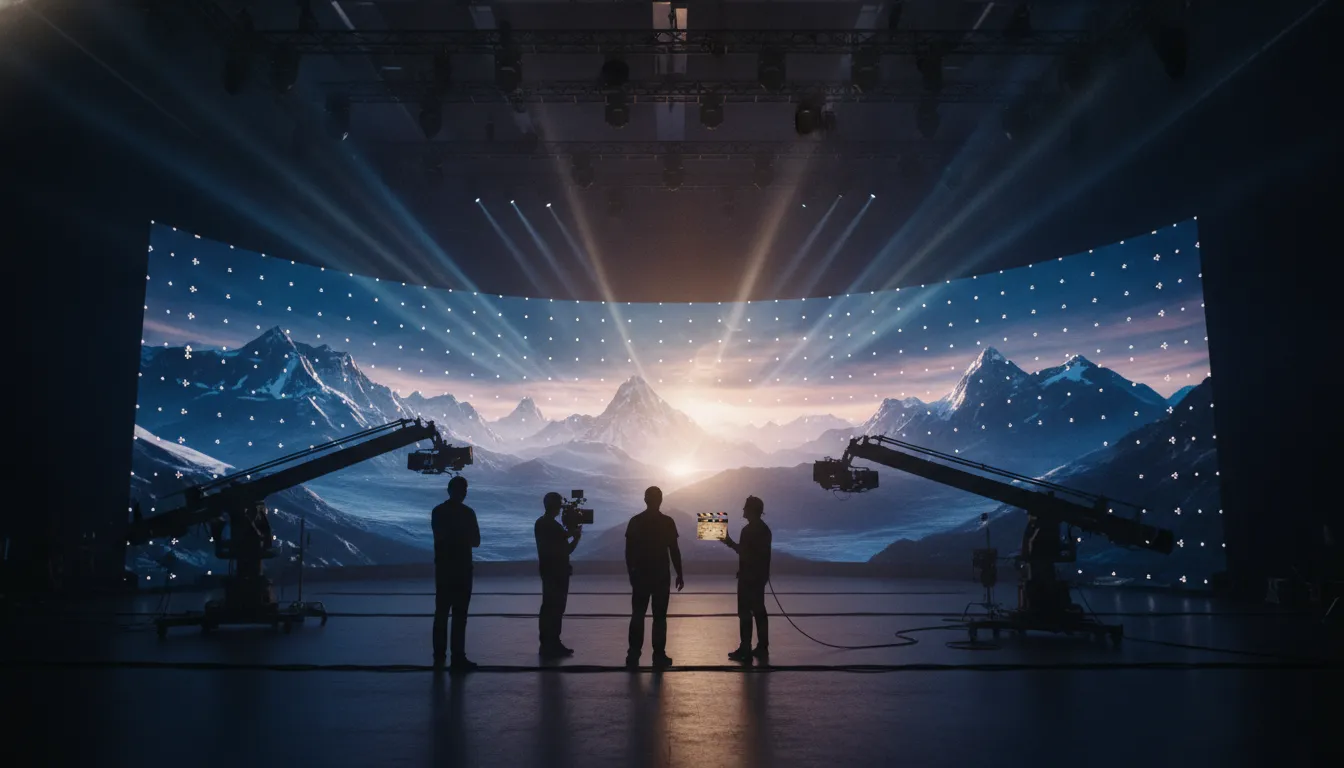

Inside Virtual Production Studios: The LED Volume
Green screens are fading from film sets as real-time digital backgrounds take their place. This shift lets production teams capture final visual effects in camera on day one.
Schedule a virtual production consultation today
Virtual production studios are specialized physical facilities that use real-time game engines and LED walls to merge physical and digital filmmaking directly on set. By projecting photorealistic 3D backgrounds behind live actors and synchronizing them with physical cameras, these stages provide natural depth and realistic lighting. This process shifts visual effects from post-production to pre-production, giving creative production teams immediate control over backgrounds, camera lenses, and virtual lights. For entertainment intellectual property holders, this modern approach simplifies transmedia expansion by making digital assets reusable across games, film, and television ecosystems. Academic data from NYU Tisch shows these facilities represent the future of integrated entertainment, allowing creators to build larger worlds more efficiently.
As more creators look to build interconnected entertainment ecosystems, understanding this technology is essential. We will explore how physical stages and digital art departments come together, starting with What Is a Virtual Production Studio and Why Are Productions Adopting It? The path begins with:
What Is a Virtual Production Studio and Why Are Productions Adopting It?
A virtual production studio merges real sets with digital worlds. Inside these spaces, crews use real-time game engines to build highly realistic backgrounds. These 3D scenes are shown on large LED screens behind the actors. By mixing these tools, teams can shoot physical props and digital backgrounds at the same time. According to the NYU Tisch virtual production FAQ, this process merges real and digital assets to build deep worlds. You can see how this works in practice through the virtual production at Narwhal Studios. Their team uses these tools to help crews plan, build, and shoot scenes in one shared space.
In the past, actors had to stand in front of massive green screens. They had to imagine their settings and lighting. This made it hard for them to give great performances. Virtual production studios solve this by letting actors see the exact world they are in. The LED walls cast real, interactive light onto the actors and the physical stage, making the entire scene look seamless.
The shift from post to pre-production
Older films create most visual effects long after the cameras stop rolling. But virtual production studios turn this old pipeline on its head. Now, artists build digital worlds and visual effects before the shoot even starts. According to the National Film Institute, visual effects are no longer just added during post-production. By designing sets early, teams can find and fix visual issues before they get to the stage. This shift helps directors and artists make key creative choices during pre-production.
This new method gives the crew more control over the set. The director and camera crew can adjust the lighting and move objects in the digital world right away. They do not have to wait for a post-production team to make these changes weeks later. Instead, they can work together and see the results on the screen in real-time.
When visual effects move to the front of the timeline, it saves time and money. Crews do not have to wait for months of post-production work to see if a shot looks right. Instead, they get real-time feedback right on the stage, which keeps the project on track.
A growing market for real-time filmmaking
The use of virtual production studios is growing fast across the globe. Industry reports show that this market is growing at a rate of 16.38% each year. It is on track to reach a value of 6.75 billion dollars by 2030. This growth is not just a passing trend. Today, more than 60% of major studios are using in-camera visual effects in their workflows.
This shift is happening because studios want to reduce the risks of long shoot schedules. By using real-time game engines, crews can capture finished shots on the first day of filming. This process lowers travel costs and reduces the need for costly reshoots later. As a result, virtual stages are quickly becoming the new industry standard for high-end content creation.
Many big brands want to expand their intellectual property. They need partners who can connect games, film, and television into one cohesive ecosystem, pairing LED-stage production with game development. By using these new studios, producers can create richer stories and engage audiences on many screens at once.
Inside the Physical Facility: The LED Volume Stage
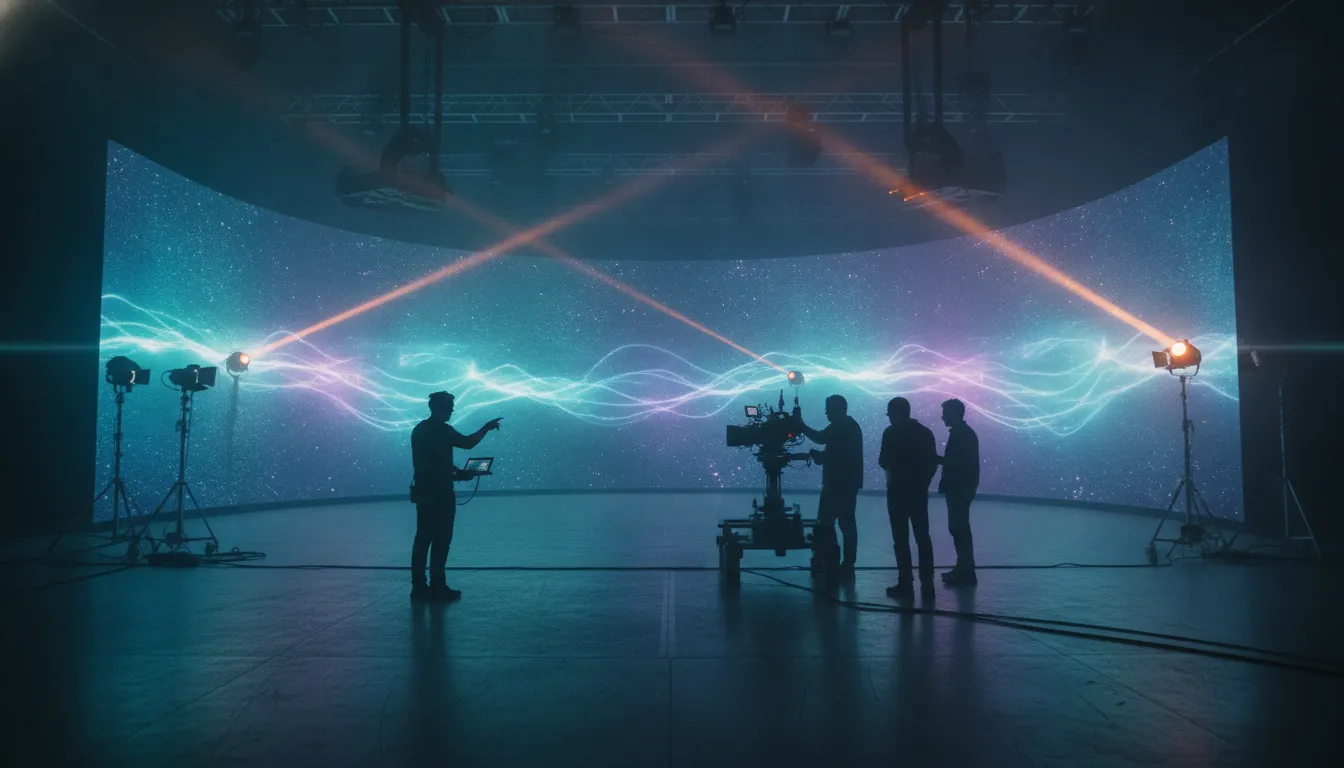
The physical footprint of today's virtual production studios takes deep planning and space. Old sound stages use green screens that teams paint or hang. But now, modern spaces use custom setups with massive LED walls. As shown in film school research, these setups show real-time backgrounds right behind the actors and props.
To hold these setups, physical spaces need a large footprint. Leading school spaces, like the Tisch School of the Arts virtual production facility in Brooklyn, use over 45,000 square feet. This vast scale gives the space needed for crew members, massive screens, and physical sets. Other setups can be smaller but still need a big area. For instance, the custom studio by 80six covers 11,743 square feet to house its custom LED stages and tracking gear.
Facility scale and layout
A virtual stage is not just a room with a screen. It is a deeply connected space. The studio must hold the physical sets, actors, and lights. It must also have room for the crew and their gear. The layout must let the cameras move freely. This means the ceiling must be high enough to clear the lights and the tracking system.
In these spaces, crews build real sets that blend into the screen. The physical props on the floor match the digital art on the wall. This creates a smooth look. The lighting from the LED wall shines on the actors. This gives natural reflections that match the digital scene.
LED volume screen specifications
The core of the studio is the LED volume. This is a massive wall of LED panels. The panels curve to wrap around the stage. This curve helps to create a more real background. The scale of these walls can be huge. For example, Pier59 Studios uses a 65-foot curved LED screen. This screen has over 25 million pixels and shows more than 25 billion colors.
The screen works with a tilting LED ceiling. It also uses mobile wild walls. Teams move these walls around the stage to add reflections or block light. The panels must have a fine pixel pitch. This pitch is the distance between the pixels. A fine pitch, like 1.9mm or 2.6mm, keeps the image sharp. This stops the camera from seeing single pixels when shooting close-up shots.
Camera tracking and sync
To make the background look real, the camera must sync with the screen. This is where camera tracking comes in. The tracking system finds where the camera is in the room. It sends this data to the game engine. The engine then draws the background from the camera's view.
This tracking must be exact. It must change in real-time. If the camera moves, the background must move with it. This creates the depth of view. The camera and the screen must also be in sync. This stops flickering or lines on the image. This tech lets the team capture visual effects in-camera, which cuts the need for later work.
Arctic7's Narwhal Studios is a prime example of how these systems work in a real space. The studio uses high-end screens and camera sync tech to build deep scenes. This lets crews blend live actors with digital art in real-time. By using these physical setups, productions can plan and film complex scenes in a safe space.
The Real-Time Render Team: The Engine Room of a Virtual Production Studio
On a standard film crew, visual effects are made after the shoot is done. At modern virtual production studios, this work shifts to the live set. The real-time render team runs the digital world. They make sure that what the camera sees on the stage matches the virtual background. This group of artists and tech experts acts as the engine of the shoot.
Camera and engine sync
To build a lifelike world, the camera on set must connect to a 3D game engine. These engines act as the core tech that drives real-time backgrounds on the LED walls. In virtual production, cameras are synchronized with the 3D game engines to provide a realistic depth of view. When the camera moves, the background moves with it to keep the perspective true.
This sync relies on tracking sensors placed on the camera rig. As the camera pans or tilts, the render team tracks the data feed. If the system lags, the illusion breaks. The stage crew keeps the delay below a single frame, so the cast and crew can work without pause.
Lighting and lens control on stage
The render team also gives the cinematographer direct control over the digital space. On a standard set, changing the light or background takes hours. Here, the team can change the time of day, adjust the sun's position, or move a mountain with a few clicks. They can match the digital light to the physical lights on the stage in seconds.
Using the game engine, cinematographers can adjust virtual lenses and lights from a simple menu on set. This alters the old workflow by making changes instant. The director can see the final shot on a monitor as they film. This real-time feedback saves weeks of post-production work and prevents costly mistakes.
The daily shoot flow
A typical shoot day on the LED stage is a dance between the physical crew and the digital team. Before the actors arrive, the render crew loads the digital scenes. They test the camera tracking and check the color of the LED panels. Once the cameras roll, the team sits at the brain-bar, adjusting the virtual world for every new angle.
If the director wants a different sky or needs to shift a building to the left, the team does it on the fly. There is no need to wait for post-production or reschedule a shoot. This fluid process keeps the creative energy high. It shows how the use of real-time software on set has changed the pace of modern filmmaking, a shift you can trace in our breakdown of the virtual production workflow in filmmaking.
The Virtual Art Department: The Creative Roles That Build the Digital Set
The Virtual Art Department, or VAD, serves as a bridge between physical set design and digital asset creation. In modern virtual production studios, the VAD designs and builds the 3D environments that appear on the LED screens. This unique virtual production workflow brings visual effects into the pre-production phase. Key team members plan and create digital environments long before cameras start to roll. This early planning helps the director and director of photography make major creative decisions early in the process.
Key VAD creative roles
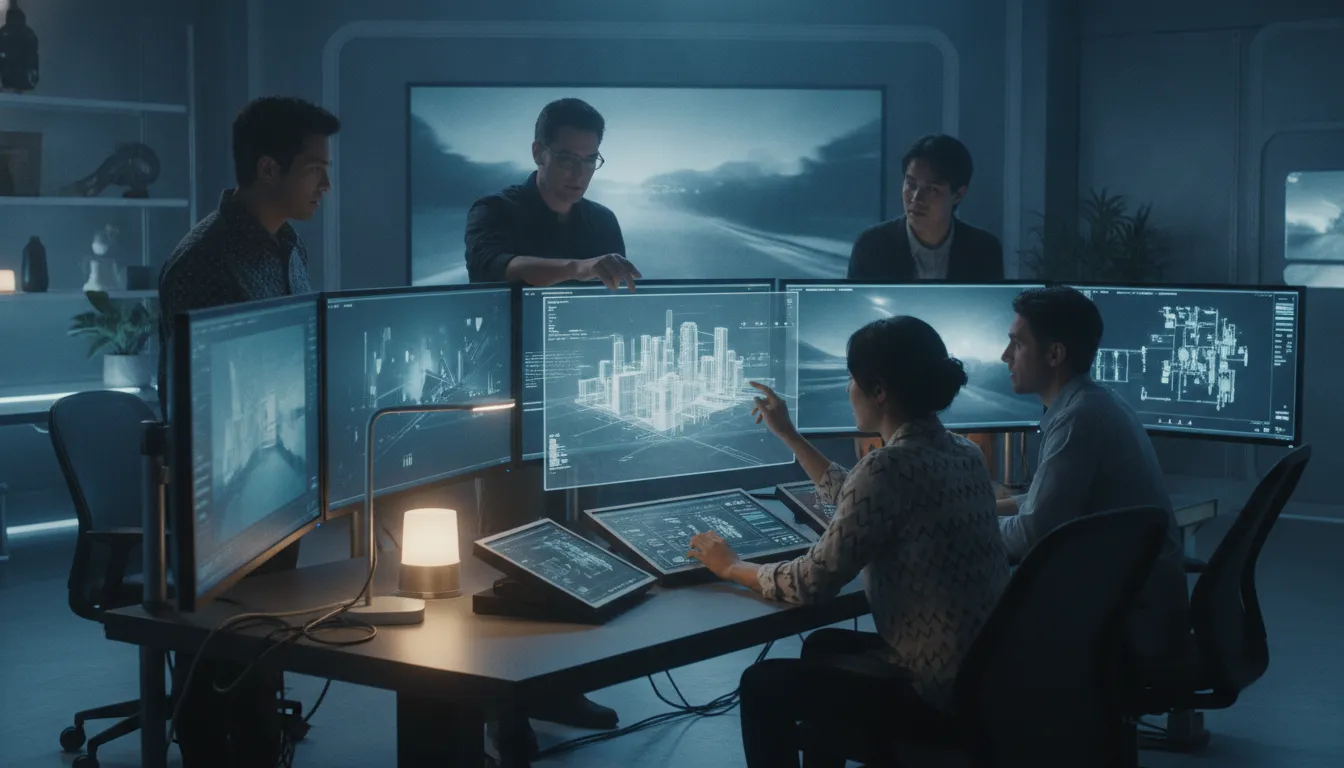
The VAD employs a group of skilled experts to build the digital set. Real-time rendering artists construct 3D environments using game engines. VAD artists and technicians focus on set extensions, which seamlessly blend physical props with digital backgrounds. Virtual scouts use virtual reality headsets to explore digital sets. This allows the creative team to find the best camera angles and lighting setups before building any physical sets.
These roles must work closely with the physical art department. The VAD matches the colors and textures of physical props with the digital assets. This close match makes the digital set look like a real extension of the physical stage. When done well, the viewer cannot tell where the physical floor ends and the digital world begins.
The virtual design workflow
The VAD follows a structured pipeline to build digital assets that are ready for the LED stage. This process ensures that the 3D sets match the artistic vision of the director while remaining technically sound. For a deeper look at the payoff, see the key benefits of VAD in virtual production.
- Concept art translation: Artists turn 2D drawings into rough 3D shapes to check the scale of the set.
- Virtual scouting: The director and camera crew walk through the rough 3D set in virtual reality to plan shots.
- Asset detailing: Artists add textures, realistic lighting, and small details to the digital environments.
- Technical testing: Technicians test the 3D sets in the game engine to ensure they render smoothly at high frame rates.
- Stage handoff: The final 3D files are loaded onto the LED volume screens for live-action filming.
Case study of a major production
A great example of this workflow is the Ant-Man and the Wasp: Quantumania case study. Narwhal Studios used a team of 15 VAD artists to design eight hero sets. During prep, the crew did more than 200 virtual stage walks to explore the worlds. They also held 45 virtual scouts to test camera angles and set layouts. This thorough planning allowed the team to solve creative problems before anyone stepped onto the physical stage.
Using virtual scouts and digital stage walks saved both time and money. The filmmakers could make changes to the 3D environments in real time. They did not have to wait for physical sets to be rebuilt or painted. This case study shows how modern virtual art departments help productions stay on budget while expanding creative freedom.
What Deliverables Does a Virtual Production Studio Provide?
In-camera effects and interactive lighting
When you work with virtual production studios, you get a set of real assets that change how you make film and TV. The main output you get is the in-camera visual effects (ICVFX) plate. With ICVFX, teams film final background shots directly in the camera. This cuts the need for green screens and lowers costs in the post-production phase. Instead of adding digital sets months after shooting, you capture the final look on the day.
Along with the plates, you receive interactively lit shots. The large LED walls display the backgrounds and project real-time light onto the physical actors and set props. This ambient light creates realistic reflections and shadows on reflective surfaces. In contrast to green screens, you do not need to fix lighting spills or fake shadows later. This light changes instantly if you modify the digital backdrop.
Real-time previz and virtual scouting
A second key output is real-time previz. This file allows directors and designers to run virtual scouts on digital sets. They can walk through these sets in virtual space before building a physical stage. This lets the crew plan shot lists and test camera angles early. These walk-through sessions help teams spot design flaws before they become costly physical mistakes.
During the scout and shoot, the studio gives you camera tracking data. The physical cameras are synced with real-time 3D game engines to update the backgrounds as the camera moves. This sync creates a realistic depth of perspective on the screens. Cinematographers can adjust lighting, lenses, and digital background assets on the fly. You receive a complete log of these settings for every single take.
Reusable digital sets and asset planning
The virtual stage also delivers high-quality 3D assets that you can reuse later. These digital sets and characters do not have to sit on a hard drive after the film wraps. Instead, you can take these exact 3D models and use them to build video games, virtual reality apps, or promotional tools. This approach helps IP holders build a broad entertainment ecosystem that reaches fans on many platforms. You save time because you only build the digital set once.
To give you these assets smoothly, a partner like Arctic7 uses a three-stage transmedia production methodology. First, we run readiness auditing to check your team's needs and tools. Second, we use strategic planning to organize the digital sets and workflow. Third, we guide you through full-scale production. This structured workflow helps you get top assets from virtual production studios without wasting time or money. You get a clear path from start to finish.
How to Choose a Virtual Production Studio for Your Project
Choosing the right partner is the key step for your next project. Leading virtual production studios do more than offer space and gear. They act as partners who bridge the gap between live filming and digital design. To get the best results, you must look past simple LED stages and find deep workflow skill, which means understanding how the whole virtual production pipeline works.
Track record and transmedia fit
When you check virtual production studios, look first at their past work. A strong studio needs proven skill with in-camera visual effects (ICVFX) on major franchises. For example, Narwhal Studios sets the industry benchmark, having completed six ICVFX Star Wars projects since 2015. They also worked with Marvel Studios and use a full transmedia approach to help IP holders expand their worlds across games, film, and TV.
You also need a team that knows how to connect these different worlds. A partner with a deep background in game design can build assets that work across multiple platforms. This transmedia connection ensures your digital sets are not just static backdrops. They become live assets for future games, TV shows, or other projects to keep your IP consistent across all media.
VAD depth and render capacity
Next, check the Virtual Art Department (VAD) depth of the stage. The VAD is the core of the workflow, preparing digital sets before cameras roll. According to the Nashville Film Institute, backgrounds once made in post-production are now built during pre-production. Without a strong VAD team, a studio is just an empty LED stage with no creative support.
Ensure the studio has real-time render artists and technicians who can adjust sets on the fly. The render engines must run fast enough to sync with cameras instantly. This setup lets camera teams control lighting and lenses in real time, making changes in seconds. A strong studio will offer interactive lighting and quick creative feedback to keep your shoot on track.
| Feature | Full-Service Transmedia Studio | Facility-Only LED Stage |
|---|---|---|
| VAD Leadership | Full design team builds assets during pre-production. | No internal design team; you must bring all assets. |
| Render Capacity | Real-time artists adjust lighting and sets on the fly. | Basic playback without real-time design support. |
| Track Record | Proven work on major Star Wars and Marvel projects. | Limited to commercial shoots or music videos. |
| Transmedia Fit | Assets are built to work in games, film, and TV. | Backgrounds are locked to a single video format. |
Choosing a full-service studio helps you avoid costly delays on set. By testing sets early, you ensure your team can focus on acting and storytelling. Partnering with a studio that has deep VAD roots is the best way to secure your project's success.
Ready to plan your next virtual production? Talk to Arctic7 today
Frequently Asked Questions
What is the difference between green screen and virtual production studios?
Green screens force actors to work in empty green spaces, leaving all visual effects for later. In contrast, virtual production studios display realistic 3D sets on giant LED walls in real-time. According to the Nashville Film Institute, this shifts visual effects from post-production to pre-production. This change gives directors instant feedback on lighting and acting while reducing editing costs.
How does an LED volume work in a virtual production studio?
An LED volume uses huge walls of LED screens to show 3D sets behind actors. As the live camera moves, the virtual camera inside the 3D game engine moves with it. According to the Nashville Film Institute, the camera and game engine sync to provide a real sense of depth. This makes the background look lifelike from any angle.
Are virtual production studios only for large budget films?
No, while major studios use them for big films, virtual production now helps mid-sized projects too. Teams use virtual sets to shoot in many places on a single stage without traveling. According to NYU Tisch, even film students use these tools to build deep worlds on a budget. This makes high-end filming easier for smaller teams.
How much does it cost to rent a virtual production studio?
Costs vary widely based on the size of the LED stage and the crew you need. Small stages can cost a few thousand dollars a day, while large studios cost much more. However, these workflows reduce the need for physical sets and travel. According to the Nashville Film Institute, they save money by shifting visual effects from post-production to pre-production.
Ready to partner with Arctic7 on your next virtual production?
If you delay your next shoot, you risk facing rising studio costs, missed release dates, and long post-production delays that can stall your entire project. Starting your digital design phase today allows your creative team to build and test your virtual worlds before any cameras begin to roll on set. This early setup work gives you complete control over your lighting and backgrounds, ensuring a smooth shoot and a rapid path to the final cut.
Talk to Arctic7 today and de-risk your next virtual production shoot
We can help you plan your digital sets, manage your LED volume needs, and streamline your entire shoot from early prep to final delivery.
New Immersive & XR Media Capabilities Added to Arctic7's Suite of Games, Film & TV and Digital Services

Arctic7 Shares Details of its Work on Skeleton Crew and Cinematics Partnership with Fateless

The Human Touch: Adding Personality to Project and Product Management
Whether it’s your team, your client, or your stakeholders, understanding the human dynamics is just as critical as hitting milestones.

McDonald's Case Study: Bridging Brand and Play | Arctic7
Bridging Brand and Play: An Interview with Lindsay Blenkhorn Daggitt