4 Key Benefits of VAD in Virtual Production
For intellectual property holders and studios, building a world is just the beginning. The real goal is to create a sustainable universe that can live across films, games, and series. A Virtual Art Department (VAD) is the engine for this kind of long-term world-building. By creating high-fidelity digital assets in pre-production, you’re not just planning for one film; you’re building a reusable library for your entire franchise. This front-loaded approach is one of the most significant benefits of VAD in virtual production, as it streamlines workflows and creates massive efficiencies down the line. Here, we’ll break down how a VAD saves you money, reduces physical production constraints, and helps you build a lasting, interconnected entertainment ecosystem.
Key Takeaways
- Make smarter creative decisions earlier: A Virtual Art Department allows you to build, test, and refine your world in pre-production. This lets you solve creative and logistical problems in a flexible digital space, preventing expensive surprises and delays once you're on set.
- Create a single source of truth for your team: By working in a shared, real-time environment, a VAD ensures your director, cinematographer, and designers are all aligned on the same vision. This unified approach breaks down departmental silos and leads to a more cohesive and imaginative final product.
- Plan for a new workflow, not just new tools: Successfully adopting a VAD is a strategic shift that requires investing in talent with both artistic and technical skills. It's about integrating this department into your entire production pipeline to make the whole process more efficient.
What is a Virtual Art Department?
Think of a Virtual Art Department (VAD) as the digital-first evolution of a traditional film art department. It’s the team that designs and builds the stunning worlds you see on screen, but they do it in a virtual space long before any physical sets are constructed. This shift is at the heart of virtual production, a method that gives creative teams incredible flexibility and efficiency. The VAD lays the visual foundation for a project, using powerful software to create, test, and refine environments.
This team is responsible for everything from sprawling sci-fi cityscapes to the smallest digital prop on a table. They are the architects of the virtual world, ensuring every element aligns perfectly with the director's vision. The VAD acts as a collaborative hub where artistic creativity meets cutting-edge technology, bridging the gap between a rough concept and the final, polished image you see on screen. It’s a fundamental part of modern transmedia storytelling that allows for more dynamic and immersive world-building.
Defining the VAD's Role in Modern Filmmaking
The VAD’s core function is to design and create all the digital elements a film needs. This includes planning shot layouts, developing the visual style, and building digital assets like virtual sets, props, vehicles, and characters. They work in close collaboration with the director, cinematographer, and production designer to make sure the digital world feels cohesive and serves the story. By managing the digital side of the art department, the VAD ensures that every virtual element integrates seamlessly with the live-action components, making them an essential creative partner from the earliest stages of pre-production.
How VAD Fits into the Virtual Production Workflow
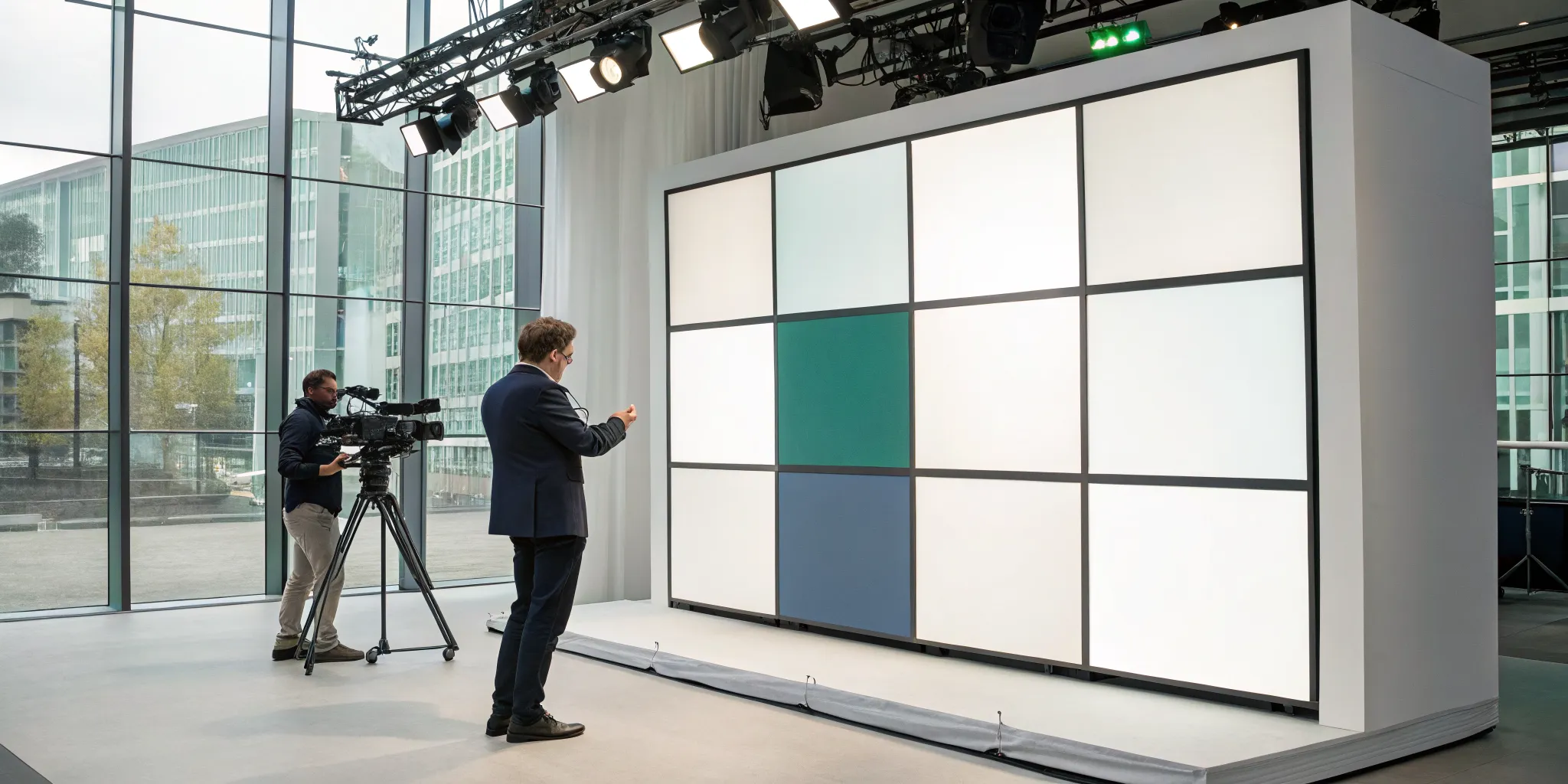
The VAD is the engine room of the virtual production pipeline. This team builds entire virtual worlds inside real-time game engines like Unreal Engine, creating interactive environments that filmmakers can explore and modify on the fly. The true power of this workflow is how it blends the VAD’s digital creations with physical sets and actors. Often, these virtual environments are displayed on massive LED walls behind the actors, creating an immersive backdrop that reacts to the camera’s movement in real time. This technique, used in major productions like Marvel Studios' Ant-Man and the Wasp: Quantumania, helps create a final image so seamless that the audience can’t tell where the real world ends and the digital one begins.
How VAD Transforms Pre-Production
Pre-production used to be a world of sketches, storyboards, and physical models. While those tools are still valuable, the Virtual Art Department (VAD) brings them to life in a dynamic, interactive way. Instead of just imagining a world, you get to build and explore a digital version of it before you even think about rolling a camera. This shift fundamentally changes how creative decisions are made, turning pre-production into a hands-on workshop for innovation.
The VAD acts as the digital architect for your entire project. It takes concept art and scripts and translates them into fully realized 3D environments. This allows your entire team, from the director to the gaffer, to understand the creative vision with perfect clarity. You can walk through virtual sets, test camera movements, and experiment with lighting in real time. This process isn't just about visualization; it's about problem-solving. By identifying creative and logistical challenges early, you can refine your approach, save resources, and head into principal photography with a solid, tested plan. It’s about moving the heavy lifting of world-building and shot design into a flexible, digital space where iteration is fast and inexpensive.
Visualize and Design Shots in 3D
The VAD turns flat designs into interactive 3D models. This means the director and production team can see exactly how a shot will look long before filming starts. You can explore camera angles, test lenses, and block scenes within a virtual environment that mirrors what you'll see on set. This process moves beyond guesswork, giving you a precise preview of the final frame. It allows for more intentional and creative cinematography, as you can design complex shots with confidence, knowing they will work technically and aesthetically.
Streamline Asset Creation and Management
The VAD is the command center for every digital element in your film. It’s where the team decides which parts of a set will be physical and which will be digital. Artists use powerful real-time engines and VR tools to build, test, and refine every asset, from a hero prop to a sprawling cityscape. This creates a single, organized library of production-ready assets that can be used on the LED stage and later by the VFX team. This unified approach prevents inconsistencies and ensures every department is working with the same approved elements from day one.
Iterate on Designs and Spot Problems in Real Time
One of the biggest advantages of a VAD is the ability to make changes on the fly. Want to see how a scene looks at sunset instead of noon? You can change the lighting instantly. Need to move a wall to get a better camera angle? It happens in seconds. This real-time iteration gives the cinematographer true control over the final look of the image, letting them see how bright, dark, or warm it is, all live in the engine. This detailed planning helps all departments work together smoothly, providing a clear blueprint that prevents costly surprises during production.
How Does VAD Improve Team Collaboration?
One of the most significant impacts of a Virtual Art Department is how it transforms teamwork. Production traditionally follows a linear path, with creative assets handed off from one siloed department to the next. A VAD breaks down those walls, creating a collaborative, real-time environment where everyone works together from the start. This shift is crucial for keeping complex, multi-platform projects aligned and moving forward smoothly.
Connects Creative and Technical Teams
Think of the VAD as the central hub connecting your project's creative heart with its technical brain. It acts as a bridge between the traditional art department and the digital wizards in previs and VFX. Instead of concept art being interpreted separately by different teams, the VAD translates those ideas directly into interactive 3D environments. This means production designers, cinematographers, and VFX artists are all speaking the same visual language. This close collaboration ensures the digital worlds integrate seamlessly with the director's vision, preventing the costly "lost in translation" moments that can derail a production.
Creates a Single, Unified Vision
With a VAD, the entire team shares a single source of truth. Instead of relying on static storyboards and concept sketches that can be interpreted differently, everyone works within the same dynamic, real-time world. The director can walk through a digital set with the production designer, making adjustments on the fly that are instantly visible to the whole team. This process ensures every stakeholder, from the IP holder to the VFX supervisor, is aligned on the final look and feel. This unified approach was essential for our work on projects like Marvel Studios' Ant-Man and The Wasp: Quantumania, where maintaining a cohesive vision across fantastical worlds was key.
Improves Communication for Directors and DPs
For directors and directors of photography (DPs), the VAD offers a powerful new way to communicate their vision. They can scout virtual locations, test camera lenses, block scenes, and experiment with lighting before a single physical set piece is built. This hands-on approach makes creative conversations more concrete and efficient. Rather than describing a shot, they can simply create it in the virtual space. This ability to visualize and refine shots in real time, using virtual production tools within the game engine, leads to more confident decision-making and a stronger, more intentional final product.
How VAD Gives Filmmakers More Creative Freedom
A Virtual Art Department does more than just streamline your workflow; it fundamentally changes the creative conversation. Instead of being limited by physical constraints, budget, or location availability, VAD opens the door to pure imagination. It shifts the focus from what’s possible to what’s imaginable, giving directors, cinematographers, and designers the tools to build and refine their vision without compromise. This approach puts creative control back where it belongs: in the hands of the storytellers.
Experiment with Creative Ideas Instantly
In a traditional production, testing a new idea for a shot can be a slow process involving updated storyboards or concept art. With a VAD, you can explore those creative impulses on the spot. Want to see how a scene looks from a different camera angle, at sunset instead of midday, or with a wall moved a few feet to the left? Your VAD can make those changes in real time. This allows for a more dynamic and iterative creative process, where you can get immediate feedback, refine your shots, and make bold decisions with confidence long before you ever step onto a physical set.
Build Any Location You Can Imagine
Whether your story is set on a distant alien planet or in a historically accurate ancient city, a VAD can bring it to life. You are no longer bound by what you can physically build or find. The VAD allows you to design and construct any environment imaginable, blending digital sets with practical elements to create a seamless, believable world. This capability is essential for projects like our work on Marvel Studios' Ant-Man and The Wasp: Quantumania, where creating the Quantum Realm required building a universe from scratch. A VAD gives you the power to decide what’s real and what’s digital, vastly expanding the creative possibilities for your story’s setting.
Help Actors Perform in Immersive Digital Sets
Acting against a green screen can be challenging, requiring performers to imagine their surroundings and co-stars. Virtual production changes that entirely. By displaying the digital environment on LED walls, actors can see and react to the world around them. This immersive experience helps ground their performances, making their interactions with the environment feel more natural and authentic. When actors can interact with the virtual environment and digital characters in real time, they can connect more deeply with the story, leading to stronger, more compelling performances that resonate with audiences.
How VAD Saves Time and Money
Beyond the incredible creative possibilities, one of the most compelling reasons to adopt a Virtual Art Department is the significant impact it has on your budget and timeline. Virtual production isn't just about making impossible shots possible; it's about making the entire filmmaking process smarter and more efficient. By shifting key decisions and asset creation to the pre-production phase, a VAD helps you catch potential issues early, streamline on-set operations, and reduce the heavy lift that traditionally falls on post-production. This front-loaded approach translates directly into savings, giving you more control over your resources and allowing you to allocate your budget toward what truly matters: the story.
Build a Reusable Digital Asset Library
Think of every digital element your VAD creates, from a character model to a sprawling cityscape, as a long-term investment. Once built, these high-quality digital assets can be stored in a library and repurposed across your entire intellectual property. That hero spaceship from your film can fly again in a video game, appear in marketing materials, or even show up in a sequel without needing to be rebuilt from scratch. This approach is fundamental to building a cohesive transmedia universe. Instead of one-off creations, you’re building a sustainable ecosystem of assets that adds value over time, saving immense amounts of money and effort on future projects.
Reduce Physical Set and Location Costs
Traditional productions spend a huge portion of their budget on physical logistics. Scouting remote locations, building elaborate sets, and managing travel for cast and crew all add up. Virtual production, powered by a VAD, minimizes these expenses by creating realistic and immersive environments digitally. You can shoot a scene on a Martian landscape in the morning and a bustling cyberpunk city in the afternoon, all from the same soundstage. This not only cuts down on costs associated with construction and travel but also gives you complete control over your environment, eliminating worries about weather or lighting changes and making your production far more predictable.
Speed Up Your Post-Production Workflow
One of the biggest shifts VAD introduces is moving much of the creative and technical work from post-production to pre-production. Traditionally, teams would shoot on a green screen and spend months afterward adding visual effects. With virtual production, many of those final visuals are captured in-camera. This shift gives cinematographers and directors more immediate control and precision over the final image while on set. As a result, the post-production phase becomes shorter and less complex, focusing more on refinement than foundational VFX work. This streamlined production pipeline means faster turnarounds and fewer costly surprises down the road.
What Tech Makes a Virtual Art Department Tick?
A Virtual Art Department doesn’t just happen; it’s powered by a sophisticated suite of creative technologies. This digital toolkit is what allows artists and filmmakers to build, explore, and refine entire worlds before a single frame is shot. Think of it as the ultimate digital backlot, where the only limit is your imagination. At the heart of it all are a few key pieces of software and hardware that work together to make the magic happen, transforming pre-production from a series of static storyboards into a dynamic, interactive process.
Real-Time Engines like Unreal
The engine room of any VAD is a real-time game engine, with Unreal Engine being the industry standard. These platforms are designed to render complex 3D graphics instantly, which is a massive shift from the traditional, time-consuming rendering process. For the Fallout TV show, the VAD built all virtual sets entirely inside Unreal Engine, allowing the filmmakers to use its real-time rendering capabilities to enhance the creative process. This means directors and cinematographers can make changes to lighting, textures, and set dressing on the fly and see the results immediately, fostering a more fluid and experimental creative environment.
VR and Motion Capture Tools
To make digital worlds feel tangible, VADs rely on immersive tools like virtual reality (VR) and motion capture (mocap). These technologies bridge the gap between the digital and physical realms. During pre-production, filmmakers can use VR headsets to step directly into a virtual set, scouting locations and blocking scenes as if they were there in person. This spatial understanding is invaluable for planning camera movements and compositions. Motion capture tools add another layer, allowing teams to pre-visualize actor performances and complex action sequences within the digital environment, ensuring every element works together seamlessly before the shoot begins.
3D Modeling and Virtual Lighting Software
The actual assets that make up a virtual world, from the smallest prop to the largest landscape, are created using advanced 3D modeling software. Artists use programs like Maya, Blender, and ZBrush to sculpt and build every detail with photorealistic precision. Once the assets are built, virtual lighting software becomes essential for enhancing the visual storytelling. As the team at Industrial Light & Magic explains, these tools allow artists to create and explore virtual sets with incredible control. They can replicate the subtle nuances of natural light or design complex, stylized lighting schemes that define a scene's mood and tone, all within the digital environment.
What to Consider Before Adopting VAD
Jumping into a Virtual Art Department is an exciting prospect, but it’s a strategic move that requires a solid game plan. While VAD offers incredible creative and financial benefits, a successful transition depends on having the right people, processes, and technology in place. Before you make the switch, it’s important to think through a few key areas to ensure your production is set up for success from day one. Here’s what you should focus on.
Finding the Right Technical Talent and Training
Your VAD is only as strong as the artists and technicians behind it. This means finding hybrid talent: people who are not only masters of real-time software like Unreal Engine but who also deeply understand the language of filmmaking. These roles require a unique blend of creative vision and technical skill. You’ll need artists who can build photorealistic worlds and technicians who can manage complex data pipelines. Investing in training for your current team or partnering with an experienced team that already has this expertise is crucial for getting the most out of your virtual production workflow.
Integrating VAD with Traditional Workflows
A VAD doesn’t operate in a silo. For a seamless transition, it needs to be woven into your existing production pipeline, acting as a central hub for visual development. This department must work in close collaboration with the director, cinematographer, production designer, and VFX supervisor to maintain a single, cohesive vision. Establishing clear communication channels and workflows ensures that the digital assets created in pre-production translate perfectly to the virtual stage and final shot. The goal is to enhance traditional filmmaking, not replace it, by creating a more connected and efficient process for everyone involved.
Budgeting for New Tech and Infrastructure
Let’s talk budget. Adopting VAD does require an initial investment in new technology and infrastructure, including powerful hardware, software licenses, and potentially LED volumes. When planning your budget, it’s essential to account for these costs. However, think of it as a long-term investment that pays off. Productions like The Book of Boba Fett have shown that using Unreal Engine-based VAD processes can significantly improve production quality and efficiency. These upfront costs often lead to major savings down the line by reducing the need for physical set construction and location shoots, as seen in our work on projects like Ant-Man and the Wasp: Quantumania.
Related Articles
- What is a Virtual Art Department & Why You Need One
- Why Your Next Project Needs a Virtual Art Department
- Virtual Art Department Services: A Full Breakdown
Frequently Asked Questions
How is a VAD different from a traditional art department? Think of it as a shift from designing on paper to building in a dynamic, digital space. A traditional art department creates sketches and physical models to guide production. A Virtual Art Department builds the entire world inside a real-time engine first, creating an interactive version of the set that the director and cinematographer can explore and use to plan shots long before filming begins. It’s less of a handoff and more of a collaborative workshop.
Is a VAD only useful for huge sci-fi or fantasy projects? Not at all. While VAD is perfect for creating otherworldly planets, its real strength is giving you complete control over your environment. This is incredibly valuable for historical dramas that need perfect period accuracy, or for any film that requires a location that’s inaccessible, expensive, or needs specific lighting conditions that are impossible to maintain. If you need to shoot a scene during a permanent sunset, a VAD can make that happen.
When is the right time to bring a VAD into my production process? The earlier, the better. The greatest benefits of a VAD are realized when the team is involved from the very beginning, even during script development. Bringing them in early allows them to build the world alongside the story, helping the director and writers visualize scenes and identify potential production challenges. This front-loaded approach makes the entire creative process smoother and more intentional.
Does a VAD replace the need for a physical production designer or art department? Absolutely not. A VAD is a powerful new toolset for the production designer and their team, not a replacement. It empowers them to execute their creative vision with greater precision and collaborate more effectively with the director and cinematographer. The production designer is still the creative lead; the VAD simply provides a digital sandbox for them to build, test, and perfect their ideas in.
Can the digital assets created by a VAD be used for more than just one film? Yes, and this is one of its most powerful advantages. Every digital set, prop, and character created by the VAD can be saved and repurposed for other projects within your intellectual property. That digital world can become the foundation for a video game, a virtual reality experience, or marketing materials. You're not just building assets for one production; you're building a sustainable digital library that adds value to your IP for years to come.
New Immersive & XR Media Capabilities Added to Arctic7's Suite of Games, Film & TV and Digital Services

Arctic7 Shares Details of its Work on Skeleton Crew and Cinematics Partnership with Fateless

The Human Touch: Adding Personality to Project and Product Management
Whether it’s your team, your client, or your stakeholders, understanding the human dynamics is just as critical as hitting milestones.

McDonald's Case Study: Bridging Brand and Play | Arctic7
Bridging Brand and Play: An Interview with Lindsay Blenkhorn Daggitt