
Virtual Art Department Services: A Full Breakdown
Your intellectual property is more than just a story; it’s a world. As you expand that world across film, television, and games, maintaining a cohesive and believable vision is your biggest challenge. A Virtual Art Department acts as the digital foundation for your entire universe. It’s where your environments, assets, and key visual elements are designed and built, creating a central source of truth that all your projects can draw from. This ensures consistency and allows for more ambitious storytelling across every platform. In this article, we’ll explore how virtual art department services help you build a lasting transmedia franchise, making your world feel real, no matter where your audience experiences it.
Key Takeaways
- Make Better Creative Decisions, Faster: By building and visualizing your world digitally before filming, a VAD lets you solve problems early, experiment with creative choices freely, and significantly cut down on physical set construction costs.
- Streamline Collaboration Across All Departments: A VAD acts as a central hub where your director, art department, and VFX team work from the same digital blueprint, eliminating guesswork and ensuring a cohesive final product.
- Find a Strategic Partner, Not Just a Vendor: The right VAD partner blends artistic talent with technical expertise and integrates seamlessly into your workflow, acting as a true extension of your creative team to bring your vision to life.
What is a Virtual Art Department (VAD)?
Think of a Virtual Art Department, or VAD, as the digital evolution of a traditional art department. Instead of building physical sets with wood and paint, a VAD is a team of digital artists and technicians who design and construct entire worlds inside a computer. They are the architects of the virtual environments you see in modern films, TV shows, and games. From the sprawling, otherworldly landscapes of a sci-fi epic to the meticulously detailed interior of a historical drama, the VAD builds these spaces from the ground up using 3D modeling, texturing, and lighting.
This team is a crucial part of the virtual production pipeline. They work hand-in-hand with directors, production designers, and cinematographers to translate a creative vision into a tangible, interactive digital set. The beauty of this approach is that it allows filmmakers to explore, experiment, and make key decisions about camera placement, lighting, and set design long before the cameras ever roll on a physical stage. This digital-first process not only opens up new creative possibilities but also streamlines the entire production workflow, making it more efficient and predictable.
How a VAD Works
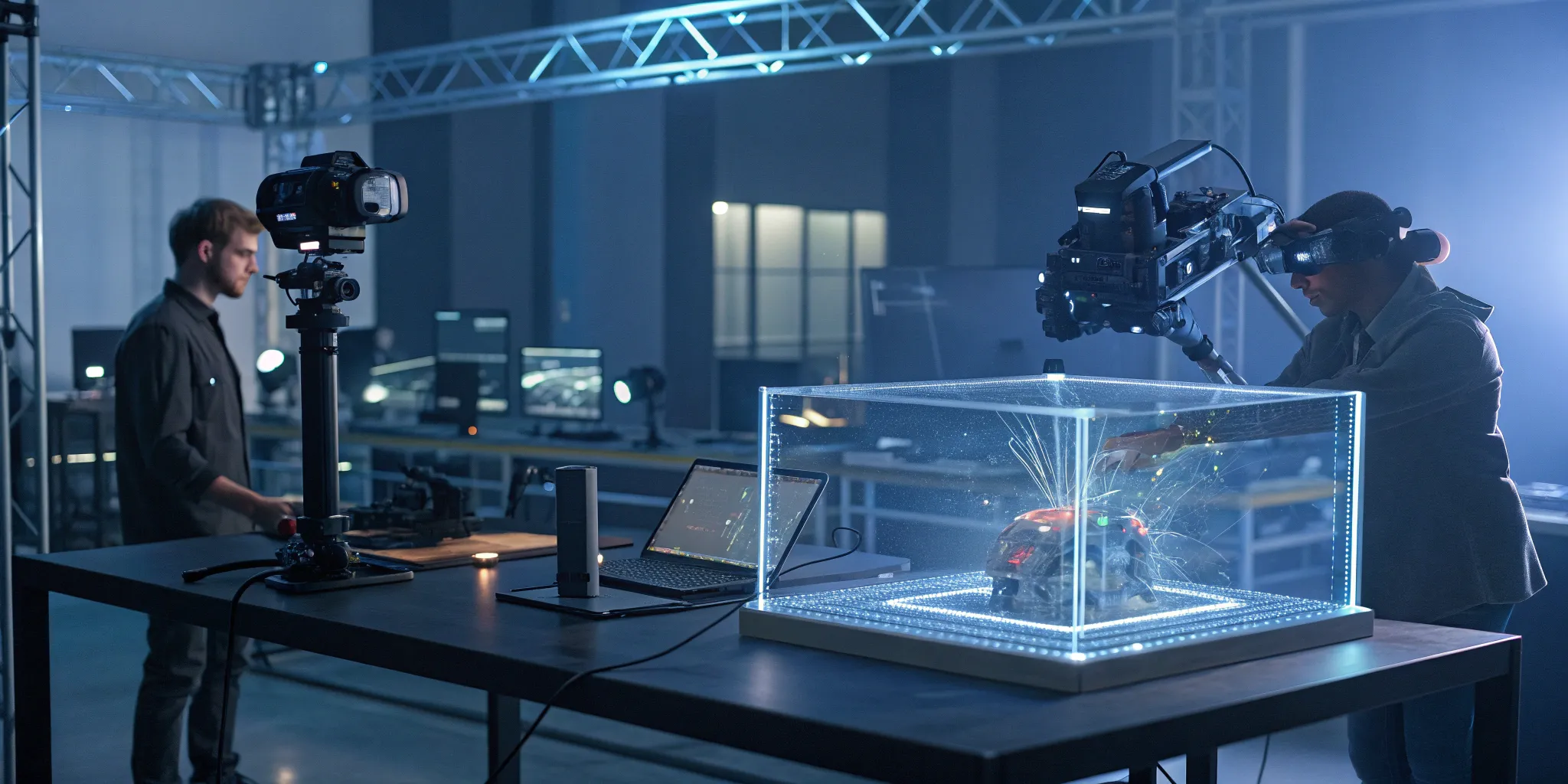
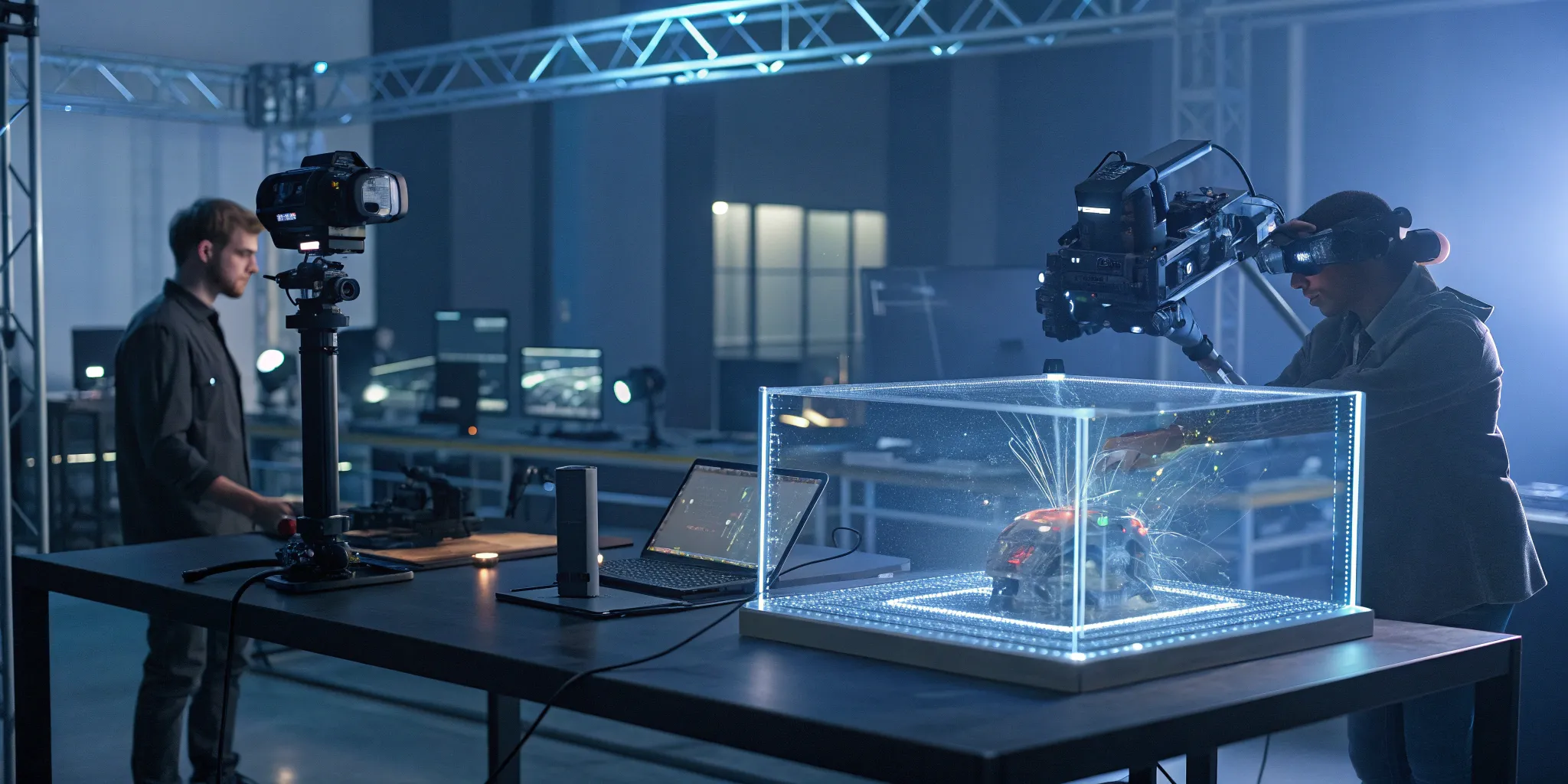
A VAD operates at the intersection of creative design and technical execution. The process begins with close collaboration between the VAD team and the project's key creatives, like the director and production designer. Together, they develop the look and feel of the digital environments. The VAD then builds these sets as interactive 3D models. This allows the director and cinematographer to scout locations virtually, walking through the digital space with VR headsets to plan shots and block scenes. This ability to visualize complex scenes ahead of time ensures that when it’s time to film, everyone is on the same page, making the on-set process incredibly smooth.
The Tech That Powers VAD
The magic of a VAD is fueled by powerful, real-time technology, primarily game engines like Unreal Engine. These platforms are the foundation for building photorealistic, interactive worlds that can be rendered instantly. This "real-time rendering" is a game-changer, as it allows creative teams to make changes to lighting, textures, or set dressing and see the results immediately. Beyond game engines, VADs use a suite of tools including virtual reality (VR) for immersive location scouting, augmented reality (AR) for overlaying digital elements onto a physical set, and motion capture for integrating digital characters and performances seamlessly into the virtual environment.
What Can a Virtual Art Department Do for You?
A Virtual Art Department (VAD) is your creative partner for building digital worlds. Think of it as the bridge between your initial concept and the final, stunning visuals on screen. Instead of relying solely on physical sets and post-production effects, a VAD uses powerful technology to design, build, and visualize digital elements from the earliest stages of development. This proactive approach gives you unprecedented control over your project's look and feel, allowing you to make critical creative decisions long before the cameras start rolling.
From crafting sprawling alien landscapes to rendering photorealistic digital props, a VAD’s work is seamlessly integrated into the production pipeline. It helps your entire team—from the director to the cinematographer—visualize complex scenes, plan camera movements, and experiment with lighting in a dynamic, real-time environment. By front-loading the artistic and technical planning, a VAD helps you solve problems early, refine your vision, and ultimately tell a more cohesive and immersive story. The range of virtual production services available can transform how you bring your IP to life, making ambitious ideas achievable and efficient.
Build 3D Environments and Virtual Sets
At its core, a VAD specializes in creating the worlds your stories inhabit. It designs and builds detailed 3D environments and virtual sets that can serve as digital backdrops or fully interactive settings for your film, show, or game. Whether you need a historically accurate city, a fantastical kingdom, or the inside of a futuristic spaceship, the VAD brings it to life with advanced computer graphics. These are not just static backgrounds; they are dynamic worlds that can be explored and filmed within, giving you the freedom to create locations that would be impossible or prohibitively expensive to build physically. This capability was essential in our work on projects like the Star Wars universe, where expansive and iconic worlds are central to the story.
Render and Visualize in Real-Time
One of the most powerful aspects of a VAD is its ability to render and visualize scenes in real-time. Using game engines like Unreal Engine, a VAD allows you to see a nearly final version of your shot as it’s happening. This means the director, actors, and crew can see the digital environment and visual effects live on set, reacting to them as if they were physically there. This immediate feedback loop eliminates the guesswork of traditional green screen workflows. You can adjust lighting, camera angles, and actor placement on the fly and see the results instantly, ensuring the final shot perfectly matches your creative intent without waiting weeks for post-production.
Create Digital Assets and Integrate Motion Capture
Beyond large-scale environments, a VAD is responsible for creating all the digital assets that populate your world. This includes everything from digital props, costumes, and vehicles to complex creatures and characters. The VAD works with your team to determine which elements will be physical and which will be digital, ensuring they blend together seamlessly. Furthermore, they can integrate motion capture data to bring digital characters to life with realistic performances. This level of detail in asset creation is crucial for building believable worlds, like the intricate Quantum Realm seen in our work with Marvel Studios, where countless digital elements had to feel tangible and real.
Develop Concepts and Pre-Visualizations
Before you even think about filming, a VAD helps you plan every single shot. Through concept art, storyboards, and detailed pre-visualization (previs), the VAD creates an animated blueprint of your project. This process allows you to experiment with different creative choices, block out complex action sequences, and solve technical challenges before they become costly on-set problems. Previs gives your entire crew a clear, shared vision of the final product, ensuring everyone is aligned and prepared. It’s an essential planning tool that saves time, reduces budget uncertainty, and gives you the confidence to execute even the most ambitious creative ideas.
Why Use a Virtual Art Department?
So, what’s the real-world payoff of bringing a Virtual Art Department onto your project? Beyond the impressive technology, a VAD offers tangible benefits that can completely reshape your production process for the better. It’s about working smarter, not just harder, to bring your vision to life. By integrating digital world-building from the earliest stages, you can make more informed decisions, catch potential issues before they become expensive problems, and give your creative team the tools they need to do their best work.
Think of it as a strategic partner that helps you build more expansive worlds with greater efficiency and creative control. From saving on physical construction to streamlining collaboration across departments, a VAD is designed to make your production more agile and impactful. This approach is central to our virtual production services, where we help IP holders translate their stories into stunning visual experiences. Let’s break down the four biggest advantages.
Save Money by Building Less
One of the most immediate benefits of a VAD is its impact on your budget. Instead of building massive, intricate physical sets for every scene, you can create stunning, photorealistic environments digitally. A VAD helps you meticulously plan what needs to be a practical set piece and what can exist entirely in the virtual realm. This strategic approach drastically cuts down on costs for materials, construction labor, and storage. By building less, you free up resources that can be reallocated to other critical areas of your production, like securing top talent or investing more in post-production polish.
Get More Creative Flexibility
A VAD gives your creative team an incredible sandbox to play in. Directors and cinematographers can experiment with different lighting, camera angles, and set designs in real-time without the physical limitations of a traditional soundstage. Want to see how a scene looks during a golden-hour sunset versus a stormy night? You can switch between them in moments. This freedom allows for more creative exploration and precision, ensuring the final product perfectly matches the director’s vision. It’s how complex worlds, like those seen in our work on Ant-Man and The Wasp: Quantumania, are brought to the screen with such detail.
Improve Team Collaboration
Say goodbye to departmental silos. A VAD acts as a central hub where everyone from the director and production designer to the VFX supervisor can collaborate within a shared virtual space. This unified environment ensures that every team member is on the same page from day one. When the art department, previs, and VFX teams are all working with the same digital assets, it eliminates guesswork and reduces the risk of miscommunication. This alignment fosters a more cohesive creative process, leading to a stronger, more consistent final product without the need for costly revisions down the line.
Speed Up Your Production Timeline
By front-loading key creative and logistical decisions into pre-production, a VAD can significantly shorten your overall schedule. Since virtual sets and digital assets are built and approved before filming begins, you can walk onto the set with a clear, executable plan. This level of preparation minimizes delays and allows for a much more efficient shoot. The real-time nature of virtual production also means fewer surprises in post-production, as many visual effects are captured in-camera. The result is a smoother workflow that gets your project from concept to completion much faster.
How a VAD Changes Your Production Workflow
Adopting a Virtual Art Department (VAD) isn't just about adding new tools; it's about fundamentally shifting how your creative and production teams work together. The traditional, linear process—where you move sequentially from pre-production to production to post-production—becomes much more fluid and iterative. Instead of waiting until post-production to see how visual effects will look, you can make key creative decisions on set, in real-time. This change brings your teams closer, breaks down silos between departments, and allows for a more dynamic and responsive creative process. By bringing post-production tasks into the pre-production and production phases, a VAD helps you front-load decisions, catch potential issues earlier, and ultimately create a more cohesive final product. It transforms the workflow from a relay race into a collaborative workshop where everyone from the director to the VFX artist can see and shape the final image together from day one. This integrated approach means fewer surprises in post-production and a final cut that more accurately reflects the original creative intent. It’s a smarter, more efficient way to build worlds that feel completely immersive and believable.
Collaborate and Get Feedback Instantly
One of the most significant changes a VAD introduces is the ability to get immediate feedback. Imagine your director is on set and wants to adjust the lighting on a digital background or move a virtual skyscraper a few feet to the left. With a VAD, these changes can happen right away. This real-time iteration gives your creative leads more precision and freedom, allowing them to experiment and refine the shot live. This instant feedback loop eliminates the guesswork and long delays associated with traditional green screen workflows, where you might not see the final composite for weeks. It ensures the director’s vision is captured perfectly during the shoot, not fixed later in post.
Integrate with Traditional Production
A VAD doesn’t replace your existing teams; it enhances them. The VAD works as a bridge, collaborating closely with the director, cinematographer, production designers, and the traditional art department. This partnership ensures that the digital worlds and assets integrate seamlessly with the physical sets, props, and lighting. The goal is to create a single, unified vision where every element, whether real or virtual, serves the story. This collaborative approach means your production designer’s input on a virtual set is just as critical as it is on a physical one, ensuring the project’s overall aesthetic remains consistent and compelling.
Overcome Common Challenges
Like any powerful technology, virtual production comes with its own set of technical hurdles. Issues like latency, camera tracking accuracy, and integrating new workflows can seem daunting at first. However, these are known challenges with established solutions. An experienced VAD partner helps you anticipate and solve these problems before they impact your shoot. By planning carefully and leveraging the right expertise, you can manage these technical aspects effectively. Understanding the common virtual production challenges and having a team that knows how to address them is key to a smooth and successful production.
The Future of VAD: Key Tech Trends
The technology that powers Virtual Art Departments is moving at an incredible pace. What was once considered science fiction is now becoming standard practice on set. Staying aware of these shifts is crucial for any creator looking to push the boundaries of storytelling. These aren't just flashy new tools; they represent fundamental changes in how we can build worlds, collaborate, and bring ambitious visions to life. From artificial intelligence to real-time rendering, the future of production is happening right now, and it’s more accessible and powerful than ever. Understanding these key trends will help you make smarter decisions for your next project and ensure you’re working with a partner who is at the forefront of innovation. Let's look at the four biggest technological shifts shaping the future of VADs.
AI-Powered Asset Creation
Artificial intelligence is quickly becoming an indispensable co-pilot for creative teams. Instead of replacing artists, AI tools are augmenting their skills, handling repetitive tasks and generating foundational assets at lightning speed. This allows designers to focus on the bigger picture and the finer details that truly matter. With a significant increase in planned investment, AI leads all technologies in the creative sector. Imagine generating dozens of texture variations or concept sketches in minutes, not days. This efficiency doesn't just speed up timelines; it opens up more room for experimentation, helping your team find the perfect look for your world without the traditional time constraints.
Cloud-Based Collaboration
The days of being tied to a single, powerful workstation in one office are over. The potential for cloud-based technology is transforming how creative teams work together. By hosting assets, environments, and project files in the cloud, VADs enable seamless collaboration across continents and time zones. Your director in Los Angeles, lead artist in London, and producer in Vancouver can all access and modify the same virtual set in real-time. This distributed workflow not only brings the best global talent to your project but also makes the entire production process more resilient and flexible, adapting to the needs of modern, decentralized teams.
Immersive AR and VR
Why look at your virtual world on a flat screen when you can step directly into it? Immersive augmented reality (AR) and virtual reality (VR) are changing how creative teams visualize and interact with digital environments. Directors can use a VR headset to walk through a virtual set, scouting camera angles and making decisions about set dressing as if they were on a physical location. This approach to mixing real-time rendering with collaborative workflows makes the pre-visualization process incredibly intuitive. It helps bridge the communication gap between departments, ensuring everyone shares the same vision long before a single physical asset is built.
Advanced Real-Time Rendering
The ability to see photorealistic changes instantly is perhaps the most significant advantage of a modern VAD. Advanced real-time rendering engines, like Unreal Engine, eliminate the long waits associated with traditional CGI rendering. When a VAD works in close collaboration with key stakeholders, this technology allows for immediate feedback. The director can ask for a lighting change, and the cinematographer can see the result in a split second. This iterative process is incredibly powerful, fostering a more dynamic and creative environment on set. It allows for bold experimentation and fine-tuning in the moment, ensuring the final product perfectly matches the creative intent.
How Much Do VAD Services Cost?
When you’re planning a production, the bottom line is always a top concern. So, what’s the price tag for Virtual Art Department services? The straightforward answer is: it depends. There’s no one-size-fits-all quote because every project has unique creative and technical needs. Think of it less as a fixed product cost and more as a strategic investment in efficiency, creativity, and quality. The final price is a reflection of the specific value a VAD brings to your production.
The cost is shaped by a few key factors that we’ll break down below. Understanding these components will help you budget effectively and see exactly where your money is going. The main drivers are the scope and complexity of your world, the technology and software required to build it, and the expert team needed to bring your vision to life within your timeline. By looking at these elements, you can get a clearer picture of the potential investment and how our VAD services can be tailored to fit your project’s goals and financial framework.
Project Scope and Complexity
The biggest factor influencing the cost of VAD services is the scope of your project. A single, contained virtual set for a commercial will naturally cost less than building an entire digital kingdom for a fantasy series. The cost scales with the number of unique 3D environments and assets you need. For example, a project like Ant-Man and The Wasp: Quantumania, which required building the vast and intricate Quantum Realm, involves a much higher level of complexity than a project with fewer virtual locations. The level of detail is also crucial. Are you aiming for photorealism that’s indistinguishable from reality, or a more stylized look? The more detailed and complex the assets and environments, the more time and resources are needed.
Tech and Tool Licensing
A significant portion of the VAD budget goes toward the powerful technology that makes it all possible. This includes licensing for industry-standard software like Unreal Engine or Unity, as well as specialized tools for 3D modeling, texturing, and real-time rendering. Your VAD partner manages these licensing costs, which are bundled into the overall service fee. Beyond software, there’s the high-performance hardware required to run these complex simulations and render scenes in real-time. This specialized gear ensures that the creative team can work efficiently and that you can see high-fidelity results instantly. The complexity of the virtual production pipeline you need will determine the specific tech stack required.
Team Size and Timeline
Finally, the cost is directly tied to the team of experts working on your project and the timeline you set. A VAD is powered by a dedicated team of highly skilled artists, engineers, and supervisors. The size of this team depends on your project's needs—a larger, more complex world requires more hands on deck. The timeline is also a major factor. A tight deadline might mean bringing in more specialists or scheduling overtime to meet your milestones, which can affect the budget. When you partner with a VAD, you’re investing in the collective experience of a specialized team that knows how to execute complex creative visions efficiently and solve technical challenges on the fly.
How to Choose the Right VAD Partner
Finding the right Virtual Art Department (VAD) partner is about more than just hiring a vendor; it’s about finding a creative and technical collaborator who will become an extension of your team. The right partner will not only execute your vision but also contribute ideas that make it stronger. They should understand the nuances of your intellectual property and be just as invested in its success as you are. When you’re vetting potential partners, it helps to have a clear set of criteria. Look for a team that balances artistic talent with technical mastery, has a proven track record, and can seamlessly integrate with your existing workflow.
Check Their Technical Expertise
A great VAD is a master of both art and technology. They need the creative chops to design breathtaking worlds and the technical skills to bring them to life in a real-time engine. As the team at Industrial Light & Magic puts it, a VAD "combines artistic skill with technology and a strong understanding of filmmaking to help directors achieve their vision exactly as they imagine it." Ask potential partners about their experience with core tools like Unreal Engine, their process for optimizing assets for LED volumes, and how they handle complex lighting and rendering challenges. Their ability to clearly explain their technical approach is a great sign that they’re true experts.
Review Their Portfolio
A portfolio is the most reliable preview of a VAD’s capabilities. Look for work that aligns with the style and scale of your project. Are you creating a stylized animated series or a photorealistic sci-fi film? Find a partner whose past projects reflect the aesthetic you’re aiming for. Go beyond the finished visuals and ask for case studies that detail their process. A strong portfolio demonstrates not just what a team can create, but how they solve problems, collaborate with clients, and deliver high-quality results under real-world production constraints.
Ensure Workflow Compatibility
The best VAD partner will feel like an in-house department, even if they’re halfway around the world. Smooth communication and a shared understanding of the production process are essential. Discuss their project management style, how they handle feedback and revisions, and what tools they use to keep everyone aligned. An integrated workflow prevents delays and ensures creative consistency. You want a team that is responsive, transparent, and proactive, making it easy to collaborate and make decisions quickly. Ask them to walk you through their typical client communication process from kickoff to final delivery.
Confirm They Can Scale with You
Your production needs can change in an instant. You might need to rapidly build out a new environment or add a complex digital asset on a tight deadline. Your VAD partner must be agile enough to scale their resources up or down to meet your project’s demands. A good partner helps you "plan every tiny detail of their production... creating a clear plan that all departments can follow." Discuss their team structure and how they manage their production pipeline. Can they handle the scope of your current project while also having the capacity to support your IP’s future growth? This ensures they can be a reliable, long-term partner.
Common VAD Myths, Busted
New technology always comes with a bit of mystery and a few misunderstandings. A Virtual Art Department is a powerful tool, but some common myths can make it seem more complicated or inaccessible than it really is. Let's clear up a few of the biggest misconceptions so you can see how a VAD can fit into your production pipeline.
Myth: It's Only for Big Budgets
It’s easy to assume that virtual production is reserved for nine-figure blockbusters, but that’s simply not the case anymore. While VAD technology is certainly capable of building entire galaxies, its real value lies in efficiency. By front-loading design decisions and building digital assets instead of costly physical ones, a VAD can actually save you significant money on construction, teardown, and on-set changes. The technology is becoming more accessible every year, and a smart virtual production strategy allows teams of all sizes to allocate their budget toward what appears on screen, not what gets thrown away after the shoot.
Myth: It Replaces All Physical Sets
There's a common fear that virtual environments will make physical set builders and traditional art departments obsolete. The truth is, a VAD works with your physical production teams, not against them. The most effective workflows blend practical, tangible sets with digital extensions. This hybrid approach gives you the best of both worlds: actors have real objects to interact with, while the world around them can be infinitely vast and detailed. This process doesn't reduce the need for artists; it just shifts their focus to creating incredible digital environments, as seen in projects like Marvel Studios' Ant-Man and The Wasp: Quantumania.
Myth: It Limits Your Creativity
Some creators worry that working within a digital framework will box them in. In reality, a VAD does the exact opposite—it blows the doors wide open for creative exploration. Imagine being able to design a throne room, then change the architecture, lighting, and time of day with a few clicks. A VAD removes the constraints of physics, budget, and location, allowing you to visualize and iterate on ideas that would be impossible to build in the real world. It’s a tool that empowers you to dream bigger and bring your most ambitious visions to life with more precision and freedom than ever before.
Where VAD Makes an Impact
A Virtual Art Department isn’t just a tool for one type of project; it’s a flexible production powerhouse that adds value across the entertainment spectrum. From blockbuster films to interactive games and live broadcasts, VAD is changing how creative teams bring their visions to life. By moving key design and visualization tasks into a digital space, it opens up new possibilities for storytelling and audience engagement. This shift allows creators to build, test, and refine their worlds with incredible precision before committing to physical construction or final animation. Whether you're expanding a beloved cinematic universe or creating a new world from scratch, a VAD provides the framework to do it faster, more collaboratively, and with greater creative control. Let's look at how different industries are putting these services to work.
Film and Television
In film and television, the VAD helps filmmakers design and scout their locations digitally long before the cameras roll. Creative teams work together to build and refine virtual sets, allowing directors and cinematographers to walk through a scene, frame shots, and block action in a 3D environment. This deep level of pre-production means that by the time anyone steps onto the physical set, every detail feels familiar—almost like they’re doing a re-shoot. This process was instrumental in productions like Marvel Studios' Ant-Man and The Wasp: Quantumania, where complex digital worlds needed to be fully realized. It removes guesswork and gives the entire crew a clear, unified vision from day one.
Live Events and Broadcasts
For live events and broadcasts, a VAD delivers dynamic, real-time 3D backgrounds and immersive environments. Instead of relying solely on green screens or static backdrops, producers can create stunning virtual stages for concerts, news programs, or corporate events. One of the biggest advantages here is the on-set support. VAD artists can be present during the live production to make immediate adjustments to the virtual environment, ensuring everything looks perfect and responds to the flow of the event. This agility allows for a polished, high-end look without the logistical challenges of building massive physical sets, offering a versatile solution for any live experience.
Gaming and Interactive Media
Gaming is where VAD truly shines, as it’s a natural fit for building the real-time, interactive worlds that players explore. A VAD specializes in creating everything from realistic environments to fantastical realms, integrating real-time graphics, augmented reality (AR), and motion capture. For game developers, this means you can design, build, and test game levels and assets in a highly efficient, iterative way. It’s how you can take players anywhere from a bustling city to a distant planet. This approach is central to our game development services, allowing us to build rich, engaging experiences that expand an IP’s universe and captivate players.
Ready to Start? Here’s How
Jumping into virtual production can feel like a huge step, but breaking it down makes it manageable. If you’re ready to explore what a Virtual Art Department can do for your project, here are the first few steps to take to ensure a smooth and successful start.
Assess Your Project Needs
Before you start looking for a VAD partner, take a good look at your project's specific requirements. Are you building an entire alien planet from scratch, or do you just need to extend a physical set with a digital backdrop? A Virtual Art Department helps filmmakers design the environments and sets for their projects, making sure every visual element fits the overall creative vision. Knowing your scope will help you find the right team and get an accurate quote. Think about how the digital parts will blend with your physical sets—this is key to keeping your audience completely immersed in the story.
Define Your Budget and Timeline
Once you know what you need, it’s time to talk numbers and dates. A clear budget and a realistic timeline are your best friends in any production, and virtual production is no exception. The great thing about VAD is that it can be incredibly cost-effective, but that efficiency comes from careful planning. Laying out your budget helps you and your VAD partner make smart decisions about where to allocate resources. The main goal is to plan everything so well that there are no surprises on filming day. This kind of detailed scheduling is exactly what helps massive productions like Ant-Man and the Wasp: Quantumania stay on track.
Follow Best Practices for a Smooth Start
To get things off to a great start, focus on collaboration from day one. Your VAD team shouldn't be siloed; they need to work closely with your director of photography, art director, and other key crew members. This ensures the virtual world perfectly matches your creative ideas and technical requirements. When everyone is on the same page, the entire production process becomes more cohesive. This is why having a deeply integrated partner is so valuable—it streamlines communication and makes the workflow feel seamless. Bringing your creative and technical teams together early is the secret to a smooth and successful virtual production.
Related Articles
- A Smart Guide to Hire a Virtual Art Department Studio
- How Does Virtual Production Work? A Creator's Guide
- The Virtual Production Workflow: A Practical Guide
Frequently Asked Questions
How is a Virtual Art Department different from a traditional art department? Think of it as a shift in timing and tools. A traditional art department primarily builds physical sets during pre-production and production. A Virtual Art Department, on the other hand, builds digital worlds from the earliest concept phase. It uses game engines and 3D modeling to create interactive environments, allowing your creative team to make key decisions about camera work, lighting, and design long before you build anything physical. It’s less about replacing the traditional team and more about giving them powerful new tools to work with earlier in the process.
At what stage of my project should I engage a VAD partner? The simple answer is: as early as possible. The greatest benefits of a VAD come from integrating it into your process from the very beginning, even at the script or concept art stage. Bringing a VAD partner in early allows them to help you plan your world, budget more accurately, and pre-visualize complex sequences. This front-loaded approach helps you solve creative and technical problems on paper, not on a busy and expensive set, leading to a much smoother production down the line.
My project relies heavily on physical sets. How does a VAD fit into that? A VAD is a perfect partner for productions that use a hybrid approach. The goal isn't to eliminate physical sets but to use them more strategically. Your VAD will work closely with your production designer to determine which elements should be tangible for your actors and which can be created as digital extensions. This allows you to build a practical foreground set while using the VAD to create a vast, detailed world behind it, giving you the best of both worlds without the cost and logistics of a massive physical build.
Can using a VAD really save my production money? Yes, it absolutely can, but it requires thinking about your budget differently. While there is an upfront investment in VAD services, the savings show up later. By creating digital sets, you drastically reduce costs for physical construction, materials, and labor. You also save time and money on location scouting and travel. Most importantly, making creative changes in a virtual environment during pre-production is far cheaper than making them on set, which helps you avoid costly delays and reshoots.
Will a VAD take creative control away from my director or production designer? Quite the opposite. A VAD gives your key creatives more control than ever before. It provides them with a dynamic sandbox where they can experiment with ideas in real-time. Your director can walk through a virtual set to plan shots, and your production designer can change the lighting or set dressing with a few clicks to see what works best. It’s a powerful visualization tool that helps them execute their vision with greater precision, ensuring the final image on screen is exactly what they imagined.
New Immersive & XR Media Capabilities Added to Arctic7's Suite of Games, Film & TV and Digital Services

Arctic7 Shares Details of its Work on Skeleton Crew and Cinematics Partnership with Fateless

The Human Touch: Adding Personality to Project and Product Management
Whether it’s your team, your client, or your stakeholders, understanding the human dynamics is just as critical as hitting milestones.

McDonald's Case Study: Bridging Brand and Play | Arctic7
Bridging Brand and Play: An Interview with Lindsay Blenkhorn Daggitt