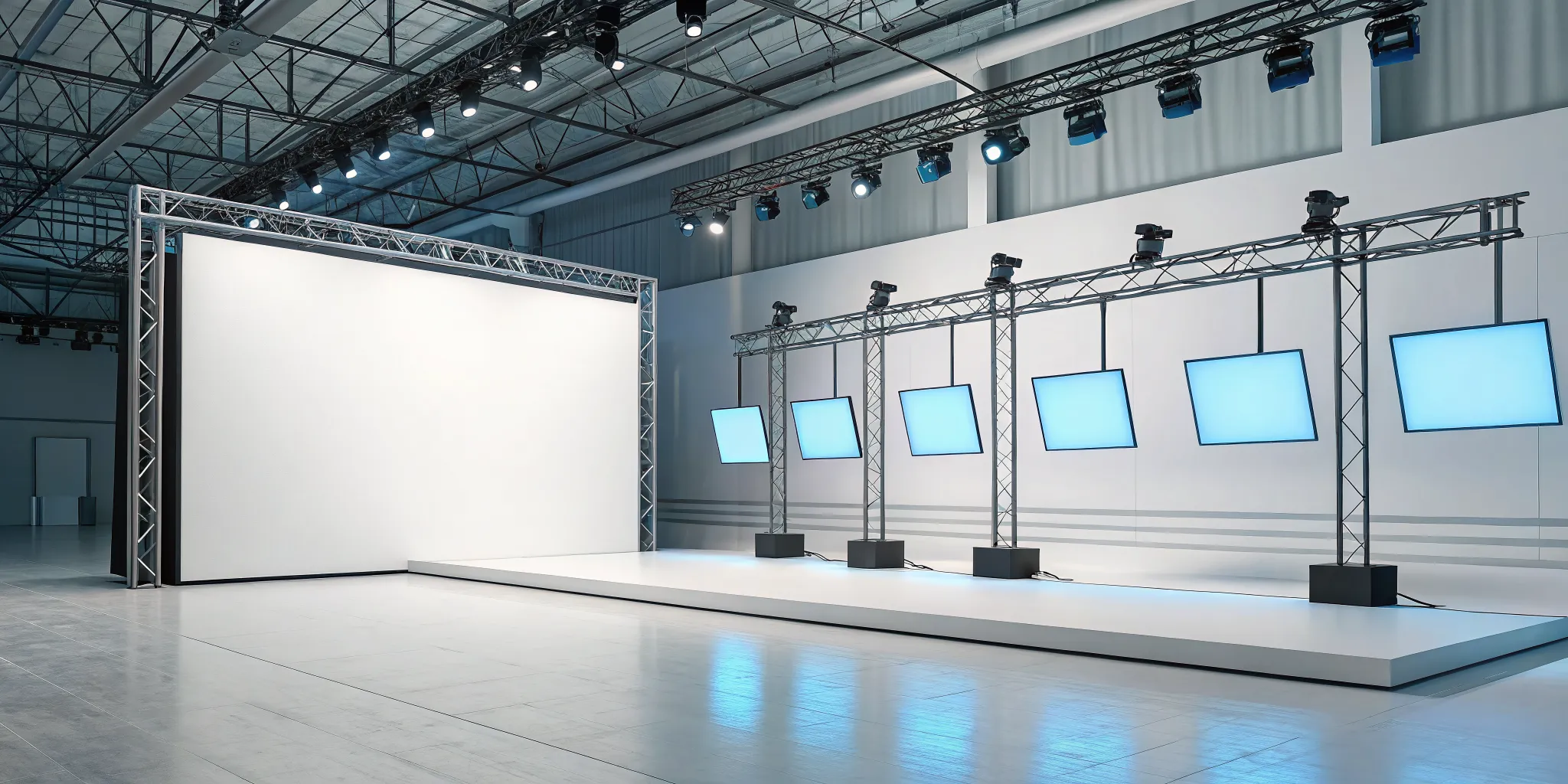

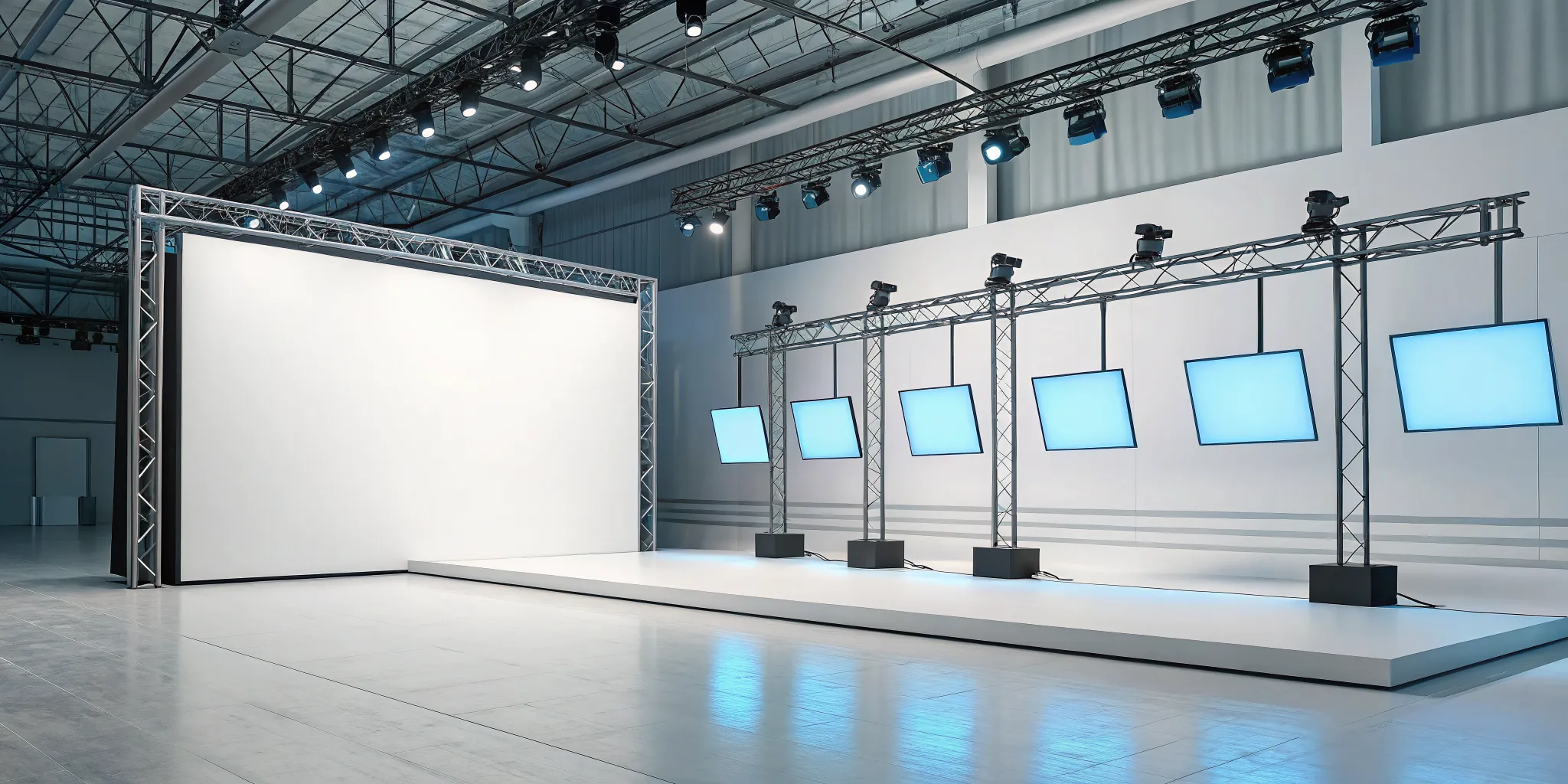
A Step-by-Step Virtual Production Workflow Template
For IP holders, expanding a story across film, television, and games requires a consistent vision and a smart strategy. Virtual production offers a powerful way to build that cohesive universe. By creating digital assets and environments that can be reused across multiple platforms, you’re not just making a single project; you’re building a library of your world’s DNA. This guide provides a practical virtual production workflow template that serves as a blueprint for this transmedia approach. We’ll walk you through how to leverage this technology to maintain creative control, ensure visual consistency, and maximize the value of your assets, turning your IP into an interconnected ecosystem that engages audiences everywhere.
Key Takeaways
- Shift Creative Decisions to Pre-Production: Virtual production succeeds when you build your digital world first. By moving most visual effects work to the pre-production stage, you can make key creative choices early, which leads to a more efficient and predictable shoot on set.
- Develop a Reusable Asset Library for Your IP: The 3D environments and digital props you create are not just for one project. They form a valuable library that can be repurposed for games, marketing, and future installments, ensuring visual consistency and maximizing your investment across the entire franchise.
- Prioritize Collaboration and Strategic Planning: The technology is only as good as the team using it. A successful virtual production requires breaking down departmental silos and planning meticulously from day one. Partnering with an experienced team can help you manage the technical complexities and keep your project focused on the story.
What Is a Virtual Production Workflow?
Think of a virtual production workflow as a new way to make movies, shows, and games that blends the digital and physical worlds right on the film set. Instead of acting in front of a plain green screen and waiting months to see the final visual effects, actors perform inside an immersive environment. This is made possible by using powerful real-time technology, often from game engines like Unreal Engine, to project fully-realized digital backgrounds onto massive LED screens. The camera then captures the actors and the digital world together in a single, final shot.
This approach fundamentally changes the filmmaking process from a linear, segmented pipeline into a more fluid and collaborative circle. It brings post-production into the production phase, giving directors, cinematographers, and actors immediate visual feedback. You’re no longer guessing what a scene will look like; you’re seeing it, shooting it, and perfecting it in real time. This integration of creative and technical expertise is at the heart of modern transmedia storytelling, allowing teams to build and expand worlds with greater speed and creative freedom. Arctic7’s services are built around this collaborative model, guiding IP holders through every stage of the process.
Virtual Production vs. Traditional Filmmaking
In traditional filmmaking, the process is strictly sequential. You have pre-production for planning, production for shooting, and a long post-production phase for adding visual effects. Creative teams often work in silos, and the final look of a VFX-heavy shot isn't clear until the very end. Virtual production collapses this timeline. It integrates these stages, allowing for real-time collaboration and on-set adjustments. Visual effects are no longer an afterthought; they are part of the live shoot. This means directors can see the final composite image through the camera, making creative decisions with complete confidence and context. It’s a shift from a "fix it in post" mindset to a "perfect it on set" approach.
Why It Matters for Your IP
For IP holders, this workflow isn't just a technical upgrade; it's a strategic advantage. It gives your creative teams incredible flexibility, allowing them to manipulate virtual worlds on the fly. Imagine changing the time of day from noon to sunset with a single click or tweaking the landscape to get the perfect shot. This level of control enhances storytelling and streamlines the entire production. Because so many visual effects are captured in-camera, you significantly reduce the time and budget spent on post-production fixes. This efficiency makes it easier to produce high-quality content consistently, which is essential for expanding your story across projects like the ones for Marvel Studios. It makes ambitious world-building more practical and creatively fulfilling.
The Three Stages of Virtual Production
Unlike a traditional film pipeline that saves visual effects for the very end, a virtual production workflow shifts the majority of the creative and technical work to the beginning. Think of it as front-loading your project. You invest more time and resources upfront to build your digital world, which in turn makes the actual production faster, more flexible, and often more cost-effective. This structure is what makes virtual production so powerful for IP holders who want to create cohesive, expansive universes. It’s a fundamental change in how stories are brought to life on screen.
This process breaks down into three distinct stages: pre-production, production, and post-production. While the names are familiar, their functions are quite different from what you might be used to. By building the world first, you empower your creative teams to make better decisions on set, see final-pixel shots in real time, and wrap post-production in a fraction of the time. This streamlined approach not only refines the filmmaking process but also creates a library of digital assets you can reuse for games, marketing, and other transmedia experiences. This method helps extend the life and reach of your IP far beyond a single release.
Pre-production: Build Your Virtual World
This is where the magic really begins. In the pre-production stage, you establish the entire foundation of your virtual world before a single camera rolls. Instead of waiting for post-production, most of your visual effects are created right here. Your teams will design and build all the digital assets, from 3D props to sprawling environments, inside a game engine. Key activities include creating digital previews (pitchvis) that act as high-tech storyboards and detailed rehearsals (previs) that allow filmmakers to experiment with camera angles and lighting. The Virtual Art Department (VAD) handles the design of all digital visuals, while techvis helps plan specific camera movements. This meticulous planning ensures a seamless and predictable production phase, giving you full creative control from the start.
Production: Film with Real-Time Tech
During production, your physical set merges with the digital world you just built. The actual filming happens on a stage surrounded by massive LED walls that display your 3D backgrounds. This technique, known as in-camera VFX (ICVFX), allows you to capture near-final shots directly in the camera, complete with realistic lighting and reflections from the screens. Physical cameras are linked to virtual cameras within the game engine, so the digital background moves in perfect sync with your real-world camera movements. Best of all, artists and directors can adjust the virtual world, like the time of day or the position of an object, in real time. This is the kind of on-the-fly iteration we put into practice on projects like Ant-Man and the Wasp: Quantumania.
Post-production: Refine the Final Cut
By the time you reach post-production, the heavy lifting is already done. This phase is significantly shorter and more focused compared to a traditional workflow because so many visual effects were captured in-camera. There’s no need to wait months for green screen composites or extensive VFX renders. Instead, your post-production team can concentrate on the final polish. Their work involves cleaning up any minor imperfections, performing color grading, and adding any small effects that weren't practical to capture on set. Editors use a process called postvis, which combines the live-action footage with the already high-quality visual effects, to assemble the final cut. This streamlined final step gets your project to the finish line faster, saving both time and budget.
Your Virtual Production Toolkit
Virtual production sounds complex, but the technology behind it can be broken down into a few core components. Think of it as a high-tech stage where the physical and digital worlds meet. Getting familiar with these tools will help you understand what’s possible for your project and how to plan for it effectively. Each piece of this toolkit plays a specific role in creating a seamless, immersive experience on screen.
From the software that builds your world to the hardware that brings it to life in real time, these are the essential elements that make virtual production work. Understanding this toolkit is the first step toward leveraging this technology to expand your IP's universe. We use these tools not just to create stunning visuals, but to build interconnected entertainment ecosystems that let stories thrive across platforms. Our services are designed to integrate these technologies from strategy to final execution, ensuring your world feels cohesive everywhere it appears.
Game Engines and Real-Time Rendering
At the heart of virtual production are powerful game engines, like Unreal Engine or Unity. These software platforms are used to build the interactive, 3D digital environments that will serve as your film's backdrop. Virtual production mixes this digital world with live-action filming in real time. As actors perform in front of LED screens displaying these backgrounds, the engine renders the scene instantly. When the physical camera moves, the digital background moves with it, creating a perfect parallax effect. This makes it appear as though the actors are truly inside a dynamic, expansive world, a technique we've refined through our work on projects like the Lollipop Racing game.
LED Volumes and In-Camera VFX (ICVFX)
Instead of a green screen, virtual production uses a stage surrounded by massive, high-resolution LED panels, often called a "volume." These screens display the digital environment created in the game engine. This is the foundation of in-camera visual effects (ICVFX), where the final composite shot is captured directly in the camera. The LED walls do more than just show a background; they also cast realistic light and reflections onto the actors and physical props. This creates a level of immersion and lighting quality that is incredibly difficult and time-consuming to replicate with traditional green screen workflows, as seen in projects like Marvel Studios' Ant-Man and the Wasp: Quantumania.
Motion Capture and Camera Tracking
For the illusion to hold, the digital background must react perfectly to the real camera's movements. This is achieved with sophisticated camera tracking systems. Sensors are placed on the physical camera to capture its exact position, orientation, and lens settings at all times. This data is fed back into the game engine, which adjusts the virtual camera's perspective in real time. So, if your cinematographer pans, tilts, or dollies, the digital world on the LED screens responds instantly. This seamless synchronization is what sells the shot and gives directors the freedom to film with the same organic movements they would on a physical location.
GPU Power and Infrastructure
All of this real-time rendering requires an incredible amount of computational muscle. The entire system is powered by a robust infrastructure of high-end computers equipped with powerful graphics processing units (GPUs). These GPUs are responsible for rendering the complex, photorealistic 3D worlds without any lag or stutter. A delay of even a few milliseconds could break the illusion. Building and maintaining this technical backbone is a specialized skill, requiring a team of experts who can manage the hardware, software, and data pipelines. Having the right technical team ensures the technology runs smoothly, so your creative team can focus on capturing the perfect shot.
A Sample Virtual Production Workflow Template
Think of this template as your roadmap. While every creative project has its own unique needs, this workflow breaks down the virtual production process into three core stages. Following this structure helps keep your teams aligned and your project on track from the first digital sketch to the final cut. It’s all about front-loading the creative decisions to give you more freedom and flexibility when it matters most.
The Pre-Production Checklist
This is the most important stage in a virtual production workflow. Unlike traditional filmmaking where you might "fix it in post," here you build the world before you ever start rolling. Most of the heavy lifting for visual effects happens right here, which saves an incredible amount of time and guesswork later. Your team will spend this phase designing, building, and testing every digital element that will appear on screen.
Your checklist should include:
- Plan every shot: Use pre-visualization, which is like a 3D storyboard, to map out scenes, camera angles, and character movements.
- Build your digital world: A Virtual Art Department (VAD) designs and creates all the 3D environments, props, and assets.
- Rehearse digitally: Techvis and previs act as detailed digital rehearsals, allowing you to experiment with camera paths and lighting setups.
- Calibrate your tech: Prepare the LED walls and ensure the physical cameras are perfectly synced with the virtual cameras in the game engine.
The Production Day Checklist
When you arrive on set, your virtual world is ready and waiting. This is when your pre-production planning comes to life. Actors perform in front of massive LED walls that display the real-time, photorealistic backgrounds you’ve already built. The physical camera is linked to the virtual one, so as your director of photography moves the camera, the digital background moves with it in perfect sync.
Your on-set checklist focuses on capturing the performance:
- Film on the virtual set: Your actors perform within the immersive digital environment displayed on the LED screens.
- Link physical and virtual cameras: This ensures the background perspective shifts realistically with every camera movement, creating a seamless effect.
- Make changes in real-time: Directors can instantly adjust lighting, move digital objects, or even change the time of day in the virtual world, a process we used in our work on Ant-Man and the Wasp: Quantumania.
The Post-Production Checklist
Because so much creative and technical work is completed during pre-production and production, the post-production phase is significantly shorter and more focused. Instead of building visual effects from scratch, your team’s primary job is to refine and polish the footage that was already captured in-camera. This stage is less about fixing problems and more about adding the final layer of cinematic magic.
Your post-production checklist involves refinement:
- Blend the footage: Editors work to ensure the live-action performances and digital backgrounds are perfectly integrated.
- Create a final cut: Post-visualization (postvis) helps editors combine the live footage with the nearly-final visual effects to lock the edit.
- Add the final polish: This is where you complete color grading, sound design, and add any complex visual effects that were not practical to capture live on set.
How to Build an Effective Virtual Production Workflow
A successful virtual production workflow is more than a series of technical steps; it’s a new way of thinking about creative collaboration. While the technology is impressive, it’s the human-centric planning and communication that truly makes a project shine. Shifting from a linear, siloed process to an integrated one requires a solid framework that keeps every department aligned from the very beginning. This isn't just about efficiency; it's about creating a space where your IP can grow in unexpected and exciting ways.
Building this framework involves focusing on a few core principles. By establishing clear goals, investing heavily in pre-production, fostering open communication, embracing on-set flexibility, and meticulously documenting your process, you create an environment where creativity can flourish without the typical constraints of traditional filmmaking. These practices are the foundation for a workflow that is not only efficient but also empowers your team to push the boundaries of your story's universe. The right strategic support can help you implement these principles effectively, turning a complex process into a streamlined creative engine that serves your story first and foremost. It’s how you go from a great idea to a fully realized world on screen.
Start with Clear Objectives
In traditional filmmaking, many decisions can be pushed down the line. In virtual production, planning starts much earlier and with greater detail. Before you even think about the LED volume, your entire team needs to be aligned on the project's core objectives. What is the narrative purpose of this scene? What is the intended mood and visual style? What are the key character moments we need to capture? Answering these questions upfront ensures that every technical and creative choice serves the story. This initial planning phase is where you create detailed 3D environments and map out camera shots, giving everyone a shared vision to work toward from day one.
Prioritize Pre-Visualization
Pre-visualization, or "previs," is the heart of the virtual production workflow. This is where you build and test your digital world before the cameras ever roll. By creating detailed 3D animatics and virtual scouts of your environments, you can block scenes, plan camera movements, and solve creative problems early on. This stage is where most of the visual effects work happens, which saves an incredible amount of time and money later. Instead of discovering a problem on set, you can identify and fix it in a controlled digital space. This proactive approach allows for more ambitious creative choices, as seen in projects like Lollipop Racing, where the world was fully realized before production began.
Structure Cross-Department Communication
Virtual production dissolves the traditional walls between departments. The director, cinematographer, production designer, and VFX supervisor are no longer in separate silos; they are a single, cohesive unit working in real-time. To make this work, you need to structure your communication channels intentionally. This means establishing daily stand-ups, using shared digital platforms for feedback, and empowering teams to make collaborative decisions on the fly. When the VFX artist can talk directly to the camera operator on set, problems get solved instantly. This tight-knit collaboration allows different teams, from directors to visual effects artists, to work together more closely and make creative changes on the spot during filming.
Build in Project Flexibility
While virtual production demands meticulous planning, one of its greatest strengths is the creative freedom it provides on set. Because your environment is a dynamic digital asset, you are no longer at the mercy of weather, lighting conditions, or location availability. With the press of a button, filmmakers can change the lighting from day to night, adjust the weather from sunny to stormy, or even swap out entire background elements instantly. This allows for real-time experimentation. You can test different creative ideas and see the results immediately, a process that was central to creating the complex worlds in projects like Marvel Studios' Ant-Man and The Wasp: Quantumania. This flexibility empowers directors and actors to make stronger, more informed creative choices.
Document Everything
In a fast-paced, collaborative environment, clear documentation is your anchor. This goes beyond simple meeting notes. It means creating a centralized source of truth for every aspect of the project: technical specifications for digital assets, version control for environments, creative decision logs, and detailed feedback records. This meticulous record-keeping ensures everyone on the team understands the goals and can share feedback easily and effectively. More importantly, it creates a library of your IP’s digital DNA. These well-documented assets can be reused and adapted for future films, games, or other transmedia experiences, ensuring consistency and saving valuable resources down the road.
Common Virtual Production Challenges (and How to Solve Them)
Adopting any new workflow comes with a few hurdles, and virtual production is no exception. While the technology is incredibly powerful, it introduces new variables that traditional filmmaking doesn't have. But don't let that intimidate you. Being aware of these potential roadblocks is the first step to creating a smooth and successful production. With the right planning and partners, you can handle these challenges and focus on bringing your creative vision to life. Here are a few common issues and, more importantly, how to solve them.
Plan for Upfront Costs
Let’s be direct: the initial investment for virtual production can seem steep. Renting LED stages and acquiring powerful computer hardware can be expensive at first, and it’s essential to budget for these initial investments to ensure a successful setup. However, it's helpful to think of this as shifting your budget, not just expanding it. The upfront costs are often offset by significant savings down the line. You’ll spend less on location travel, set construction, and costly post-production fixes. By planning for these expenses from the start, you can create a more predictable and often more efficient budget overall.
Address the Talent Gap
Virtual production requires a unique blend of expertise from both the film and gaming industries. Because the field is still new, the industry faces a significant challenge in finding enough skilled professionals who are proficient in the specialized technical skills required. One long-term solution is investing in training and development to upskill your own crew. For a more immediate fix, you can collaborate with a partner who already has this expertise. Working with an experienced studio gives you instant access to a team that understands the technology and the creative process, bridging the talent gap from day one.
Manage the Technical Learning Curve
Beyond hiring new talent, your existing crew will need to get comfortable with new tools. As virtual production relies heavily on advanced technologies such as game engines, crews must adapt and learn new skills. This is less of a barrier and more of an opportunity for growth. Providing comprehensive training programs can facilitate this transition and empower your team. When your artists, camera operators, and directors understand the technology, they can use it more creatively. A great partner will not only provide technical services but will also work alongside your team to help them build confidence with the new workflow.
Redefine Post-Production's Role
One of the biggest mindset shifts in virtual production involves post-production. In a traditional pipeline, many visual problems are solved with a "fix it in post" mentality. In virtual production, much of the creative work is done during filming, which shifts the focus of post-production to refining the content rather than fixing issues. This requires a different approach and mindset. The upside is that directors can see near-final shots on set, allowing for better creative decisions in the moment. This was a key advantage on large-scale projects like Ant-Man and the Wasp: Quantumania, where complex digital environments were captured in-camera.
How Virtual Production Expands Your Story's Universe
Virtual production is more than just a new way to film; it’s a powerful tool for building and expanding your story's world. By merging the physical and digital realms during production, you create a flexible foundation for your intellectual property. This approach allows you to think bigger, moving beyond a single film or series to create a cohesive universe that can live across games, virtual experiences, and more. Instead of treating each project as a separate entity, virtual production lets you build a library of digital assets and environments that become the connective tissue for your entire franchise.
This method fundamentally changes how you can approach storytelling. It opens up creative possibilities that were once too expensive or technically complex to consider. For IP holders, this means you can maintain a consistent vision and quality as your world grows. The strategic services we provide help you map out this journey, ensuring that every piece of content, from a blockbuster film to a mobile game, feels like a genuine part of the same universe. By integrating virtual production into your long-term strategy, you can create deeper, more immersive experiences that keep your audience engaged for years to come.
Make Better Creative Decisions, Faster
One of the biggest advantages of virtual production is the ability to see a near-final shot in real time. Traditionally, actors perform in front of a green screen, and the world is built around them months later in post-production. With virtual production, actors stand on a stage surrounded by massive LED screens displaying the digital environment. This means directors, cinematographers, and performers can see exactly how a scene looks and feels as it’s being filmed. This immediate visual feedback allows for on-the-spot adjustments to lighting, camera angles, and even an actor's performance, leading to stronger, more intentional creative choices without the guesswork of a green screen.
Reuse Digital Assets Across Platforms
The high-quality 3D environments you build for a virtual production shoot are valuable long after the cameras stop rolling. These digital assets are the building blocks of your world, and they can be repurposed for countless other projects. The same virtual set used in a TV show like Star Wars: Skeleton Crew can become a level in a video game, a location in a VR experience, or the backdrop for a marketing campaign. This approach not only ensures visual consistency across your entire IP ecosystem but also maximizes the return on your initial investment. You’re not just making a movie; you’re building a digital world that can grow with your story.
Grow Your IP's Reach Cost-Effectively
While the initial setup for virtual production can require a significant investment, it often leads to substantial long-term savings. Think of all the costs associated with location scouting, travel for cast and crew, and set construction. Virtual production can eliminate or drastically reduce these expenses by bringing any location in the world (or out of it) to a single soundstage. Furthermore, since so much of the visual effects work is captured in-camera, you can cut down on the time and budget typically spent in post-production. These savings can then be reinvested into other areas of your IP, helping you expand your story's universe in a smart, sustainable way.
Is Virtual Production Right for Your Next Project?
Deciding whether to use virtual production for your next film or series is a big question. It’s more than a technology choice; it’s a strategic one that reshapes the creative process from start to finish. This approach blends real-time digital worlds with live-action filming, giving directors and actors immediate visual feedback on set. For intellectual properties with expansive, fantastical worlds, this can be a game-changer. But it’s not a one-size-fits-all solution. To figure out if it’s the right fit for your IP, you need to weigh its powerful creative potential against its practical requirements.
When It Makes Sense
Virtual production shines when your project involves environments that are difficult or impossible to shoot on location. Think alien planets, detailed historical settings, or sprawling magical realms. Instead of dealing with costly travel and unpredictable weather, you get a controlled environment where you can change the time of day or the entire landscape instantly. This gives your creative team incredible flexibility and allows for on-the-spot experimentation. The realistic lighting from LED walls also creates stunningly immersive visuals, making the digital world feel tangible. For IPs that need a cohesive visual language across different media, like in our work on projects for Marvel Studios, this technology is invaluable.
What to Consider Before Committing
The biggest hurdle is often the upfront investment. Renting or building an LED stage and acquiring the necessary hardware can come with significant initial costs. Your crew will also need specialized skills in game engines and real-time technologies. It’s a common misconception that virtual production eliminates post-production; instead, it shifts much of that work to pre-production. Your VFX artists are still absolutely essential, but they'll be building digital assets before the cameras even roll. This requires meticulous early planning and a team with deep technical expertise. Finding the right transmedia partner can help you manage these complexities and ensure your project stays on track from day one.
Related Articles
- Your Guide to Virtual Production for Game Development
- The Virtual Production Workflow: A Practical Guide
- Indie Virtual Production Studio: The Essential Guide
Frequently Asked Questions
Is virtual production more expensive than traditional filmmaking? It’s better to think of it as a shift in your budget rather than an automatic increase. While there are significant upfront investments in technology and pre-production, these costs are often balanced by major savings later on. You can reduce or even eliminate expenses for location travel, set construction, and weather delays. Because so many visual effects are captured in-camera, you also spend far less time and money on post-production, which makes your overall budget more predictable.
What kind of projects benefit most from a virtual production workflow? Virtual production is a powerful tool for any project with environments that are fantastical, historical, or simply difficult to access. If your story is set on a distant planet or in a bustling ancient city, this workflow gives you complete control. It's also ideal for IP holders who want to build a consistent visual style across multiple projects, like a film series and a video game. The technology gives your creative team the flexibility to build and refine your world with incredible precision.
Does virtual production get rid of the need for post-production? Not at all, but it does change its function in a big way. The post-production phase becomes much shorter and more focused. Instead of a long, intensive process of creating visual effects from scratch, your team will concentrate on polishing what was already captured on set. This includes tasks like final color grading, sound design, and adding any small visual elements that weren't practical to film live. The heavy lifting is already done, so post-production is about refinement, not repair.
Do I need to hire a whole new team to use this technology? Not necessarily, but you will need a team with a specific blend of skills from both the film and game development industries. The workflow thrives on collaboration between departments that traditionally worked separately. While your existing crew can certainly learn the new tools, many IP holders find it helpful to work with an experienced partner. This gives you immediate access to a team of specialists who can guide your project and help your own crew build confidence with the process.
You mention reusing digital assets. What does that actually look like for my IP? The 3D environments, props, and characters you build for a film become a permanent digital library for your intellectual property. For instance, the virtual set of a starship bridge from your movie can be directly repurposed as a level in a video game or a location for a VR experience. This not only saves you the cost of rebuilding those elements from scratch but also ensures your world feels visually consistent everywhere your audience interacts with it.
New Immersive & XR Media Capabilities Added to Arctic7's Suite of Games, Film & TV and Digital Services

Arctic7 Shares Details of its Work on Skeleton Crew and Cinematics Partnership with Fateless

The Human Touch: Adding Personality to Project and Product Management
Whether it’s your team, your client, or your stakeholders, understanding the human dynamics is just as critical as hitting milestones.

McDonald's Case Study: Bridging Brand and Play | Arctic7
Bridging Brand and Play: An Interview with Lindsay Blenkhorn Daggitt