


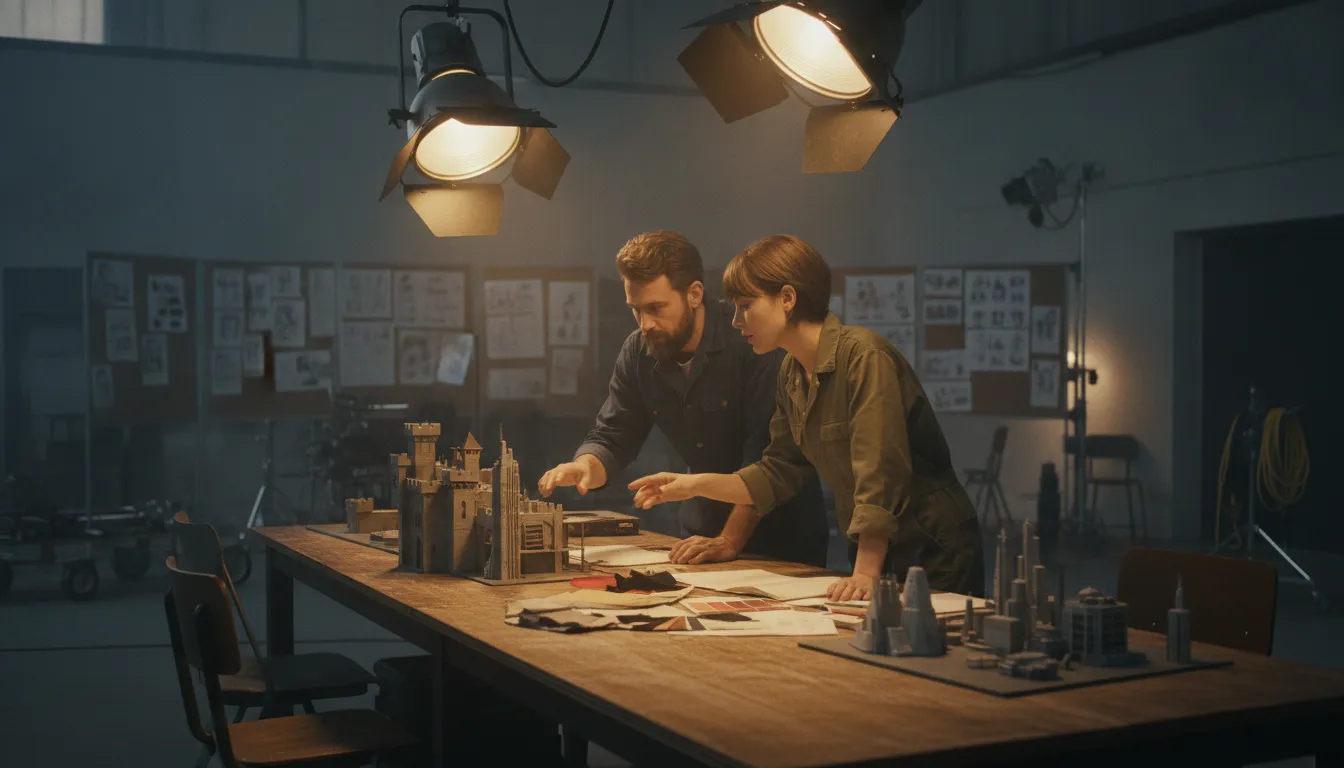

Film Pre Production Services for IP Holders
A compelling IP can inspire a film. Inspiration alone, however, does not give a studio a shared picture of its commitment. The work is to turn the world, story, audience, and creative ambition into decisions teams can evaluate and carry forward.
For studios and IP owners, film pre production services help move a concept toward a production-ready vision. They clarify the story, align stakeholders, and define how the property may grow across formats. The goal is a coherent creative and strategic foundation for the next decisions, not paperwork for its own sake.
For an IP with ambitions beyond a single release, that foundation matters. It can preserve qualities audiences value while making room for new stories and experiences. The first question is not simply what preparation a film needs. It is why that preparation is a strategic investment in the IP itself.
Explore Arctic7's virtual production capabilities for your IP
Why Is Film Pre-Production a Strategic IP Investment?
Film pre-production creates strategic value by turning creative ambition into shared decisions before production begins. For an IP holder, the point is not to promise a return or eliminate uncertainty. It is to clarify what the story must preserve and how the property might grow across formats. Teams can also align on creative and technical choices before committing further resources.
That distinction matters when a project is part of a larger franchise or entertainment world. A film may need to stand on its own while fitting the logic and tone of the underlying IP. If expectations remain implicit, separate teams can form competing assumptions about characters, world rules, or audience. Early planning gives decision-makers a place to surface those assumptions and resolve them deliberately.
For Arctic7, preparation is part of a wider transmedia method, not simply a checklist for a conventional shoot. Its approach uses narrative workshops, IP audits, creative frameworks, and stakeholder alignment to prepare an IP for expansion. The audit considers existing assets, storylines, and expansion potential. The creative framework establishes guardrails intended to protect the IP's integrity across platforms. Arctic7's film and TV integration services sit within that broader approach.
This kind of work can make the next decisions more legible. A studio or rights holder can discuss whether a proposed story fits the property and which parts of the world are ready to develop. The team can identify what needs further creative definition. It can also distinguish a firm creative direction from an open question. That helps stakeholders evaluate a production vision, communicate across disciplines, and decide what to develop next. It does not guarantee financing, audience response, lower costs, or commercial performance.
The strategic case for film pre production services is strongest when a screen project is one expression of a bigger IP plan. Arctic7 describes a process that moves from preparation into strategy and a production blueprint. It aligns creative direction with platform-specific planning. This can connect film and television development with other formats without assuming every property needs the same expansion path. For decision-makers, the investment is in clearer choices and shared direction. That foundation helps assess readiness before creative intent turns into production commitments. It also gives stakeholders a common reference as work moves from strategy toward a defined production vision.
What Do Film Pre-Production Services Coordinate?
Film pre-production services can span different tasks depending on the project and partner. At their core, they connect creative intent to decisions needed before filming begins. For studios and IP holders, scope alone is not enough. Good coordination keeps story direction, production assumptions, stakeholders, and the intended audience in view.
In a conventional film workflow, pre-production may include creative development, script and storyboard work, shot lists, location scouting, scheduling, casting, crew, equipment, and budgeting. One production agency describes producers collaborating with creatives to keep work within budget and schedule. The full scope varies by provider and project. A service label alone does not show that every function is included.
| Planning layer | Core question | Typical owner |
|---|---|---|
| IP and creative strategy | What must the story preserve, and how could it extend? | IP holder and creative leadership |
| Production logistics | What resources, locations, people, and schedule are required? | Producer and production team |
| Technical design | How can the intended image and environment be realized? | Creative and technical leads |
For an IP owner, coordination also starts upstream of shoot logistics. Before teams commit to execution, decision-makers need a shared view of what is essential to the world and which storylines can expand. They also need agreement on where stakeholders must align. Without that foundation, a technically complete plan can still pull the property in conflicting creative directions.
Strategic readiness is not line production
Arctic7 documents a transmedia preparation stage built around narrative workshops, IP audits, creative frameworks, and stakeholder alignment. Its audits assess existing assets, storylines, and expansion potential. The frameworks establish guardrails intended to protect IP integrity across platforms. These strategic inputs help decide how a world can grow. They are not a promise to provide conventional line-producing functions such as casting, permits, or production budgeting.
The distinction matters when comparing film pre production services. Ask whether a partner shapes creative and cross-platform direction, handles production logistics, or coordinates both through defined roles. Arctic7's documented strategy stage develops a transmedia roadmap, workflow architecture, and coordinated timelines. These connect a film opportunity to the wider IP plan. Confirm the scope and owner of shoot-level scheduling and other production tasks with the responsible production team.
Coordinate decisions before they become dependencies
A useful readiness plan makes key choices visible. These include story direction, available assets, formats under consideration, and people who must approve the next stage. That helps teams identify dependencies early. Detailed budgets, crew bookings, locations, and permits remain with production professionals engaged for those responsibilities. This distinction matters when a film is part of a larger entertainment ecosystem, rather than a standalone release.
Arctic7's approach is designed to connect IP strategy with creative and technical execution across formats. For more detail on its documented work in this area, read about its film and TV production capabilities.
How Do Development and Visual Direction Protect the IP?
Narrative development and visual direction protect an IP by turning its defining ideas into shared creative guardrails. When the story, audience, world rules, and visual identity are clear, teams can explore new formats without treating each adaptation as a disconnected interpretation. The aim is not to freeze a world, but to make deliberate choices about what can evolve and what must remain recognizable.
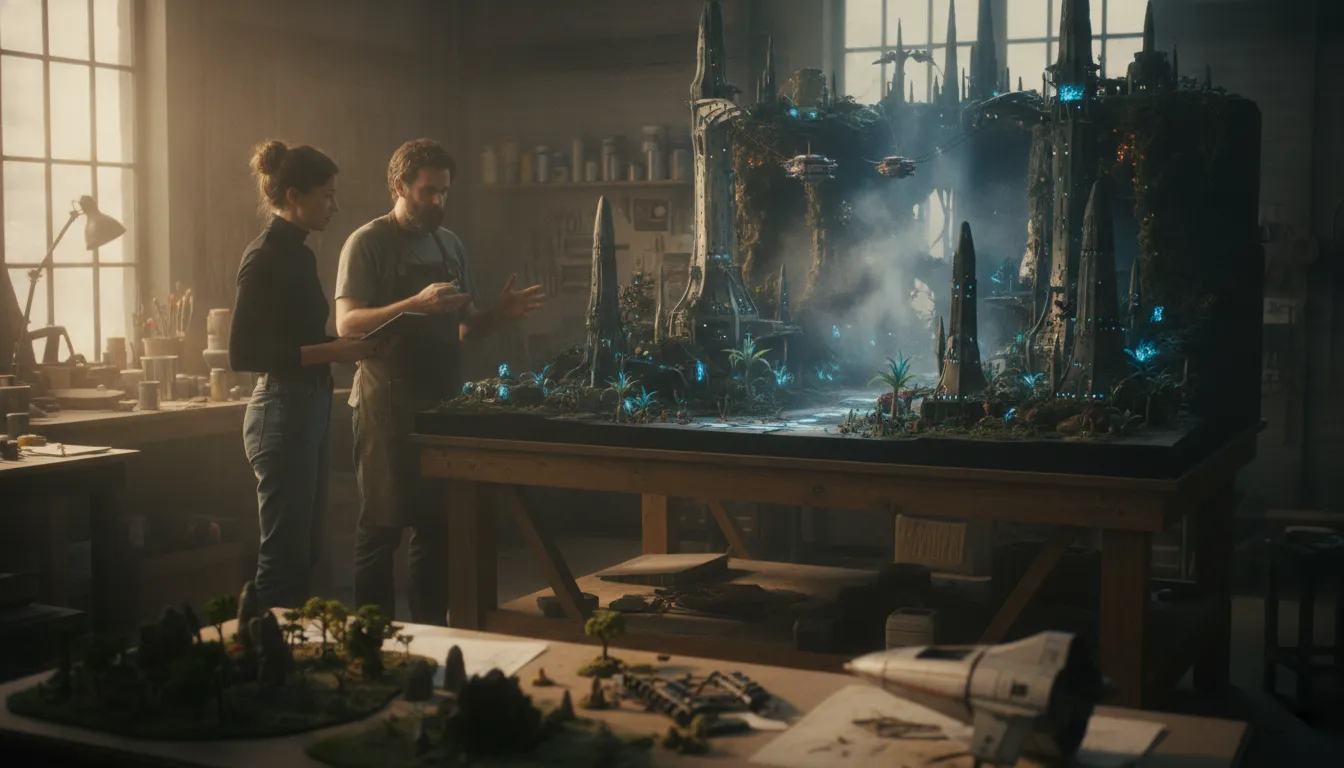
Start with the IP itself: its existing stories and assets, the audience's expectations, and the themes that give the world meaning. Narrative and worldbuilding workshops can surface what is established canon, where there is room for invention, and which questions require an owner to decide. These are useful prompts for any team assessing film pre production services; they are not a universal checklist or a substitute for the creative leadership of the project.
Arctic7 describes a preparation stage that combines narrative workshops, IP audits, creative frameworks, and stakeholder alignment. The audit considers existing assets, storylines, and expansion potential. The frameworks are intended to help protect IP integrity across platforms. This matters when a property may extend beyond one screen. A new story can feel fresh while still belonging to the same world. Arctic7's transmedia and entertainment services include early narrative development and flexible system design for cross-format expansion.
Visual direction makes those creative principles legible to the people who must interpret them. A lookbook or similar visual reference can help stakeholders discuss tone, environments, character presentation, and the boundaries between established motifs and new ideas. Treat those materials as alignment tools, not as a guarantee that every department will make the same choice automatically. The useful test is whether different teams can explain the creative intent and identify where an approval or further decision is needed.
Stakeholder alignment is part of development, not a final sign-off exercise. Establish who owns canon decisions, which audiences and formats matter, and how feedback will be resolved before concepts multiply. Arctic7's documented strategy work can include a transmedia roadmap, pilot scripts and lookbooks, workflow architecture, and coordinated timelines. These outputs describe its broader strategy methodology, not a fixed film-preparation package. The right scope depends on the IP and production's needs.
When the visual approach involves virtual production, early creative and technical conversations can also connect what is designed to how it may be realized. For a focused look at that relationship, see this guide to the virtual production workflow in filmmaking. Keeping narrative intent visible through those discussions helps teams weigh new creative possibilities against continuity, audience expectations, and practical production choices.
How Does Technical Design Connect Vision to Execution?
Technical design makes a creative idea discussable across departments before production decisions become difficult to change. By visualizing spaces, perspectives, and intended on-screen effects, a team can test whether the concept is legible and identify assumptions that need agreement. The goal is not to replace creative judgment, but to give it a shared reference point.
For a studio or IP holder, the useful questions are practical: What must the audience see? What needs to exist physically, digitally, or in combination? How should the camera relate to the environment? Which creative choices remain open, and which need approval before the next stage? Working through these questions helps connect a director's intent with the needs of design, cinematography, and technical teams, without treating an early visualization as a locked production plan.
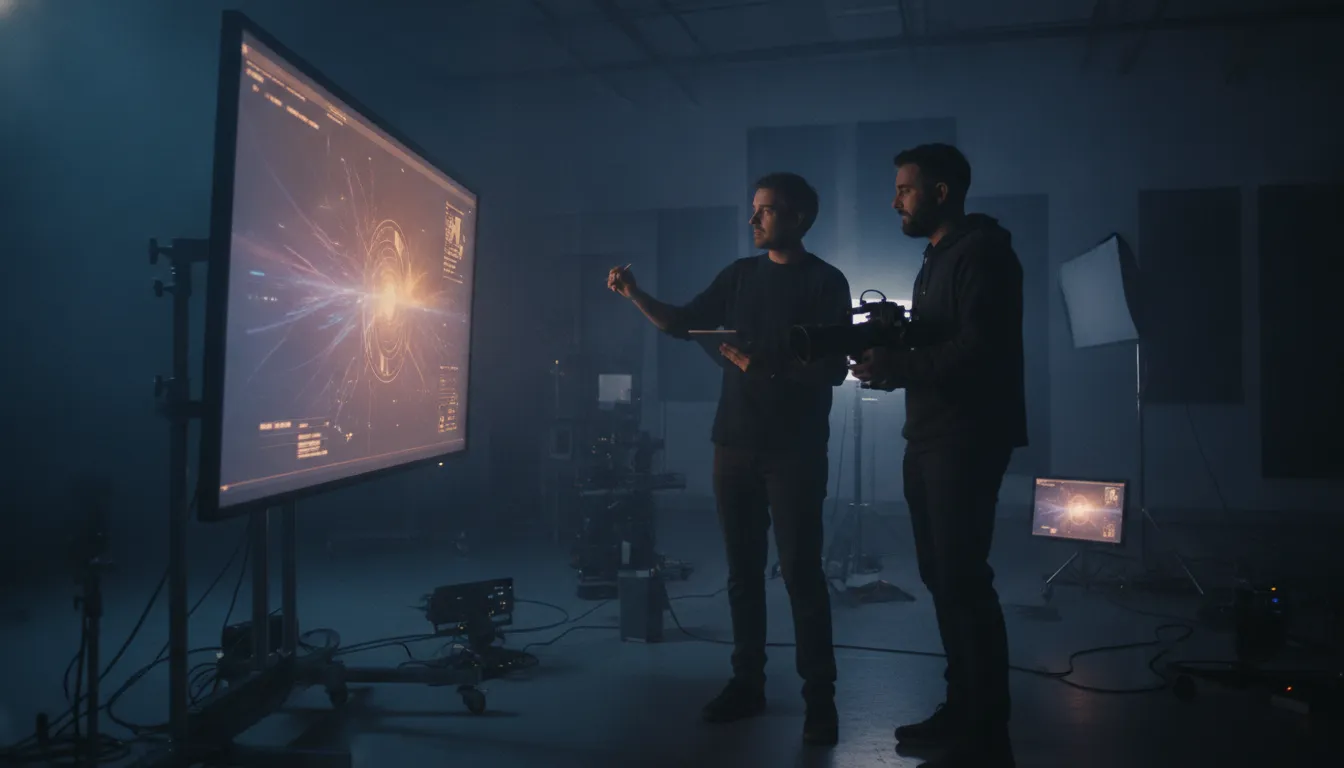
That shared view matters when a story depends on environments not fully represented by a conventional location or set. A virtual art department can develop digital environments within a virtual production approach. Real-time visualization helps creative and technical collaborators examine a scene together. Arctic7's documented capabilities include virtual art department, ICVFX, and real-time visualization through Narwhal Studios' production expertise. The planning value is a clearer conversation about the image and its requirements, not a guaranteed schedule or cost outcome.
Previsualization is one part of this work, not the whole pre-production strategy. Arctic7's guide to a virtual art department for pre-production explores its role in developing digital environments and aligning creative choices. More broadly, visualization can support a production-ready discussion. Compare the intended look with the practical setup, surface dependencies, and decide who must resolve each open question.
An early image or animatic is most useful when the team knows what it should validate. It might clarify a camera perspective or the relationship between a digital environment and live action. It can also test whether a visual idea supports the story's tone. These are prompts for informed review, not a substitute for technical assessment. The right level of detail depends on the production, creative approach, and open decisions.
For IP owners, this process also provides a chance to check that visual choices remain faithful to the world and its established rules. A scene may look compelling in isolation yet raise questions about how a setting, character, or technology fits the wider universe. Bringing creative intent and technical possibilities into the same conversation makes those questions visible while the concept is still being shaped.
What Should a Production-Ready Vision Make Clear?
A production-ready vision gives decision-makers enough clarity to approve the next stage. It helps them distinguish an exciting concept from an executable plan. Connect the creative ambition to the IP's boundaries, intended audience, format, assumptions, dependencies, and decision owners. Treat this as an executive review framework, not a fixed package of film pre-production services.
Creative intent and IP guardrails
Can the team explain what the story is meant to make an audience feel or understand, and what makes it recognizably part of this IP? Identify the essential characters, world rules, themes, and continuity constraints, along with areas where creative teams can explore. An IP audit and creative framework can help distinguish protected elements from opportunities for expansion. If stakeholders disagree about those boundaries, resolve that disagreement before detailed execution planning.
Audience, format, and scope assumptions
Be explicit about whom the production serves and where the work is intended to live: a feature, episodic series, game-linked experience, or another format. The choice affects the creative approach and how the work relates to other parts of the franchise. Record what the current plan assumes about story scale, visual ambition, platform, and any connected experiences. Label open assumptions as open; do not let an untested creative preference quietly become a production commitment.
Arctic7's documented strategy work includes a transmedia roadmap, workflow architecture, and coordinated timelines. Its production blueprint addresses platform-specific production and creative alignment. These tools organize strategic and creative decisions. They are not a promise of conventional budgeting or line-producing. The overview of Arctic7's transmedia services explains the broader approach.
Dependencies, technical questions, and decision owners
Map what must be true before the next commitment. Consider approved story materials, rights or continuity input, access to assets, technical feasibility questions, and coordination with connected platforms or production teams. Separate confirmed facts from questions needing a specialist's answer. If virtual production or real-time visualization may influence the plan, identify that question early. Bring the right expertise into the conversation, but do not assume the technique is required.
Then name who can approve the script direction, IP interpretation, format, and major creative changes. Define how unresolved issues are raised and which decisions must be revisited if assumptions change. A roadmap and production blueprint are most useful when they make dependencies and handoffs visible, rather than hiding uncertainty behind polished pitch materials.
A clear gate to proceed
Before greenlighting the next phase, ask whether the team can state the creative objective, IP rules, chosen audience and format, major assumptions, unresolved dependencies, and approval path in plain language. Not every detail needs to be final. The plan should show which choices are settled and which need evidence or specialist input. It should also name who owns each next decision. That is the difference between useful alignment and enthusiasm that still needs a plan.
Frequently Asked Questions
What is pre-production on a film?
Pre-production is the planning and preparation that happens before filming begins. Depending on the project, it can connect the creative approach with practical decisions about script, visuals, locations, people, schedule, and production needs. Its purpose is to give the team a clearer shared plan before the work moves onto set.
What are the 5 pre-production documents?
There is no single required set of five documents for every film. Common planning materials include a script or treatment, script breakdown, production schedule, budget, and storyboard or shot list. A project may use different documents or add items such as a lookbook, depending on its format, scale, creative approach, and production requirements.
How long does pre-production take for a film?
There is no standard duration. The timeline depends on factors such as the project's format and complexity, how settled the creative direction is, and what needs to be coordinated before filming. A production guide notes that timelines can range from long preparation periods to compressed ones. So teams should estimate against their own scope and dependencies rather than a universal benchmark.
What is the best software for film pre-production?
The best choice depends on the team's workflow and the decisions it needs to coordinate. Start by identifying whether the immediate need is script breakdown, scheduling, budgeting, storyboarding, visual development, or collaboration, then assess tools against those requirements and the team's existing pipeline. No single application is the right fit for every production.
Ready to Shape a Production-Ready Vision for Your IP?
Early alignment across creative ambition and production considerations can help studio and IP decision-makers clarify how a world may extend across formats. Explore Arctic7's film and virtual-production capabilities, and discuss a production-ready vision for your IP.
Contact Arctic7 to explore film and virtual-production capabilities.
New Immersive & XR Media Capabilities Added to Arctic7's Suite of Games, Film & TV and Digital Services

Arctic7 Shares Details of its Work on Skeleton Crew and Cinematics Partnership with Fateless

The Human Touch: Adding Personality to Project and Product Management
Whether it’s your team, your client, or your stakeholders, understanding the human dynamics is just as critical as hitting milestones.

McDonald's Case Study: Bridging Brand and Play | Arctic7
Bridging Brand and Play: An Interview with Lindsay Blenkhorn Daggitt


