
A Guide to Virtual Production for Worldbuilding
A great world lives and breathes long before it reaches the screen. Traditionally, this world existed in dense scripts, static concept art, and the minds of your creative team. But what if you could walk through its cities and landscapes during the creation process? Virtual production transforms worldbuilding from a theoretical exercise into a hands-on, interactive craft. It merges digital and physical techniques, allowing your directors, designers, and writers to collaborate within a shared, real-time environment. This approach to virtual production for worldbuilding provides immediate visual feedback, making the creative process more dynamic and collaborative. It’s about building, testing, and refining your universe together, ensuring the final result is as rich and believable as you first envisioned.
Key Takeaways
- Build Your World as a Core Asset: Think of your virtual world as a foundational digital asset, not just a one-off film set. Creating a detailed, reusable universe from the start ensures consistency and allows you to easily expand your IP across games, series, and future projects.
- Use Real-Time Feedback to Refine Your Vision: The iterative nature of virtual production is its superpower. It allows your creative team to test ideas, make changes, and see the results instantly, fostering better collaboration and ensuring the final product perfectly aligns with your story.
- Solve Challenges with a Strategic Partner: The technical learning curve and initial costs of virtual production can seem intimidating. Partnering with a specialized team gives you immediate access to the necessary expertise and infrastructure, making the process more manageable and cost-effective.
What Is Virtual Production for Worldbuilding?
Virtual production is a transformative approach that merges digital and physical filmmaking techniques, allowing creators to build and interact with virtual worlds in real time. For IP holders, this technology offers an incredible opportunity to construct expansive, detailed universes that can be consistently deployed across games, films, and other media. It moves worldbuilding from the pages of a script or the frames of a storyboard into a dynamic, interactive space where creative decisions can be made with immediate visual feedback. This process not only streamlines production but also deepens the creative potential of your world.
Imagine being able to scout locations that don't exist yet or test a complex action sequence before building a single physical set. That’s the power of virtual production. It gives your entire team, from directors to designers, a shared digital environment to collaborate within. This real-time interaction helps align everyone on a single creative vision, reducing costly changes later in the pipeline. By building your world digitally first, you create a flexible and reusable asset that serves as the foundation for your entire franchise, ensuring every new story feels like it belongs to the same cohesive universe.
How Virtual Production and Worldbuilding Connect
Think of worldbuilding as the art of creating a complete, believable universe for your story. It’s the foundation of any great IP, giving your audience a rich setting to explore. Virtual production is the powerful set of digital tools and techniques that brings this process into the modern age. Instead of static concept art and dense documents, virtual production allows you to build, experience, and refine your world in real-time. This direct connection means your creative team can walk through a digital city or stand on a virtual mountain as they create it. It transforms world-building from a purely theoretical exercise into a hands-on, interactive craft.
The Building Blocks of a Virtual World
A truly immersive world feels like it has a life of its own, extending far beyond what the audience sees on screen. To achieve this, you need to lay a solid foundation. This starts with establishing your world’s history, geography, and the unique rules that govern it. What major events shaped its cultures? What does the physical landscape look like, and how does that affect its inhabitants? What are the principles of its technology or magic? Answering these questions creates a consistent and logical framework. This depth ensures that as your IP expands, the world remains coherent and believable, providing endless storytelling opportunities.
Designing Your World's Look and Feel
With your foundation in place, you can start designing the aesthetic of your world. This is where you define the visual language that will make your universe instantly recognizable. Using powerful software like Unreal Engine, your team can craft everything from sprawling natural landscapes to futuristic cityscapes. The goal is to create a world with a natural aesthetic that feels both beautiful and authentic. Virtual production gives you the ability to experiment with lighting, color palettes, and textures on the fly, ensuring every visual element supports the mood and tone of your story.
Crafting Your Characters and Narrative
A world is just an empty stage without a compelling story and characters to drive it. Virtual production integrates narrative development directly into the worldbuilding process. Instead of waiting until post-production, you can visualize scenes and character interactions within the digital environment from day one. This allows writers, directors, and animators to collaborate in a shared space, testing how a character moves through a specific location or how a scene plays out against a virtual backdrop. These virtual production effects make storytelling more flexible and grounded in the world you’ve built.
The Tech That Powers Virtual Production
Virtual production isn't a single piece of software or hardware. It's a powerful ecosystem of technologies working in concert to blend the digital and physical worlds right on set. Think of it as a toolkit that allows creators to build, explore, and film inside their virtual worlds in real time. This approach gives directors and actors immediate visual feedback, making the creative process more interactive and iterative. By bringing post-production tasks into the pre-production and production phases, these tools give teams unprecedented control and flexibility. From game engines to AI, each component plays a crucial role in bringing expansive, immersive worlds to life. This is especially valuable for IP holders who want to ensure their vision is captured perfectly from the very first shot, creating a solid foundation for transmedia expansion.
Real-Time Rendering with Unreal Engine
At the heart of virtual production is real-time rendering, and game engines like Unreal Engine are the powerhouses that make it possible. Unlike traditional filmmaking, where rendering visual effects can take hours or even days per frame, real-time engines generate photorealistic images instantly. This allows you to see the final shot, complete with digital characters and environments, live on set. As Deloitte Insights notes, these digital tools are making production more flexible and freeing creativity from old constraints. For IP holders, this means you can make creative decisions on the fly, experiment with different scenarios, and see your world come together before your eyes, just as we saw in projects like Ant-Man and the Wasp: Quantumania.
Bringing Characters to Life with Motion Capture
Motion capture, or mocap, is the technology that translates human performance into digital data. By placing sensors on an actor, you can record their every movement, from subtle facial expressions to dynamic action sequences, and apply it to a 3D character. When combined with a real-time engine, you can see the digital character performing live on set, interacting with the virtual environment. This technology is a perfect example of how human artistry drives technical innovation. As experts at Vicon point out, virtual production and AI are only as inspiring as the talented people using them. It’s this fusion of human performance and digital technology that creates believable, emotionally resonant characters.
Building Immersive Sets with LED Volumes
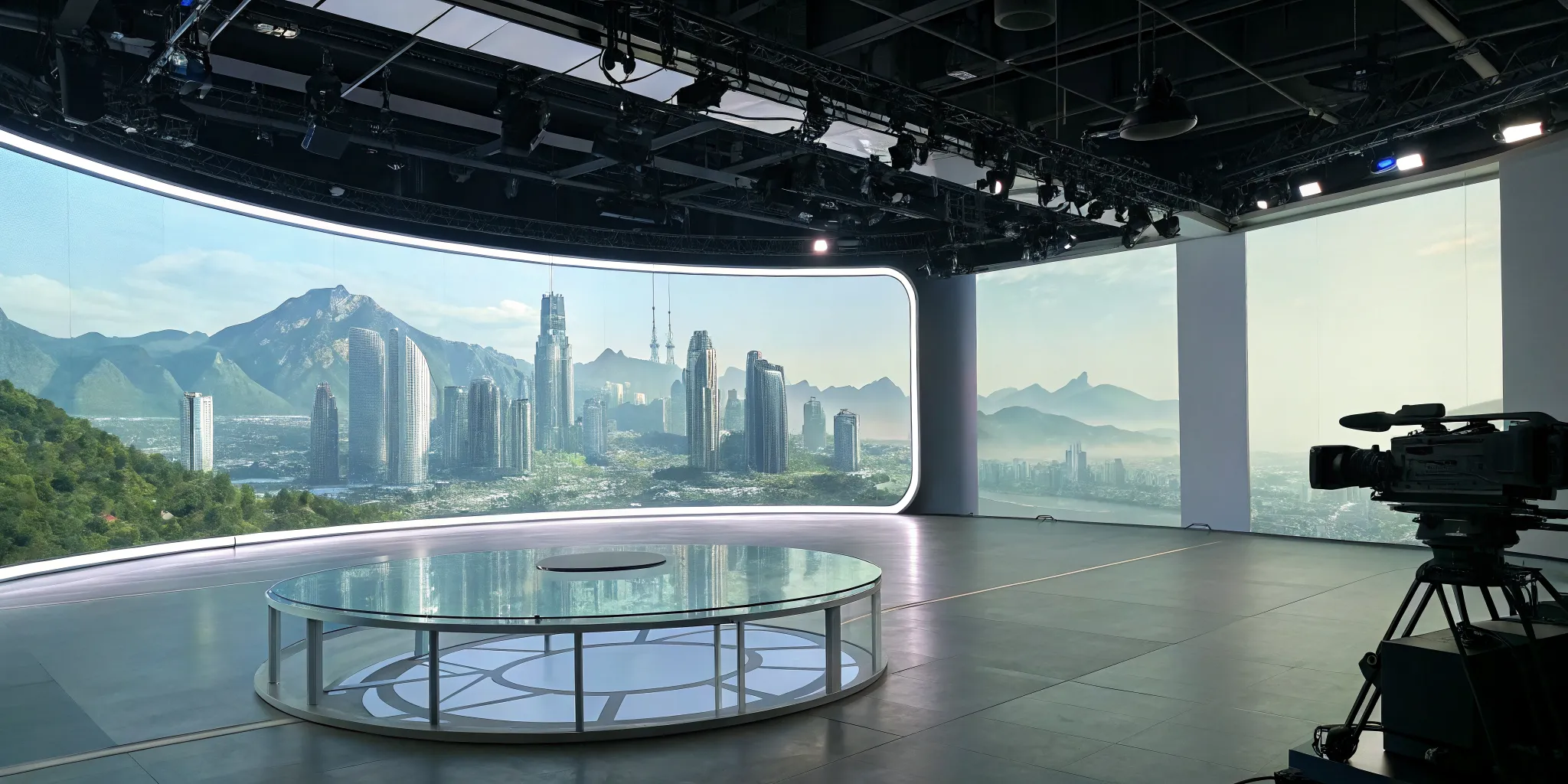
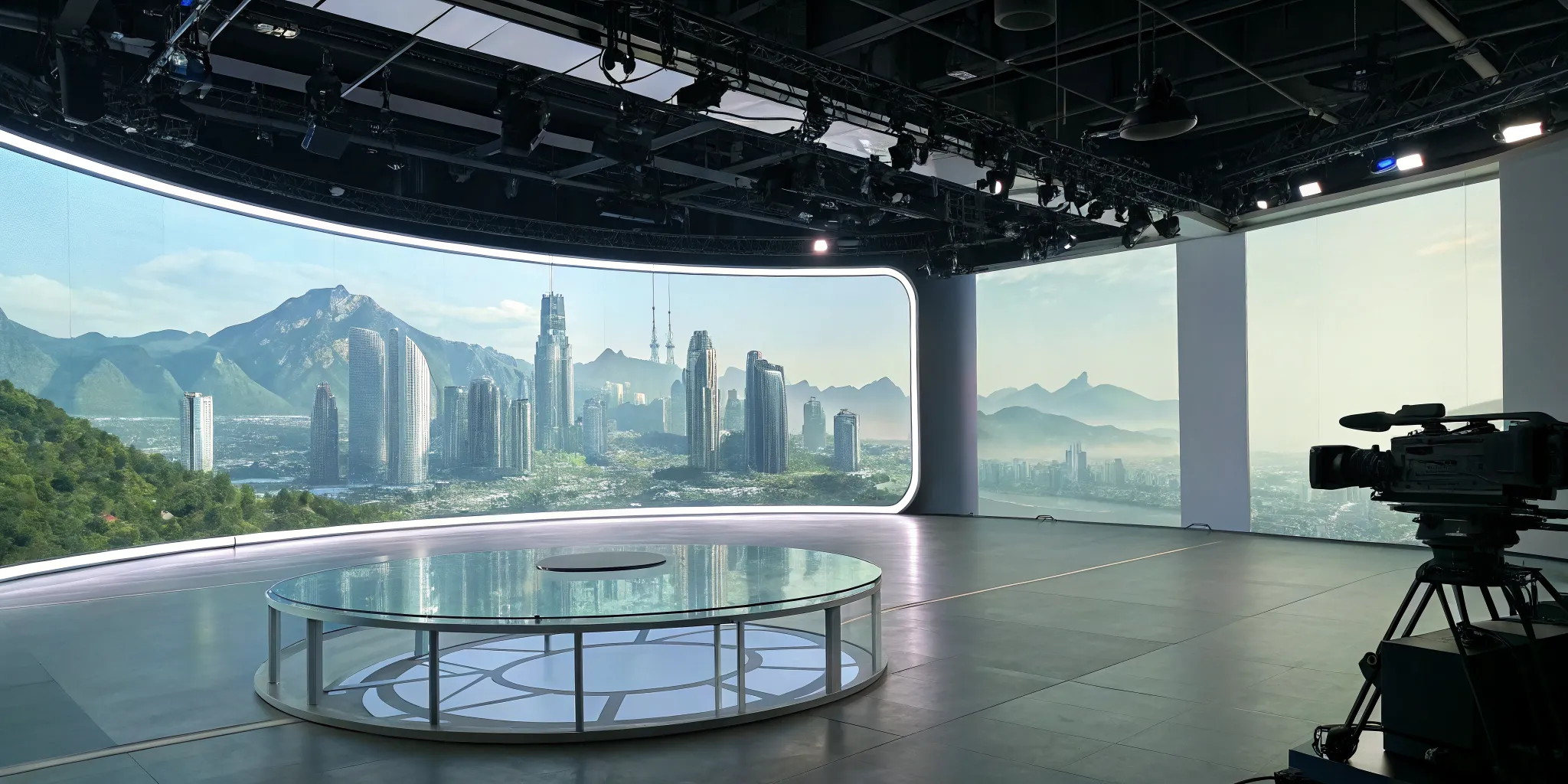
LED volumes are revolutionizing the traditional green screen. These massive, curved stages are made of high-resolution LED panels that display the real-time rendered environment around the actors. This creates a seamless, immersive backdrop that also provides realistic lighting and reflections on the actors and physical props, a technique known as in-camera VFX (ICVFX). The result is a more natural performance from actors and a significant reduction in post-production work. The rapid expansion of these stages is a key driver of virtual production's growth, enabling productions like Star Wars: Skeleton Crew to build breathtaking worlds that feel completely real, directly in the camera.
Using AI to Generate Assets and Streamline Workflows
Artificial intelligence is quickly becoming an indispensable partner in the creative process. In virtual production, AI can dramatically speed up asset creation, generating everything from textures and landscapes to character concepts. It also helps streamline complex workflows by automating repetitive tasks, freeing up artists to focus on what they do best: being creative. The rising adoption of cloud-based and AI-driven workflows is opening up new opportunities for remote collaboration and efficient content creation. By integrating these smart tools, we can build more detailed worlds faster than ever before, pushing the boundaries of storytelling while managing resources effectively. This efficiency is a core part of Arctic7's strategic services.
Collaborating in Real-Time with Cloud-Based Tools
Virtual production breaks down geographical barriers. Thanks to an emerging ecosystem of remote collaboration tools and cloud-based platforms, artists, directors, and producers from around the world can work together in the same virtual space. A director in Los Angeles can scout a virtual location with a production designer in London, making real-time adjustments that everyone can see instantly. This collaborative approach not only brings together the best global talent but also makes the production process more efficient and cohesive. It allows for parallel workflows where different teams can work on the same project simultaneously, ensuring that the creative vision is perfectly aligned across all departments.
Designing Assets That Work Across Platforms
One of the most powerful aspects of virtual production for IP holders is the ability to create a unified asset library. The high-fidelity 3D models, environments, and characters built for a film or series are essentially game-ready. This means the same assets can be seamlessly repurposed for a video game, a VR or AR experience, marketing materials, or other interactive content. This strategy turns a single production into a launchpad for a whole ecosystem of interconnected entertainment. As experts at Magnopus highlight, the future lies in leveraging real-time assets across multiple channels. This is the foundation of transmedia worldbuilding, allowing you to extend your IP's reach and deepen audience engagement, as seen in our work on Lollipop Racing.
Common Challenges in Virtual Production (and How to Solve Them)
Virtual production opens up incredible creative possibilities, but it’s not a magic wand. Like any powerful tool, it comes with its own set of challenges, from steep learning curves to budget considerations. The good news is that these hurdles are entirely manageable with the right strategy and team. Thinking through these potential issues ahead of time ensures you’re prepared to solve them, letting you focus on what matters most: building your world.
Overcoming the Technical Learning Curve
A virtual production set is a busy place. With specialists in VFX, real-time rendering, lighting, and camera all working at once, it’s easy for crucial information to get lost in translation. The technology is only as effective as the people using it, and success depends on seamless collaboration between these different disciplines. The solution is to establish a clear communication pipeline from day one. Having a central leadership team or a dedicated transmedia partner who speaks every department's language ensures that the artistic vision is executed flawlessly on a technical level, keeping the entire crew aligned and moving forward together.
Managing Costs and Equipment
The idea of building an LED volume and investing in high-end rendering hardware can seem financially daunting. While the upfront costs can be significant, virtual production often proves more cost-effective in the long run. It can dramatically reduce the need for expensive location shoots, travel, and extensive post-production work. The key is to approach it strategically. Instead of purchasing all the equipment yourself, you can work with a studio that already has the infrastructure. This gives you access to state-of-the-art technology without the massive capital expenditure, making it a more accessible option for projects of all sizes.
Closing Skill Gaps on Your Team
Virtual production is a relatively new field, and finding professionals with the right blend of technical and creative experience can be difficult. Many traditional film and TV training programs are still catching up, leaving a gap between the demand for skilled talent and the available supply. Instead of trying to build an entire virtual production department from scratch, consider augmenting your existing crew. Partnering with a team of virtual production specialists allows you to fill those skill gaps immediately. This collaborative approach not only gets your project off the ground but also provides a valuable opportunity for your own team to learn and grow through hands-on experience.
Balancing Creative Vision with Technical Limits
Some creators worry that virtual production can lead to a generic "VP look" or that technical constraints might stifle creativity. It’s a valid concern, but this often happens when the technology dictates the creative choices, not the other way around. The goal is to use these powerful tools to serve your story. This requires a deep understanding of both the creative vision and the technical capabilities. By working with a team that excels at both, you can push the boundaries of what’s possible. For example, our work on projects like Ant-Man and the Wasp: Quantumania shows how virtual production can be used to realize a unique artistic vision without compromise.
Best Practices for Building Your Virtual World
Building a rich, believable virtual world is an art, but it’s also a science. With virtual production, you have an incredible toolkit at your disposal, but the best tools are only as good as the strategy behind them. Following a few key practices can make the difference between a simple digital backdrop and a living, breathing universe that captivates your audience. These steps will help you lay a strong foundation, stay flexible during creation, and build a world that’s ready to grow with your IP. It’s about working smarter, not just harder, to bring your creative vision to life in the most compelling way possible.
Start with a Blueprint
Every great world, from Middle-earth to Westeros, began with a plan. Before you create a single 3D asset, you need a blueprint. This is your world’s foundational document, the source of truth that guides every creative and technical decision. It goes beyond a simple map. Your blueprint should detail the world’s history, its physical laws, its cultures, and its core conflicts. Think of it as the process of creating a complete and believable virtual world from the ground up. A strong blueprint ensures consistency across your entire project and serves as a vital reference for your entire team, preventing narrative plot holes and visual contradictions down the line.
Design, Test, and Repeat
Virtual production’s greatest strength is its real-time feedback loop. Gone are the days of waiting months for post-production to see if a shot works. Now, you can design an element, test it live on set, and iterate instantly. Embrace this cycle. This approach allows you to experiment with lighting, camera angles, and environmental details on the fly, making creative decisions with immediate visual confirmation. This iterative process not only increases flexibility and shortens production times but also encourages creative problem-solving. It lets you refine your world continuously, ensuring every piece feels just right before you commit to the final shot.
Weave Your Story into the Environment
Your virtual world shouldn’t just be a stage for your characters; it should be a character in its own right. Every corner of your environment is an opportunity to tell a story. A crumbling statue might hint at a forgotten dynasty, while strange flora could suggest a unique planetary ecosystem. This is environmental storytelling, and it’s what makes a world feel deep and lived-in. As you build, constantly ask yourself how each location, prop, and texture can reinforce your narrative themes and character arcs. This approach transforms passive scenery into an active participant in your story, creating worlds that leave audiences breathless.
Use Real-Time Tools to Foster Collaboration
Virtual production breaks down the traditional silos between departments. With real-time engines, the director, cinematographer, production designer, and VFX supervisor can all stand in the same virtual space and make decisions together. This shared context is revolutionary. It ensures everyone is aligned on the creative vision from day one, reducing miscommunication and costly revisions later. Using an emerging ecosystem of remote collaboration tools, teams can work together from anywhere in the world, making changes and seeing the results instantly. This collaborative spirit leads to a more cohesive and finely tuned final product.
Build a World That Can Grow
When you build a virtual world, you’re creating more than just a film set; you’re creating a valuable digital asset. Think beyond a single project. The world you build for a movie can become the setting for a video game, a VR experience, or a new animated series. To make this possible, design your world with expansion in mind. This means creating high-fidelity, modular assets that can be easily repurposed. This transmedia-first approach is essential, as traditional production methods often can't meet the demands of modern, multi-platform content. By planning for growth, you maximize the value of your IP and create an entire entertainment ecosystem.
What's Next in Virtual Production?
The world of virtual production is constantly evolving, with new tools and techniques emerging all the time. Staying on top of these trends is key to pushing the boundaries of what’s possible in storytelling. Here are a few of the most exciting developments shaping the future of worldbuilding.
The Evolution of LED Stages
LED volumes are the heart of many virtual production sets, and they’re only getting better. We’re seeing a rapid expansion of LED volume stages with higher resolutions, wider color gamuts, and more sophisticated integration with cameras and game engines. This evolution means more realistic interactive lighting, deeper immersion for actors, and a seamless blend between the physical and virtual elements on set. As the technology becomes more powerful and accessible, LED stages will become an even more indispensable tool for creating convincing, immersive worlds.
Smarter Worldbuilding with AI
Artificial intelligence is quickly becoming a powerful co-creator in the worldbuilding process. AI can automate time-consuming tasks like generating environmental assets, creating texture variations, or even blocking out initial level designs. This doesn't replace human creativity; it augments it. By handling the grunt work, AI frees up artists to focus on the nuanced, creative decisions that bring a world to life. As the Vicon team notes, virtual production and AI are only as inspiring as the humans creating with them, making this a powerful partnership for the future.
Blurring the Lines Between Game Engines and CGI
The wall between cinematic CGI and real-time game assets is crumbling. Thanks to the power of modern game engines, a single high-quality asset can now be used across multiple platforms without a significant loss in fidelity. The detailed character model you create for a film’s virtual production can be the same one players interact with in a video game. This convergence means that real-time assets can be leveraged across multiple distribution channels, making transmedia storytelling more efficient and cohesive than ever before.
Creating Audience Experiences with VR and AR
Virtual and augmented reality offer the ultimate payoff for worldbuilding: the chance to let your audience step directly into the world you’ve created. The same assets built for a film or game can be repurposed for deeply immersive VR experiences or interactive AR applications that bring your world into ours. As virtual production becomes the standard, it’s no longer just an experimental technique but a dominant force reshaping the entertainment industry. This allows you to extend your narrative and deepen audience engagement in ways that were once pure science fiction.
Related Articles
- Virtual Production Worldbuilding 101: A Guide
- The Virtual Production Workflow: A Practical Guide
- The Power of Virtual Production for Immersive Experiences
- How Does Virtual Production Work? A Creator's Guide
- A Guide to VR, AR Storytelling & Virtual Production
Frequently Asked Questions
Is virtual production only for huge, blockbuster projects? Not at all. While big-budget films often get the most attention, the principles of virtual production are scalable. The key is that you don't need to build your own LED stage or buy all the hardware yourself. By working with a partner studio that already has the infrastructure, you can get all the benefits of this technology for projects of various sizes. It’s more about smart planning and collaboration than sheer budget.
My team doesn't have virtual production experience. How do we even start? This is a very common situation, so you're not alone. The solution isn't to replace your talented crew but to augment it. The best way to begin is by partnering with a team of virtual production specialists who can fill in the technical gaps. This creates a collaborative environment where your creative team’s vision is supported by technical experts, and it gives your own crew valuable hands-on experience for future projects.
The technology sounds expensive. How does virtual production actually help my budget? It’s true that the initial investment in technology can seem high, but virtual production creates significant savings in other areas. Think about the reduced costs for travel, location scouting, and physical set construction. Because so many visual effects are captured in-camera, you also cut down on months of expensive post-production work. It shifts costs toward the beginning of the project, giving you more control and predictability over your final budget.
What is the single most important thing to do before starting a virtual production project? Create a solid blueprint for your world. Before you touch any technology, you need a clear and detailed plan that outlines your world’s history, rules, cultures, and overall aesthetic. This document becomes the source of truth for your entire team, ensuring every decision, both creative and technical, serves a cohesive vision. A strong blueprint prevents inconsistencies and ensures the technology works in service of your story.
How does building a world for a film in virtual production help with creating a video game later? This is one of the biggest advantages for IP holders. The high-quality 3D assets, like characters, environments, and props, that you build for a film are created in a game engine from the start. This means they are essentially game-ready. You can directly repurpose this digital library for a video game or interactive experience, which saves an incredible amount of time and money while guaranteeing your entire franchise looks and feels consistent.
New Immersive & XR Media Capabilities Added to Arctic7's Suite of Games, Film & TV and Digital Services

Arctic7 Shares Details of its Work on Skeleton Crew and Cinematics Partnership with Fateless

The Human Touch: Adding Personality to Project and Product Management
Whether it’s your team, your client, or your stakeholders, understanding the human dynamics is just as critical as hitting milestones.

McDonald's Case Study: Bridging Brand and Play | Arctic7
Bridging Brand and Play: An Interview with Lindsay Blenkhorn Daggitt