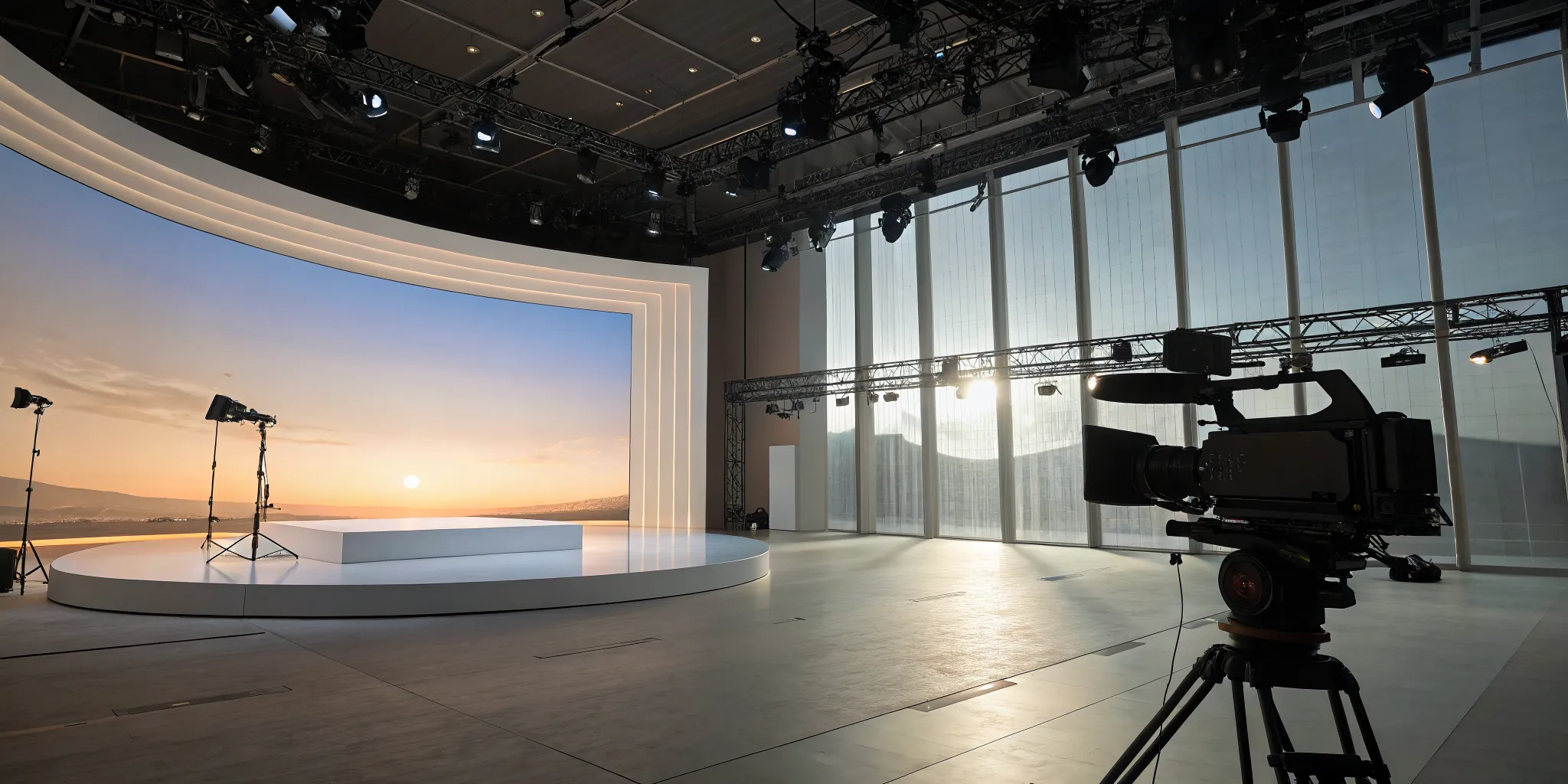

The Essential Guide to Virtual Production for Commercials
Location scouting headaches, weather delays, and the sterile void of a green screen are all familiar frustrations in commercial production. You build a buffer into your schedule and budget for the unexpected, hoping you can "fix it in post." But what if you could eliminate those variables entirely? Using virtual production for commercials offers a fundamental shift, giving you unprecedented control over your environment. This approach blends physical and digital worlds in real time, allowing you to capture near-final shots directly in-camera. It’s a strategic workflow that streamlines the entire process, from concept to final cut, giving you more creative freedom and predictability.
Key Takeaways
- Shift Your Focus to Pre-Production: The biggest change with virtual production is that most creative and technical work happens before you film. Committing to a detailed planning phase to build your digital worlds upfront is the key to an efficient shoot and predictable results.
- Make Creative Decisions in Real Time: Virtual production lets you see a near-final shot as you film, so you can adjust lighting, backgrounds, and camera angles on the spot. This immediate feedback gives you incredible creative control and helps align your team's vision during the shoot.
- Choose the Right Tool for the Job: Virtual production is a powerful solution, but it is not right for every project. It shines when creating fantastical worlds or simplifying complex location shoots, and your success will depend on choosing an expert partner who understands the entire process.
What is Virtual Production for Commercials?
Think of virtual production as a way to merge the physical and digital worlds right on the film set. Instead of shooting actors against a static green screen and imagining the final scene, this method uses massive, high-resolution LED walls to display dynamic, photorealistic backgrounds in real time. Actors can see and interact with the fantastical world or exotic location they’re in, making their performances more grounded and believable. For directors and clients standing on set, it’s a game-changer. You’re no longer guessing what the final shot will look like; you’re seeing a near-final version of it through the camera monitor as it happens.
This approach uses powerful game engine technology to create and control these digital environments. It gives creative teams an incredible amount of control during the shoot, allowing for instant changes to lighting, scenery, and camera angles without having to reset a physical set. It’s a production workflow that blends the traditionally separate stages of pre-production, filming, and post-production visual effects into one unified process. By offering a suite of creative and technical services, partners can help brands use this technology to build stunning commercial worlds with more efficiency and creative freedom than ever before. This integration means fewer surprises in post-production and a more collaborative, iterative environment on set, where creative ideas can be tested and refined on the spot.
How Does the Technology Work?
The magic of virtual production lies in how it reorders the traditional filmmaking process. In a typical shoot, much of the visual effects work happens in post-production, long after the cameras have stopped rolling. Virtual production flips this model on its head. A significant portion of the VFX work is front-loaded into pre-production, where digital artists build the virtual environments. During the shoot, these environments are displayed on the LED stage, and the final composite image is captured directly in-camera. This means you can make creative decisions about the digital world while you’re still filming, adjusting elements in real time to get the perfect shot.
The Core Tech: LED Walls, Camera Tracking, and Real-Time Rendering
Three core pieces of technology work together to make virtual production possible. First are the LED walls, which act as a living backdrop and the primary light source for the scene, wrapping the set in a digital environment. Next is camera tracking, a system that monitors the exact position and movement of the physical camera. This data is fed into the game engine, which adjusts the background’s perspective in real time to match the camera’s view, creating a perfect parallax effect that sells the illusion of depth. This is the same technology that helped bring the quantum realm to life in projects like Marvel Studios' Ant-Man and the Wasp: Quantumania.
Why Game Engines Are the Secret Sauce
At the heart of virtual production are real-time game engines, like Unreal Engine. This is the software that renders the complex digital worlds and displays them on the LED walls instantly. Originally designed for creating interactive video games, this technology gives filmmakers unprecedented control on set. With a game engine, you can change the time of day, move mountains, or adjust the weather with just a few clicks. This turns the set into a dynamic, interactive space. For a company with deep roots in game development, this technology is a natural extension of our expertise, bridging the gap between interactive entertainment and cinematic storytelling.
Virtual Production vs. Traditional Shoots
If you’re used to traditional film shoots, stepping into a virtual production environment feels like entering a whole new world. The core difference is simple: virtual production flips the entire filmmaking process on its head. Instead of fixing it in post, you perfect it in pre. This shift impacts every stage of your project, from initial concepts to the final cut, creating a more integrated and creatively flexible workflow. Let's break down how the process looks different from start to finish.
Rethinking Pre-Production
With a traditional shoot, pre-production involves scouting physical locations, planning for weather, and scheduling travel. Virtual production, however, front-loads the creative and technical work. Your "location" is a digital asset built long before anyone steps on set. This means your team's focus shifts to designing and finalizing these virtual environments. This phase is incredibly collaborative, bringing together directors, cinematographers, and VFX artists to make key decisions early on. This meticulous planning is a core part of our strategic services, ensuring every digital element is perfect before the cameras roll.
A New On-Set Workflow
On a traditional set, actors often perform against a green screen, imagining the world that will be added months later. Virtual production changes this entirely. Actors perform in front of massive LED screens displaying the final, photorealistic background in real time. This means everyone, from the director to the cast, can see the composite shot as it happens. This immediate feedback allows for on-the-fly adjustments to lighting, camera angles, and performance. Instead of waiting for dailies, you can make creative choices instantly, a process we used to help bring the Quantum Realm to life in projects like Ant-Man and The Wasp: Quantumania.
How It Changes Post-Production
The biggest win for many teams is the dramatically streamlined post-production phase. Because so many visual effects are captured in-camera, the lengthy and expensive VFX work that typically happens after a shoot is significantly reduced. Your post-production team can focus on editing, color grading, and final polishes rather than building entire worlds from scratch. This not only saves time and money but also reduces the risk of creative disconnects between what was shot and what gets created later. The result is a final product, like our work on Lollipop Racing, that gets to the finish line faster and with a clearer creative vision.
Why Use Virtual Production for Commercials?
Beyond the impressive technology, virtual production offers tangible benefits that can transform how you create commercials. It’s about more than just a new tool; it’s a strategic shift that gives creative teams unprecedented flexibility, control, and efficiency. For brands looking to create standout ads, this approach solves many of the logistical and creative headaches common in traditional filmmaking. From achieving impossible shots to streamlining your entire production process, the advantages are compelling. Let's look at the key reasons why brands are turning to virtual production.
Gain Creative Control in Real Time
One of the biggest game-changers with virtual production is the ability to see your final shot, complete with the digital background, as you film. Unlike a green screen, where you have to imagine the final result, an LED stage shows you exactly what the camera is capturing. This gives directors and clients the power to make creative decisions on the spot. You can adjust the lighting, move elements in the background, or change the time of day with a few clicks. This immediate feedback loop means you can experiment and refine your vision in the moment, ensuring the final product is exactly what you envisioned without waiting for post-production.
Achieve Perfect Lighting and Visuals
Virtual production gives you complete authority over your environment, especially the lighting. The LED walls emit light that interacts realistically with your actors and products, creating natural reflections and highlights that are difficult to replicate with a green screen. This is a huge advantage for commercials featuring reflective surfaces, like cars or electronics. You can also create the perfect "golden hour" and hold it for the entire day of shooting, or film a sunny beach scene while it’s raining outside. This level of control guarantees visual consistency and perfection, free from the unpredictability of weather and location scouting. It's how our teams help create complex visual environments with flawless lighting.
Unite Your Creative and Tech Teams
Traditionally, filmmaking happens in distinct phases: pre-production, shooting, and post-production. Virtual production blends these stages, creating a more collaborative and iterative workflow. Because the digital environments must be built before the shoot, it requires detailed planning and brings your creative and technical experts together from day one. This front-loaded process means your visual effects team is involved on set, making real-time adjustments alongside the director. This synergy breaks down departmental silos, fosters creative problem-solving, and ensures that the technical execution perfectly aligns with the creative vision throughout the project.
Create More Sustainable Productions
In a world where brands are increasingly focused on their environmental impact, virtual production offers a greener way to film. By bringing any location in the world (or out of it) to a single soundstage, you drastically reduce the need for travel for cast, crew, and equipment. This significantly cuts down on the production’s carbon footprint. It also minimizes the need to build and transport large physical sets, which often end up in a landfill. By consolidating the shoot into one controlled environment, you use fewer materials and resources, making virtual production a more sustainable and logistically simpler choice for building entire digital worlds.
Is Virtual Production Right for Your Commercial's Concept?
Virtual production is a powerful tool, but it’s not a one-size-fits-all solution. The real magic happens when the technology aligns perfectly with your creative vision. So, how do you know if it’s the right approach for your next commercial? Certain concepts are practically tailor-made for the LED volume, allowing you to achieve results that would be difficult, expensive, or even impossible with traditional methods. Let's look at a few scenarios where virtual production truly shines.
Fantastical Worlds and High-Concept Ideas
If you can dream it, you can build it in a virtual environment. This is where virtual production offers almost limitless creative freedom. Concepts that rely on otherworldly landscapes, futuristic cityscapes, or abstract, branded worlds are ideal candidates. Instead of being limited by physical locations or the high cost of building massive practical sets, your team can design and display any environment imaginable on the LED wall. This allows you to tell your brand's story in truly unique ways, immersing your audience in a world that is entirely your own. For IP holders, this means you can bring established fictional universes to life with incredible fidelity, ensuring every detail aligns with your established lore.
Complex Locations Made Simple
Does your concept involve a series of challenging locations? Maybe a shoot that moves from a sun-drenched beach to a snowy mountain peak, all in one day? Virtual production makes this possible without the travel budget of a blockbuster film. By swapping digital backdrops in a controlled studio, you eliminate the need to transport cast, crew, and gear to remote or inaccessible places. You also gain complete control over the elements. You can make "golden hour" last all day or shoot a summer scene in the middle of winter, all without worrying about weather delays. This streamlined process not only saves significant time and money but also offers a level of flexibility that traditional shoots simply can't match.
Showcasing Products and Automotive Brands
When your product is the hero, especially if it’s sleek and reflective, virtual production offers a distinct advantage over green screens. Automotive brands, in particular, have embraced this technology because LED walls provide realistic, dynamic lighting and reflections that are captured in-camera. Instead of dealing with green spill and artificially adding reflections in post-production, the vehicle interacts naturally with the light from the digital environment. This creates a more believable and visually stunning result. As one helpful guide for commercials notes, this is perfect for shiny products. The result is a polished, premium look that makes the product feel seamlessly integrated into its world, whether it's a winding coastal road or a futuristic city.
Let's Talk Budget: Is Virtual Production Cost-Effective?
The big question on every producer's mind is always about the bottom line. Is virtual production a budget-saver or a budget-breaker? The honest answer is: it’s complicated. Virtual production doesn’t just reduce costs; it redistributes them. Instead of spending heavily on location travel, set construction, and extensive post-production, you’ll invest more upfront in digital asset creation, technology, and specialized talent.
Think of it as shifting your spending from the physical to the digital realm. The real financial advantage comes from efficiency and predictability. By finalizing visual effects and environments before you even start rolling, you eliminate costly surprises in post-production and gain incredible control over your shooting schedule. For the right project, this trade-off can lead to significant savings and a much smoother production process. The key is understanding where you’ll save and where you’ll need to invest.
Where You'll Save Money
The most immediate savings in virtual production come from logistics. Imagine shooting scenes set in a desert, a bustling city, and a futuristic landscape all in a single day, from one studio. That’s the power of VP. You drastically cut down on expenses for travel, accommodations, and shipping gear to multiple locations. You also sidestep the need for location permits and the costs of building and tearing down large, elaborate physical sets. Plus, you’re no longer at the mercy of bad weather or the "golden hour," since you can create the perfect conditions on demand. This level of control allows you to pack more into your shoot days, saving valuable time and money, as seen in major productions like Ant-Man and the Wasp: Quantumania.
Where Costs Can Increase
While you save on logistics, you'll see costs rise in pre-production and personnel. Creating high-fidelity, real-time digital environments is an art form that requires significant time and resources before the cameras roll. This is where the bulk of the creative work happens. You’ll also need a highly specialized crew that understands the technology inside and out. This includes a Virtual Art Department (VAD) to design the digital worlds and an on-set team skilled in in-camera visual effects (ICVFX) to blend the live-action and virtual elements seamlessly. Finding and hiring this expert team is a critical investment, as their expertise is what makes the entire process work. This front-loaded approach requires a different budgeting mindset than a traditional shoot.
How to Budget for a Virtual Production Shoot
Budgeting for a virtual production shoot starts with your creative concept. Before you can run the numbers, you need to determine if VP is the right tool for your story. Does your commercial involve fantastical settings, difficult-to-access locations, or specific lighting conditions that would be a nightmare to shoot traditionally? If so, VP is a strong contender. The next step is to run a comparative analysis. Work with an experienced partner to map out the costs for both a traditional and a virtual production workflow. This will give you a clear picture of where your money is going in each scenario. A successful VP shoot relies on this strategic planning, which is why our services always begin with a deep dive into your project's unique needs.
Common Challenges in Virtual Production (and How to Solve Them)
Virtual production opens up a universe of creative possibilities, but it also introduces a new set of production challenges. Think of it less like a traditional film shoot and more like a live event where digital and physical worlds have to perform in perfect harmony. Success isn't about avoiding problems entirely; it's about anticipating them and having the right plan and people in place to solve them. From assembling a specialized crew to managing the nuances of light and color on an LED stage, every step requires a specific approach. Let's walk through the most common hurdles and, more importantly, how to clear them.
Assembling Your Tech Dream Team
A virtual production set is where creative artistry meets powerful technology, and your team needs to reflect that. You can't just hire a traditional crew and expect them to adapt on the fly. You need a specialized group of experts who are fluent in both filmmaking and real-time game engine technology. This includes a Virtual Art Department (VAD) to design and build your digital worlds, and an on-set ICVFX team that can seamlessly blend the live-action elements with the virtual background during filming. The key is to find a partner with an expert team that has a proven track record of bridging this gap and fostering collaboration from day one.
Solving Common Tech Hurdles: Moiré, Spill, and Color
Shooting on an LED stage can introduce unique visual artifacts that you wouldn't encounter on a traditional set. The good news is that they are all well-understood and solvable. You might see a wavy, shimmering pattern on the LED wall called moiré; this can often be fixed by adjusting the camera's focus or position. Another common issue is light spill, where physical lights on your set reflect off the LED screen and create unnatural shadows. Careful light placement and control are the solution here. Finally, ensuring the colors of your physical props and costumes perfectly match the digital environment requires meticulous color calibration. An experienced team knows how to manage these variables, as seen in our work on Ant-Man and the Wasp: Quantumania, to create a flawless final image.
The Right Space, Gear, and Infrastructure
You can’t just set up an LED wall in any studio. Virtual production requires a purpose-built stage, often called an LED volume, equipped with the right infrastructure to support it. This includes high-resolution LED panels, a robust camera tracking system, and powerful computers running the game engine in real time. The setup is designed to create an immersive environment where the digital world on the screens moves in perfect parallax with the camera. Many productions also use a hybrid approach, building small physical set pieces in front of the screens to ground the scene and give actors tangible elements to interact with. Having a partner with access to the right facilities and comprehensive services is critical.
Mastering the Pre-Production Timeline
With virtual production, the old mantra of "we'll fix it in post" is gone. Instead, the focus shifts to "perfecting it in pre." This is the single biggest workflow change for most teams. Because your digital environments need to be ready for the live shoot, the pre-production phase is significantly more intensive. All your 3D assets, virtual locations, and lighting schemes must be created, tested, and finalized before the cameras roll. While this requires more upfront planning and investment, the payoff is immense. It leads to a more efficient shoot, fewer surprises on set, and a dramatic reduction in post-production time and costs, as demonstrated in our work on Lollipop Racing.
Debunking Common Virtual Production Myths
Virtual production is a powerful tool, but it’s also surrounded by a lot of buzz and a few misunderstandings. As with any new technology, it’s easy for myths to take hold. Let's clear up some of the most common misconceptions so you can see where this technology truly shines and make an informed decision for your next project. Understanding what virtual production is, and what it isn't, is the first step toward using it effectively.
Myth: It's Just a Fancy Green Screen
This is one of the biggest myths out there. While both technologies replace a background, their methods are worlds apart. With a green screen, all the magic happens in post-production, where artists painstakingly key out the green and composite in a digital background. Virtual production flips this process on its head. It uses massive LED walls to display the digital environment right on set, allowing you to capture stunning in-camera visual effects in real time. This means your actors can see and react to the world around them, and the interactive lighting from the screens creates natural reflections and shadows on performers and props, something that’s much harder to replicate with a green screen.
Myth: It's Only for Huge Budgets
It’s true that virtual production has been famously used on massive blockbusters, but it’s not exclusively for nine-figure budgets. The key is to look at the entire budget, not just the upfront cost of the stage. Virtual production can lead to significant savings by eliminating the need for expensive location travel, permits, and crew accommodations. You also gain complete control over the environment, so you never lose a shoot day to bad weather. Because so many visual effects are captured in-camera, you can dramatically reduce post-production timelines and costs. This efficiency can make virtual production a surprisingly cost-effective choice, especially for commercials that need faster production times and high-concept visuals.
Myth: It Replaces Traditional Methods
Virtual production isn't here to make traditional filmmaking obsolete. Think of it as a powerful new tool in your creative toolkit, not a replacement for every other tool. The best approach depends entirely on your story. If your commercial relies on the authentic grit and texture of a real-world location, a traditional shoot is likely the right call. But if you need to create a fantastical world, shoot in multiple "locations" in a single day, or showcase a product in a perfectly controlled environment, virtual production is an incredible solution. The goal is to choose the method that best serves the creative vision, and having the strategic, creative, and technical expertise to guide that decision is what makes a project successful.
Your Blueprint for a Successful Virtual Production Shoot
A successful virtual production shoot doesn’t just happen; it’s built on a foundation of meticulous planning and smart execution. Unlike traditional shoots where you can sometimes "fix it in post," virtual production front-loads the creative and technical decisions. This shift requires a different mindset and a solid game plan. By focusing on a few key areas, you can create a smooth, efficient, and creatively fulfilling process from start to finish. Think of it as building a digital world with precision before you ever step on set. This blueprint will walk you through the essential steps to make your virtual production a resounding success, ensuring your creative vision comes to life exactly as you imagined.
Commit to a Detailed Pre-Production Phase
In virtual production, pre-production is everything. This is where you’ll invest the majority of your time and resources, building the digital assets and environments that will appear on the LED volume. Because these worlds need to be ready for filming on day one, a thorough and detailed planning phase is non-negotiable. Rushing this stage or working with a tight schedule can create significant problems down the line. A strong pre-production strategy involves finalizing your digital sets, textures, and lighting far in advance. This front-loaded effort allows your team to make critical creative decisions early, saving you from costly changes and delays once you’re on set with a full crew.
Leverage Previs and Techvis
Think of previsualization (previs) and technical visualization (techvis) as your digital rehearsal. Previs is a 3D animatic that maps out your shots, camera movements, and actor blocking within the virtual environment. Techvis takes it a step further, confirming that your creative plans are technically possible with the specific camera, lenses, and LED volume you’ll be using. Planning ahead with these virtual tools is crucial for making sure everything works smoothly and looks realistic on the day of the shoot. This process helps your entire team get on the same page, identify potential issues, and refine the creative approach before the clock starts ticking on set.
Align Creative and Tech Teams from Day One
Virtual production thrives on collaboration. The old model of siloed departments simply doesn’t work here. Your creative leads, like the director and cinematographer, need to work hand-in-hand with your technical artists from the very beginning. This includes the Virtual Art Department (VAD), which designs the digital worlds, and the on-set ICVFX team that blends the virtual and physical elements during filming. Getting these experts in the same room from day one ensures that the creative vision is always grounded in technical reality. This synergy is at the heart of our work at Arctic7, where our integrated teams ensure a seamless flow from concept to final pixel.
Master Your On-Set Environment
One of the biggest advantages of virtual production is the control it gives you. Shooting on an LED stage means you’re no longer at the mercy of weather, time of day, or the logistical challenges of remote locations. You can shoot a golden-hour scene for 12 hours straight or jump from a desert to a futuristic city in minutes. The LED screens also provide realistic lighting and reflections that interact naturally with your actors and products, something a green screen can’t replicate. This was essential in our work on projects like Ant-Man and the Wasp: Quantumania, where creating an immersive, otherworldly environment was key to the story.
Is Virtual Production the Right Move for Your Brand?
Deciding to use virtual production is a major strategic step. It’s a powerful technology that blends live-action filming with real-time computer graphics, but it isn’t the right fit for every project. The key is to weigh the incredible creative freedom against the unique demands of the workflow. When it works, it’s magic. You can shoot in multiple "locations" in a single day, control the weather, and make "golden hour" last as long as you need. This gives your creative team the ability to see a nearly final version of the shot right on set, which helps everyone align on the vision much earlier than in a traditional process.
However, this real-time flexibility requires a significant amount of planning upfront. Unlike traditional shoots where you can fix many issues in post-production, virtual production moves most of that work into pre-production. Before you commit, it’s important to understand if your project, timeline, and team are prepared for this shift. The right project paired with the right partner can lead to incredible results, but it’s a decision that requires careful thought. A partner with deep strategic, creative, and technical expertise can help you determine if it’s the best path for your brand’s story.
Key Questions to Ask Before You Commit
Before you jump into virtual production, take a moment to ask if it truly aligns with your goals. First, consider your creative concept. Does your idea rely on complex or fantastical worlds that would be difficult or impossible to build physically? If so, virtual production is a strong contender. Next, look at your timeline. Do you have the capacity for a detailed and rigorous pre-production phase? Creating the digital assets and environments takes time, so a rushed schedule can be a major roadblock. Finally, think about your brand's values. If sustainability is a priority, virtual production’s ability to reduce travel and physical set construction makes it an excellent, environmentally friendly choice.
How to Find the Right Virtual Production Partner
Choosing the right partner is arguably the most critical factor for success. You need a team that is fluent in both the creative and technical sides of the process. Look for a studio with proven experience, especially with their Virtual Art Department (VAD) and in-camera visual effects (ICVFX) teams. These are the people who will design your digital worlds and seamlessly blend virtual and live action during the shoot. Ask potential partners about their planning process and how they handle the shift in workflow. A great partner won’t just provide the technology; they will guide your team, anticipate challenges, and ensure that everyone is prepared for a new way of creating.
Related Articles
- A Brand's Guide to Unreal Engine Virtual Production
- How Does Virtual Production Work? A Creator's Guide
- The Virtual Production Workflow: A Practical Guide
- 5 Ways Virtual Production Deepens Brand Engagement
Frequently Asked Questions
My project has a tight deadline. Is virtual production faster than a traditional shoot? The timeline for virtual production is structured differently, not always shorter overall. It shifts the bulk of the work to the beginning of the project. You'll spend significantly more time in pre-production building and finalizing your digital worlds. The trade-off is that your on-set filming and post-production phases can be dramatically faster. Because the visual effects are captured in-camera, you can wrap a shoot that would normally take weeks of travel in just a few days and avoid a lengthy VFX process afterward.
What's the biggest mindset shift my team needs to make for a virtual production shoot? The most important change is moving away from the "we'll fix it in post" mentality. With virtual production, your mantra becomes "perfect it in pre." All major creative and technical decisions about your world, from the lighting to the landscape, must be made before you start filming. This requires your creative and technical teams to collaborate intensely from the very start, which is a different rhythm than a traditional shoot where departments often work in sequence.
Is virtual production only for big, fantastical worlds, or can it work for more grounded commercial concepts? While it’s perfect for creating sci-fi or fantasy settings, virtual production is incredibly versatile. It’s a powerful tool for commercials that need to showcase products, like cars, because the LED walls provide realistic lighting and reflections that are captured in-camera. It's also ideal for concepts that require perfect, repeatable conditions, like holding a "golden hour" sunset for an entire shoot day or filming on a pristine beach without worrying about weather or tourists.
Will virtual production actually save my project money? It’s less about saving money and more about reallocating it. You will likely spend less on travel, location permits, and physical set construction. However, you will invest more upfront in the pre-production phase to create the digital assets and hire a specialized crew. The financial benefit often comes from efficiency and predictability. You eliminate the risk of costly weather delays and can accomplish more in a single shoot day, which ultimately protects your budget from unexpected overages.
What is the first practical step I should take if I think virtual production is right for my commercial? The best first step is to analyze your creative concept with your team. Ask if your story truly benefits from the unique capabilities of an LED stage, such as creating an impossible world or simplifying complex logistics. Once you have a clear vision, your next move should be to consult with an experienced virtual production partner. They can help you conduct a comparative analysis, mapping out the costs and timelines for both a traditional and a virtual approach to see which path makes the most sense for your project.
New Immersive & XR Media Capabilities Added to Arctic7's Suite of Games, Film & TV and Digital Services

Arctic7 Shares Details of its Work on Skeleton Crew and Cinematics Partnership with Fateless

The Human Touch: Adding Personality to Project and Product Management
Whether it’s your team, your client, or your stakeholders, understanding the human dynamics is just as critical as hitting milestones.

McDonald's Case Study: Bridging Brand and Play | Arctic7
Bridging Brand and Play: An Interview with Lindsay Blenkhorn Daggitt