
Game Porting Cost: How to Build a Reliable Budget
A game porting cost estimate is only useful when it explains the work behind the number. A build that already runs cleanly on modern hardware may need focused adaptation and testing. A title with a custom engine, platform-specific systems, or unresolved performance issues can require a much broader engineering effort. The right budget connects technical scope, platform requirements, quality targets, and launch plans before production begins.
Talk to Arctic7 about building a practical game porting plan.
This guide explains the variables that shape budgets for PC, console, and mobile ports without relying on a one-size-fits-all price. It also provides a buyer checklist that publishers, developers, and IP holders can use to compare proposals and reduce surprises.
What determines game porting cost?
Game porting cost is determined by the gap between the current build and the target release. That gap includes more than making the game launch on another device. Teams must preserve the intended player experience while adapting input, performance, platform services, user interfaces, compliance requirements, and delivery pipelines.
A reliable estimate normally starts with a technical discovery phase. The porting team reviews the engine version, source code, plugins, build process, performance profile, content pipeline, online features, and known defects. It then maps those findings against the requirements for each target platform.
The strongest estimates separate known work from risk
Some tasks can be scoped with confidence, such as adapting controller prompts or integrating a defined platform service. Other tasks remain uncertain until engineers inspect the build or test it on target hardware. A useful proposal separates confirmed deliverables from risk allowances, dependencies, and assumptions. That makes tradeoffs visible instead of hiding them inside one headline figure.
Engine and codebase readiness shape the estimate
The condition of the original project is one of the largest cost drivers. Unity and Unreal Engine support multiple platforms, but engine support does not make every project portable by default. A mature project may include custom rendering, outdated plugins, platform-specific code, or systems built around the limits of its original device.
Engine version and platform support
An engine version that supports the target platform can shorten the path to a working build. If the project must move to a newer engine version first, the team may need to update APIs, replace plugins, revalidate assets, and test existing features for regressions. Engine migration and porting are related efforts, but they should be estimated separately so decision-makers can see what each requires.
Technical debt and build automation
Fragile code, undocumented dependencies, and manual build steps slow every phase of a port. Automated builds and repeatable test environments make defects easier to isolate and releases easier to reproduce. If those foundations are missing, the budget should include the work needed to create them. Arctic7's perspective on outsourced C++ game engineering provides more context on choosing technical support for complex codebases.
How do PC, console, and mobile budgets differ?
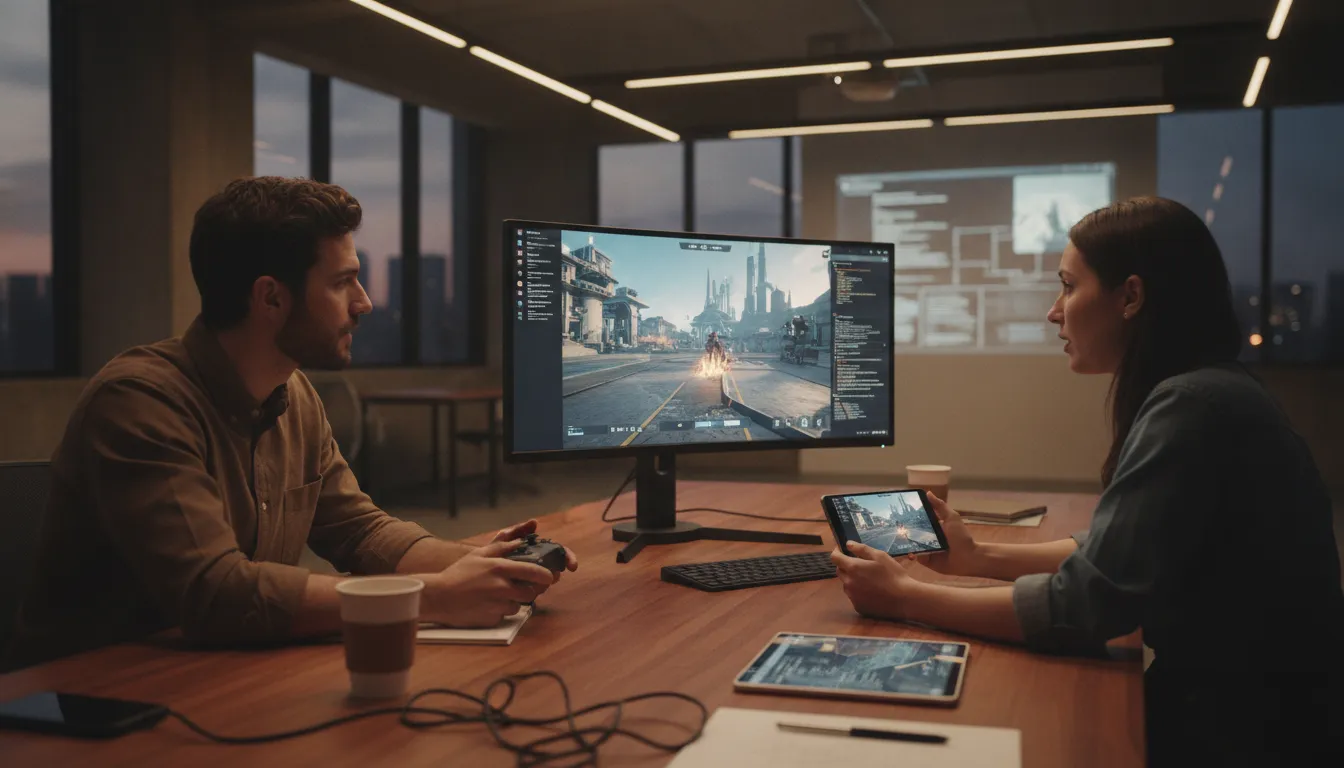
Each platform creates a different combination of technical work, compliance work, and testing coverage. A multi-platform plan should not simply multiply one estimate by the number of targets. Shared engineering can create efficiencies, but every platform still needs dedicated optimization and validation.
PC porting
PC releases must support a broad range of processors, graphics hardware, memory configurations, displays, input devices, and operating environments. The budget should define minimum and recommended specifications, graphics settings, input support, storefront integrations, and the hardware matrix used for testing. Wider compatibility targets increase QA coverage.
Console porting
Console projects work against fixed hardware, but they introduce platform SDKs, service integrations, certification requirements, and submission cycles. Achievements or trophies, user profiles, save behavior, suspend and resume, networking, entitlements, and error handling may all need platform-specific implementation. Access to development hardware and platform documentation must also be planned.
Mobile porting
Mobile ports often require the largest change to interaction and performance assumptions. Touch controls, varied screen sizes, memory limits, thermal behavior, battery use, download size, and a fragmented device market can affect scope. The team may also need to redesign interfaces or tune content rather than merely reduce graphics settings.
Explore the strategic benefits of bringing a PC game to new platforms.
Performance optimization needs its own workstream
A build that runs is not necessarily ready to ship. Performance work protects the feel of the original title under the constraints of the target hardware. It should have its own targets, profiling plan, and acceptance criteria within the budget.
CPU load, GPU load, memory use, storage access, shader behavior, network performance, and asset size can all become bottlenecks. Engineers may need to revise rendering features, improve streaming, adjust level content, rebuild shaders, compress assets, or simplify expensive systems. These decisions should protect the creative intent of the game rather than produce an inconsistent experience.
Define quality targets before estimating
Frame rate, resolution, visual settings, load times, supported player counts, and device coverage should be defined early. Without clear targets, optimization can become an open-ended effort. A porting partner should explain how it will profile the build, prioritize bottlenecks, and confirm that final results meet agreed standards.
How certification and QA affect game porting cost
QA is not a final pass added just before launch. It runs throughout the port and expands with every target platform, hardware configuration, language, and online feature. Regression testing confirms that changes made for one target do not break another part of the game.
Console certification adds a separate compliance layer. Platform holders require games to handle system behavior, user accounts, connectivity, storage, errors, and other platform features correctly. A failed submission can add remediation and schedule pressure, so the budget should include compliance testing and a realistic allowance for submission cycles.
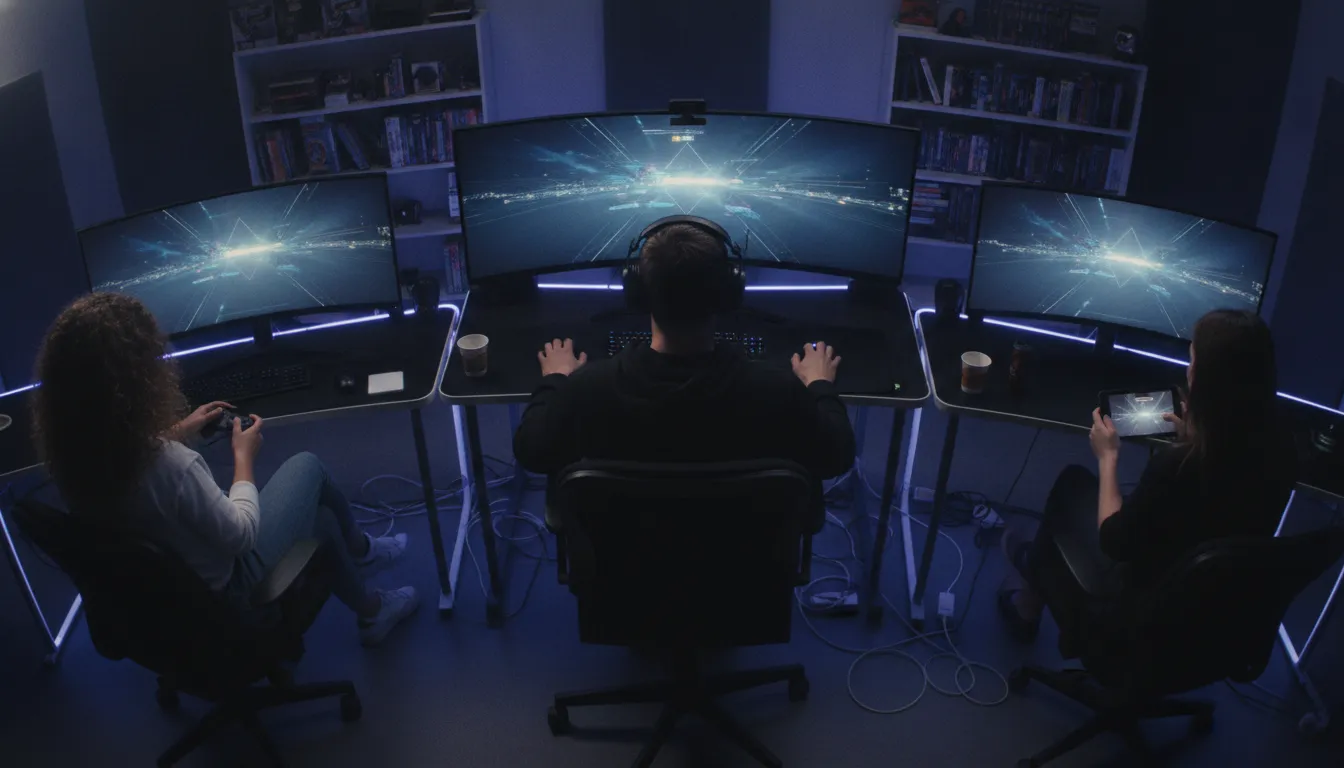
Ask for a test matrix and exit criteria
A proposal should identify the devices, configurations, features, and release candidates that will be tested. It should also state who owns defect triage, what severity levels block release, and how the team will report progress. These details make QA effort measurable and help stakeholders understand the effect of scope changes.
Plan for localization and post-launch support
Localization affects more than translated text. New languages can change interface layouts, fonts, subtitles, voice assets, content packaging, and QA coverage. The budget should identify target languages, source asset readiness, implementation responsibilities, and linguistic testing requirements.
Launch is also not the end of the porting lifecycle. Platform updates, new content, live operations, bug fixes, and changes to the original game may need to flow into each port. Define a post-launch support window and decide how future updates will be managed. Arctic7 offers game development, co-development, and post-launch support for teams that need an adaptable delivery model.
Account for dependencies outside the porting team
Approvals, source asset delivery, access to platform accounts, third-party middleware support, and decisions from the original development team can all affect the schedule. A strong plan assigns an owner and deadline to each dependency. This protects the budget from delays that engineering alone cannot resolve.
A buyer checklist for a reliable porting budget
Use the following checklist before comparing game porting services. It helps ensure that proposals describe the same outcome and that lower estimates are not simply omitting important work.
- Define the target release: List platforms, storefronts, regions, languages, quality targets, and desired launch windows.
- Provide a representative build: Share source access, engine details, plugins, build instructions, known defects, and performance data under appropriate agreements.
- Request technical discovery: Ask how the partner will assess the codebase and turn unknowns into scoped work.
- Separate platform scopes: Identify shared engineering and platform-specific implementation for PC, console, and mobile.
- Define optimization goals: Agree on frame rate, resolution, load time, memory, and device coverage targets.
- Review the QA plan: Confirm test matrices, regression coverage, compliance checks, defect ownership, and release criteria.
- Include certification: Clarify submission ownership, documentation, remediation, and assumptions about submission cycles.
- Plan localization: Specify languages, asset formats, implementation, and linguistic QA.
- Map dependencies: Name the people responsible for approvals, platform access, source assets, and third-party systems.
- Agree on change control: Define how new requests affect budget, scope, and timing.
- Set post-launch expectations: Include warranty periods, updates, live support, and handover documentation.
A capable partner should make the estimate easier to understand, not harder. Review relevant delivery experience as well as the number. Arctic7's selected projects show the breadth of its work across games and connected entertainment experiences.
See how Arctic7 combines strategy, creative execution, and technical expertise.
Frequently asked questions
How much does it cost to port a game?
There is no reliable fixed price for every game port. Cost depends on the original codebase, target platforms, performance goals, platform integrations, certification, QA coverage, localization, and post-launch requirements. A technical discovery phase is the best way to build an estimate around the actual project.
What information is needed for a game porting estimate?
A porting team typically needs the target platforms, engine and version, representative source build, plugin and middleware list, build instructions, performance profile, known issues, online features, desired languages, quality targets, and launch goals. Better technical access produces a more useful estimate.
Why can console certification increase the budget?
Console releases must meet platform-specific technical requirements and pass a formal submission process. The porting plan must include compliance implementation, testing, submission preparation, and time to resolve any issues identified during review.
Can one porting team handle PC, console, and mobile?
Yes, but the proposal should show how the team will manage shared engineering alongside platform-specific work. Each target still needs its own performance goals, integrations, test coverage, and release process.
When should post-launch support be planned?
Post-launch support should be defined during budgeting. Teams should agree on the support window, defect response, platform updates, new content, live operations, and how changes to the original game will be applied across ports.
Build the budget around the release you want
A dependable porting budget is a delivery plan expressed in commercial terms. It explains what must change, what quality means on each platform, how the release will be validated, where uncertainty remains, and who owns each decision. That clarity helps studios and IP holders protect the player experience while expanding a game to new audiences.
Arctic7 supports games across mobile, PC, and console through full development, co-development, technical services, and post-launch support. Discuss your game development and porting goals with Arctic7 to shape a plan around your codebase, platforms, and long-term ambitions.
New Immersive & XR Media Capabilities Added to Arctic7's Suite of Games, Film & TV and Digital Services

Arctic7 Shares Details of its Work on Skeleton Crew and Cinematics Partnership with Fateless

The Human Touch: Adding Personality to Project and Product Management
Whether it’s your team, your client, or your stakeholders, understanding the human dynamics is just as critical as hitting milestones.

McDonald's Case Study: Bridging Brand and Play | Arctic7
Bridging Brand and Play: An Interview with Lindsay Blenkhorn Daggitt