
Entertainment IP Acquisition Strategy: Due Diligence
Acquiring entertainment IP is not simply a matter of finding a recognizable title. The harder question is whether the property can retain its creative identity while supporting distinct experiences in games, film, and television. That answer depends on evidence: the strength of the core promise, the depth of the world, the audience relationship, the rights position, and the practical ability to produce across formats.
An entertainment IP acquisition strategy is a structured way to test whether a property is creatively expandable, operationally usable, and commercially relevant before a deal advances. It should guide creative and production diligence, while specialist counsel handles title, chain of ownership, tax, and valuation questions.
WIPO describes intellectual property as an intangible asset that can be identified, transferred, legally protected, and evaluated for future commercial use. That makes disciplined diligence the bridge between an appealing concept and a defensible acquisition decision. Start by defining what the property actually is, what makes it distinctive, and which evidence supports its potential beyond its original format.
Explore Arctic7's virtual production capabilities for cross-platform IP.
What Is an Entertainment IP Acquisition Strategy?
An entertainment IP acquisition strategy is a pre-acquisition framework for deciding whether a property is creatively expandable, operationally supportable, and worth pursuing. It tests the storyworld, audience evidence, rights readiness, production realities, and material risks before a buyer commits, while leaving valuation, tax, title, and enforceability conclusions to specialist advisers.
The distinction matters. Post-acquisition expansion planning assumes that rights are already controlled and focuses on what to make next, for which audience, and on which platform. Acquisition-stage strategy asks a more fundamental question: what exactly is being acquired, and can its promise survive disciplined development across games, film, television, or other formats?
Start with the asset, not the adaptation list
Begin by defining the property as a set of identifiable assets and rights. Which characters, settings, story materials, recordings, designs, brands, and audience relationships are included? What is excluded? The World Intellectual Property Organization notes that intangible assets can be independently identified and transferred, with an economic lifespan. Its framework also points to tangible evidence such as contracts, licences, registrations, or financial records. That makes a documented rights map more useful than a compelling pitch deck alone.
Next, conduct a creative and operational audit. Does the property have a coherent narrative engine, durable character motivations, and clear creative guardrails? Could different formats add perspective without weakening the core experience? Are there production partners, technical capabilities, schedules, and governance processes capable of delivering that ambition? A stage-gate framework for IP development can help structure those questions without confusing readiness with a final greenlight.
Questions for the acquisition team
- Which audience signals are verified, and which are assumptions?
- What evidence supports repeat engagement beyond the current release or community?
- Where could the property travel naturally across formats, and where would expansion feel forced?
- Which dependencies could delay development, including creator availability, existing commitments, or incomplete documentation?
This creative and operational view should sit alongside, not replace, specialist legal and financial diligence. Counsel and advisers must assess chain of title, licences, restrictions, liabilities, tax, valuation, and transaction structure. The strategy's role is to reveal whether the acquired rights can support a credible, interconnected entertainment ecosystem after those professional reviews are complete.
How Do You Test Strategic Fit Before Acquiring Entertainment IP?
Before price, territory, or platform plans enter the conversation, ask whether the property deserves a place in your portfolio. Strategic fit is the connection between what the IP promises, what audiences may need from it, and what your organization can credibly develop without weakening its identity.
That assessment should answer five questions: Is there a clear core promise? Does the world contain enough depth for sustained attention? Is there a defined audience problem or desire? Can the property create a distinctive experience? And does owning it support a strategic rationale beyond enthusiasm for the concept?
Start with the core promise
Reduce the property to one sentence that describes the experience, not merely its plot or format. A strong promise tells decision-makers why this world matters to an audience and what makes its emotional or imaginative appeal durable. If the description changes materially between the film, game, and licensing teams, the acquisition case may be built on different assumptions.
Test world depth and distinctiveness
Review the characters, conflicts, rules, settings, and unanswered questions that give the property room to breathe. Depth does not mean adding lore for its own sake. It means the world can support meaningful experiences with different levels of participation while preserving a recognizable identity. Distinctiveness matters just as much: identify the creative choice, audience relationship, or experience competitors cannot easily reproduce.
Separate genuine expansion potential from a list of possible formats. A game, series, or interactive experience should have a reason to exist within the world, rather than serving as a decorative extension. A clear transmedia content strategy can help teams assign each format a distinct role before they test assumptions in sequence.
Define the strategic rationale
Map the property against your actual objectives. It might strengthen an existing audience relationship, add a distinctive world to a portfolio, create a bridge between creative capabilities, or open a credible route into a priority market. Write the rationale in operational terms, then identify what must be true for it to hold. Do not confuse broad enthusiasm with evidence that the acquisition fits your capabilities, partners, and risk tolerance.
Use stop and go signals
Go signals include a coherent promise, identifiable audience need, defensible distinctiveness, and a world whose creative rules remain clear under scrutiny. Stop or pause signals include unresolved contradictions in the premise, dependence on one untested format, thin character motivation, unclear audience ownership, or an expansion case that relies on unsupported revenue assumptions. At this stage, a stop signal is useful discipline. It prevents a compelling property from moving into legal, financial, or production diligence before its strategic case is coherent.
Which Rights and Ownership Questions Should Buyers Resolve?
Before an acquisition advances, buyers should establish what can actually be developed, where, for how long, and under which conditions. This creative-operational review does not replace specialist legal diligence. Qualified legal counsel must verify title, chain of ownership, registrations, encumbrances, contractual authority, and transferability in the relevant jurisdictions.
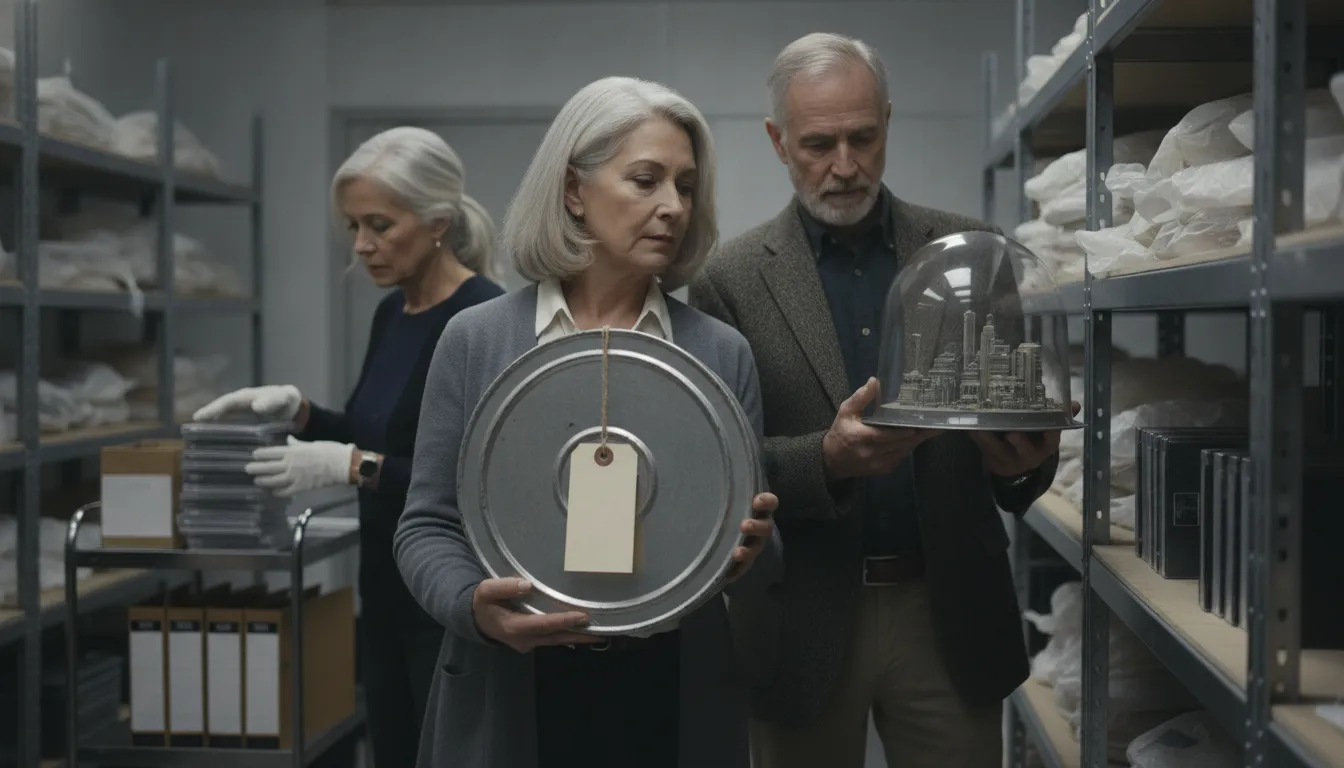
WIPO describes identifiable, transferable, legally enforceable intangible assets as having an economic lifespan. Its guidance also emphasizes tangible evidence, such as contracts, licenses, registrations, or financial records, and an identifiable point at which the asset was created. Those principles provide a useful diligence frame, not a substitute for legal advice. Read WIPO's guidance on IP assets and valuation.
Authority and scope
- Who can authorize development? Identify the owner, controlling entity, licensors, creators, heirs, lenders, and other parties whose consent may matter. Ask whether the seller has authority to grant or transfer each proposed right.
- Which territories are covered? Map countries and regions separately. A right may be available in one territory but licensed, reserved, or restricted elsewhere.
- What is the term? Record commencement dates, expiration dates, renewal mechanics, reversion clauses, and any windows that could affect a planned release.
- Which formats are included? Separate rights for film, television, games, publishing, live experiences, merchandise, and digital content. Do not assume that ownership of one expression includes every adaptation or exploitation right.
Restrictions, obligations, and evidence
Review approval rights, exclusivity, reserved rights, moral-rights considerations, credit obligations, talent commitments, minimum guarantees, delivery requirements, and existing partner obligations. Build an evidence register that connects each claimed asset to its supporting agreement, registration, delivery record, or other source. WIPO notes that an asset should be separately identifiable and capable of legal enforcement and transfer, which makes this register valuable for the broader entertainment franchise risk management process.
Finally, test transferability in practice: what changes after closing, which consents are required, and what obligations follow the asset? Escalate unresolved gaps to counsel. Creative teams can assess whether the rights package supports the intended storyworld and production plan, but they should never declare title clear or offer a legal opinion.
How Do You Evaluate Audience and Cross-Format Expansion Potential?
Audience evidence should answer more than whether a property has fans. It should show which audience problem the IP solves, which platform can address it, and whether each format adds a distinct experience. A credible evaluation connects observed demand to format fit without treating early engagement as a guarantee of commercial performance.
Start by defining the platform job. A game may invite repeated participation and agency; a film may concentrate a story into a high-impact entry point; television may build familiarity and sustained narrative attention. The question is not whether a property can be placed everywhere. It is whether its world, characters, and rules can support meaningful participation in each chosen medium without dilution.
Then separate demand signals by quality. Look for audience behavior, retention, search interest, community discussion, completion patterns, and responses to comparable content. Record the source, time period, sample limitations, and what each signal actually measures. Wharton's account of Fox Entertainment's analytics work is a useful benchmark: the project sought in-house capability rather than dependence on third-party vendors, with digital media decisions informed by promotional and social data from the 50 days before television premieres. Its process included data cleansing, exploratory analysis, unsupervised learning, and supervised modeling. Read the Wharton case study.
Use WIPO's value principles as a discipline, not a revenue promise. Potential value may relate to exclusion rights, measurable benefits, enhancement of associated assets, or future benefits, but those propositions require evidence and specialist valuation. A rights audit should identify what can be used, by whom, and under which constraints. A review of intellectual property monetization strategies can broaden the question without turning a creative hypothesis into a forecast. Creative diligence should remain separate from legal title, chain-of-ownership, tax, and financial advice.
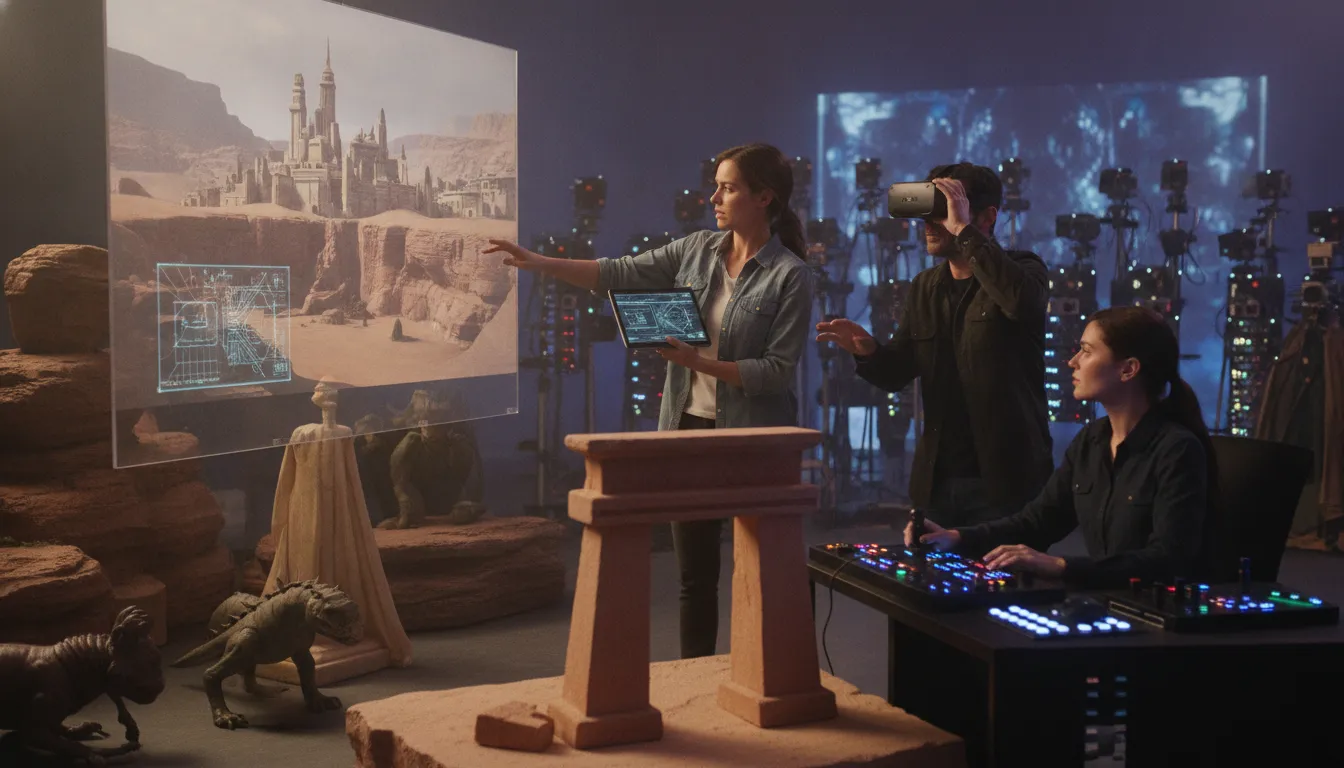
Finally, score expansion readiness against explicit gates: audience need, platform job, format fit, evidence quality, rights clarity, and operational capability. A stage-gate framework for IP development can help make those judgments visible before acquisition decisions become commitments. The strongest entertainment IP acquisition strategy preserves uncertainty where evidence is weak and invests in deeper validation before assigning a value conclusion.
What Does Production Readiness Reveal About an IP Acquisition?
Production readiness shows whether an IP can move from an attractive concept to a coordinated, repeatable expansion across games, film, television, and related experiences. It exposes the capabilities, decisions, dependencies, and governance required to protect the story while making delivery practical. This is creative and operational diligence, not a substitute for legal or financial advice.
Before an acquisition, production readiness reveals whether the property has an executable path to growth. It tests the gap between what the concept promises and what the current team, partners, workflows, and prototypes can actually support.
Look for capability gaps, not just creative potential
A compelling world may still lack the production architecture needed to expand. Assess which capabilities exist in-house and which depend on outside partners: game development, virtual production, cinematic storytelling, technology, design, writing, and audience insight. Then identify the handoffs between them. A dependency that is invisible in a pitch can become a schedule, quality, or continuity risk after acquisition.
Review prototypes and working materials as evidence of behavior, not decoration. A playable slice, production test, narrative bible, or format treatment can show whether the team has translated the premise into repeatable decisions. The key question is not whether one demonstration is impressive, but whether the underlying workflow can produce the next asset without losing the IP's identity.
Test governance and partner fit
Production readiness also depends on who makes decisions when formats compete. Look for clear creative guardrails, ownership of approvals, escalation paths, and a shared definition of what must remain consistent across the ecosystem. An acquisition candidate may have excellent specialists yet lack the unified strategy needed to coordinate them.
Arctic7 approaches this assessment through workshops, a narrative audit, and a unified strategy that maps story functions, platform roles, capability gaps, and partner requirements. The output is a practical view of what can be executed now, what needs investment, and what should be staged. For the wider question of choosing a multi-platform production partner, this distinction helps separate genuine fit from attractive credentials. If the plan includes a game, evaluate game development partners against the same creative and operational gates.
Keep the boundary explicit: lawyers should verify title, chain of ownership, permissions, and transferability, while financial specialists should assess valuation and transaction economics. Production readiness answers a different question: can the acquired IP become an interconnected entertainment ecosystem through accountable creative and operational execution?
Build an Entertainment IP Acquisition Strategy Scorecard
A practical scorecard turns creative ambition into an accountable acquisition decision. It helps a deal team compare the property's strategic fit, rights evidence, audience signals, format opportunities, production readiness, economics handoff, and risk. It does not replace specialist legal, tax, or financial advice; it shows where that diligence must go next.
| Dimension | What to test | Evidence to request | Decision signal |
|---|---|---|---|
| Strategic fit | Does the IP support the buyer's audience, portfolio, capabilities, and long-term rationale? | Core promise, world bible, audience definition, strategic objectives, and a clear reason to acquire now. | Proceed when the property strengthens a defined strategy, not merely because it is recognizable. |
| Rights evidence | Can the asset and its relevant rights be clearly identified and traced? | Contracts, licenses, registrations, chain-of-ownership records, territory and term details, restrictions, and obligations. | Escalate gaps to specialist legal counsel before relying on creative or commercial assumptions. WIPO identifies tangible evidence as a basic valuation diligence requirement: review its IP valuation guidance. |
| Audience | Is there credible evidence of who engages with the IP, why they return, and where demand appears? | First-party audience data where available, engagement patterns, market research, community signals, and prior campaign learnings. | Advance when audience evidence supports a specific expansion hypothesis, not a broad claim of universal appeal. |
| Format potential | Can the premise travel across games, film, television, or other formats without weakening its identity? | Character and world analysis, format treatments, creative guardrails, adaptation constraints, and platform-specific questions. | Look for complementary format roles and a coherent interconnected ecosystem rather than simple repetition. |
| Production readiness | Can the buyer or its partners execute the opportunity with appropriate workflows and governance? | Prototype or development materials, capability gaps, production dependencies, approval paths, and partner requirements. | Move forward when the operating model is credible and unresolved dependencies have named owners. |
| Economics and valuation handoff | What commercial questions require formal valuation, forecasting, or transaction analysis? | Revenue history where verified, licensing records, cost assumptions, comparable transaction inputs, and the proposed diligence brief. | Hand the evidence to qualified finance and valuation specialists. Do not turn creative potential into an unsupported price. |
| Risk | What could limit audience trust, rights usability, production feasibility, or cross-format expansion? | Restriction register, reputational considerations, dependency map, scenario assumptions, and mitigation owners. | Use explicit stop, proceed-with-conditions, or proceed signals. A focused entertainment franchise risk management review can structure this handoff. |
The scorecard is most useful when each row ends with a named owner, a missing item, and a next decision date. That discipline keeps an attractive premise from outrunning the evidence needed to acquire and responsibly develop it.
From Due Diligence to a Responsible Expansion Roadmap
A responsible roadmap converts diligence into conditional decisions: proceed, refine, pause, or stop. It separates creative and production readiness from specialist legal and financial advice, then tests the most important assumptions through a defined discovery or prototype step. The result is not a promise of expansion, but a governed path that preserves optionality.
Start by recording the decision and its conditions. Proceed when the IP's core promise, audience rationale, rights evidence, and production requirements align. Refine when the opportunity is credible but the world logic, format role, audience evidence, or creative guardrails need work. Pause when a dependency is unresolved, such as a key approval, partner obligation, or technical capability. Stop when a material risk cannot be mitigated without changing the property's identity or the transaction's rationale.
- Record the decision, evidence, conditions, and unresolved questions.
- Assign legal, financial, creative, and production owners to the right diligence work.
- Test the highest-risk expansion assumption through a bounded discovery sprint or prototype.
- Set a decision date and choose proceed, refine, pause, or stop.
Legal counsel should handle title, chain of ownership, territory, term, exclusivity, encumbrances, and transferability. Financial and valuation specialists should test the economic assumptions, income attribution, and transaction structure. WIPO notes that an IP asset should be separately identifiable and supported by tangible evidence such as a contract, license, registration, or financial record. Those checks inform the roadmap, but they are not substitutes for specialist advice.
Make the next step testable
Define a bounded discovery sprint or prototype around the highest-risk assumption. That might mean testing a narrative premise, mapping a platform-specific audience experience, or proving a production workflow before committing to a larger program. Assign an accountable owner, required inputs, approval rights, and a decision date. A shared stage-gate framework for IP development can make those dependencies visible without locking the buyer into every future format.
Arctic7 can support the creative and operational bridge from narrative audit to aligned deliverables and platform-specific production. The appropriate role is to help clarify what the IP can responsibly become while legal, financial, and ownership questions remain with the relevant specialists.
Frequently Asked Questions
What should buyers evaluate when acquiring entertainment intellectual property?
Evaluate the property's distinctive promise, audience evidence, world depth, format flexibility, production requirements, stakeholder alignment, and expansion risks. Review creative and operational readiness separately from specialist legal diligence on title, chain of ownership, territories, terms, and restrictions.
What rights should be included in an entertainment IP acquisition?
The answer depends on the transaction and jurisdiction, so qualified counsel should review the agreement. At a strategic level, buyers should map authority, territories, term, media and format rights, exclusivity, reserved rights, approvals, obligations, existing licenses, and evidence supporting each claimed right.
How can an entertainment IP expand across games, film, and television?
Start with the core promise and identify which elements can travel across formats without weakening the original experience. Then assign each medium a clear audience job, creative guardrails, production model, and dependency plan. Expansion should be sequenced around readiness, not treated as simultaneous adaptation by default.
How do you assess the commercial potential of an entertainment IP?
Test whether the IP can create measurable benefits through direct products, licensing, or partnerships, while examining audience behavior, competitive differentiation, and execution costs. WIPO notes that IP value reflects potential future economic benefits, but a formal valuation should be handled by qualified financial and valuation specialists.
Ready to Explore Your IP's Expansion Potential?
A disciplined acquisition review can clarify where an entertainment property is ready to travel across games, film, and television, and where deeper diligence is still needed. Arctic7 can help connect narrative opportunity with practical cross-platform production thinking, without replacing specialist legal or financial advice.
New Immersive & XR Media Capabilities Added to Arctic7's Suite of Games, Film & TV and Digital Services

Arctic7 Shares Details of its Work on Skeleton Crew and Cinematics Partnership with Fateless

The Human Touch: Adding Personality to Project and Product Management
Whether it’s your team, your client, or your stakeholders, understanding the human dynamics is just as critical as hitting milestones.

McDonald's Case Study: Bridging Brand and Play | Arctic7
Bridging Brand and Play: An Interview with Lindsay Blenkhorn Daggitt