
How to Hire a Virtual Production Company: A Smart Guide
You already know that virtual production is the future of storytelling. The real question isn't if you should use it, but who you should trust to help you execute it. The market is quickly filling with studios claiming to be experts, making it difficult to distinguish the true pioneers from the newcomers. Choosing the right partner is the single most important factor for a successful outcome. To confidently hire a virtual production company, you need a clear framework for evaluating their capabilities, experience, and collaborative spirit. Think of this as your checklist for vetting potential partners, ensuring their team, tech, and workflow are a perfect match for your ambitious vision.
Key Takeaways
- Embrace the Pre-Production Shift: Success in virtual production means doing the heavy lifting upfront. Finalize your digital assets, storyboards, and creative decisions before filming begins to gain maximum control on set and capture final shots in-camera, saving significant time and money later.
- Vet the Team, Not Just the Tech: The right partner is more than their LED screen. Prioritize a team with proven experience in both filmmaking and real-time technology, a strong portfolio, and a transparent workflow to ensure they can be a true creative extension of your own crew.
- Your Prep Dictates the Pace: A smooth virtual production shoot depends on your own preparation. Arrive with finalized digital assets and clear technical specs to empower your partner, prevent costly on-set delays, and keep the focus on creative execution rather than problem-solving.
What Does a Virtual Production Company Do?
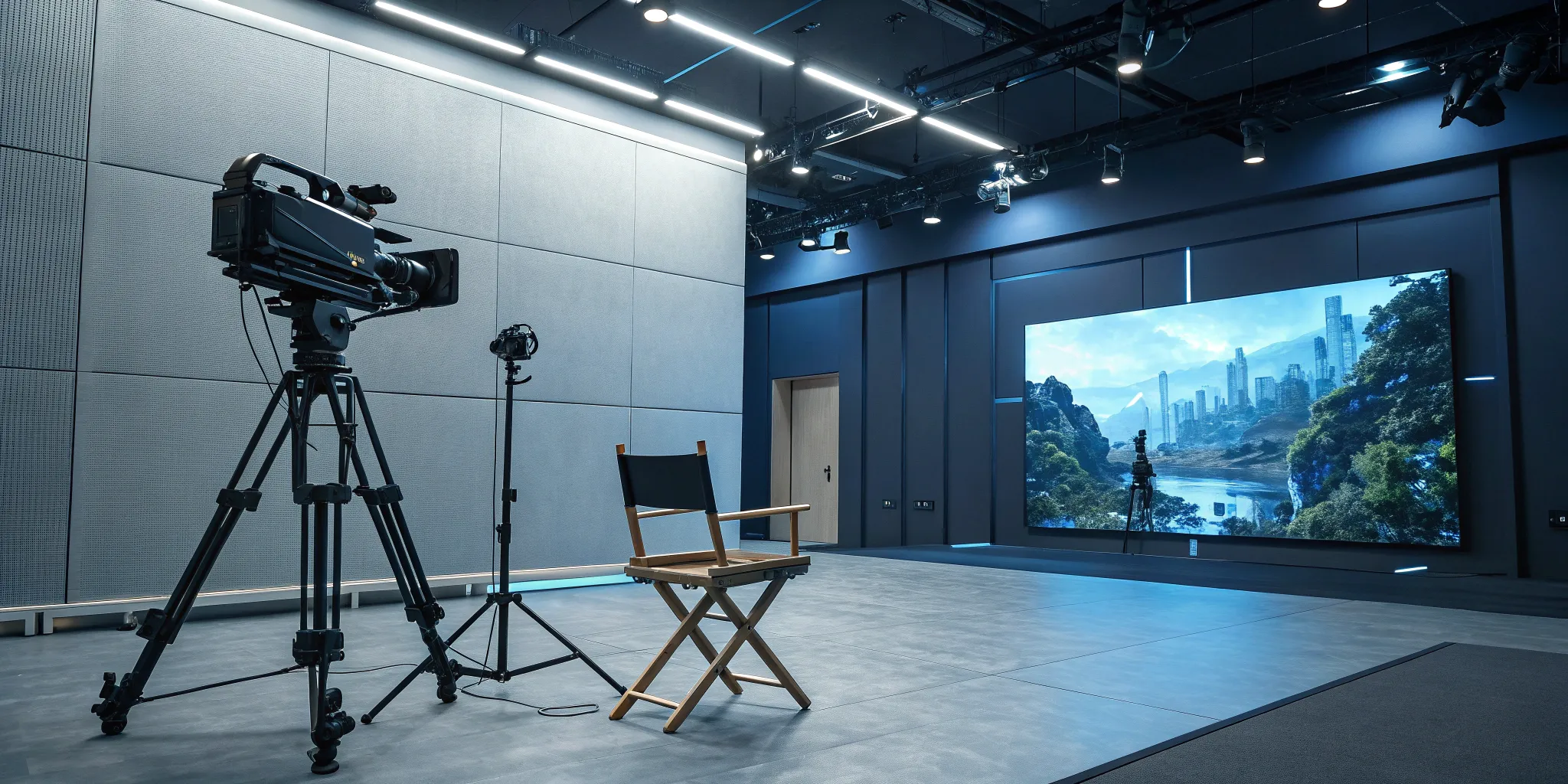
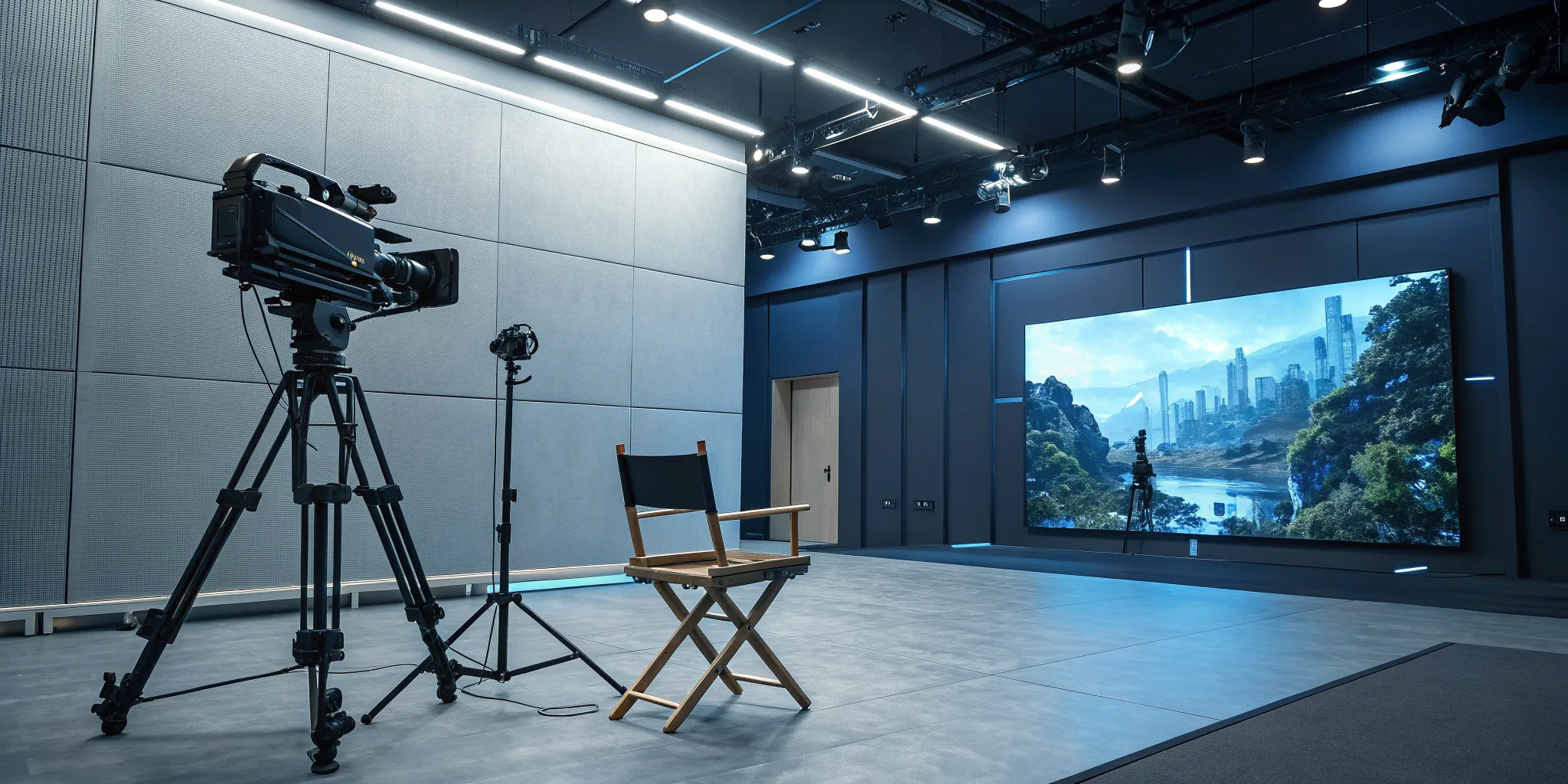
Think of a virtual production company as your technical and creative partner for bringing ambitious worlds to life. They specialize in blending physical and digital filmmaking techniques in real-time, which means you can see your final shot, complete with visual effects, right on set. This approach moves a huge chunk of post-production work into the pre-production and production phases, giving you more creative control and saving you from costly surprises down the line. Instead of guessing what a scene will look like against a green screen, you're filming within a dynamic, digital environment. It’s a fundamental shift in how stories are made, and these companies are the experts who make it happen.
Key Services and Capabilities
A good partner offers more than just access to an LED stage. They provide end-to-end support, guiding you from initial concept to final shot. This often includes services like 3D animation, motion capture, and specialized filming technologies that create truly immersive experiences. Top-tier companies assist with every step of the process, from planning and design to on-set execution, ensuring a smooth workflow. They also offer specialized hardware solutions, such as massive LED volumes that replace traditional green screens with photorealistic, interactive backgrounds, giving your actors a world to react to and your director a clear vision of the final product.
The Tech and Tools They Use
The magic of virtual production relies on a powerful combination of software and hardware. At the core is a real-time game engine, like Unreal Engine, which is used to create and render the virtual worlds displayed on the LED screens. To capture the action, companies use advanced tools like robotic camera arms for precise, repeatable movements and motion capture systems for realistic character animation. Some even offer mobile virtual production studios that bring all the necessary gear—LED screens, servers, and expert crew—directly to your location. This tech stack is what allows filmmakers to shoot final-pixel imagery in-camera, dramatically speeding up the entire production pipeline.
Why Partner with a Virtual Production Company?
Deciding to bring in a virtual production partner is about more than just accessing cool tech; it’s a strategic move that can fundamentally change how you create. Instead of wrestling with the logistics of location shoots or the guesswork of green screens, you can focus on what truly matters: the story. Partnering with a specialized company gives you access to a team of experts who live and breathe this technology, along with the high-end gear needed to execute your vision flawlessly. It’s about transforming your creative process from one of limitation to one of pure possibility, where your world-building is only constrained by your imagination, not your budget or physical reality. This shift allows you to be more ambitious, efficient, and collaborative from pre-production all the way through the final shot.
Save Time and Money
Let’s get straight to the point: budgets and deadlines are everything. Virtual production offers a powerful solution to both. By swapping physical location shoots for digital environments on an LED stage, you can eliminate travel costs, location permit fees, and weather-related delays. Everything is controlled. This efficiency is why the market for virtual production tools is growing so rapidly. You can shoot scenes set in multiple "locations" around the world in a single day, on a single stage. This drastically shortens production schedules and reduces the overall cost. Plus, since so much of the visual effects work is captured in-camera, you spend less time and money on complex post-production fixes.
Gain Creative Freedom and Collaborate in Real-Time
Imagine your director, cinematographer, and actors all seeing the final, composited shot live on set. That’s the reality of virtual production. Unlike a green screen, where everyone has to imagine the final environment, an LED volume displays the world in real-time. This allows for immediate creative decisions. Your team can adjust lighting, camera angles, and even environmental elements on the fly, seeing the results instantly. This creates a deeply collaborative environment where creative choices are made with confidence. Actors can react to the world around them, leading to more authentic performances, and your creative leads can ensure every shot aligns perfectly with their vision before moving on.
Tell Bigger, Bolder Stories
Virtual production empowers you to bring your most ambitious ideas to life. Whether you’re creating a futuristic cityscape or a fantastical alien jungle, the technology gives you complete control over the world you’re building. You can craft highly realistic backgrounds and immersive environments that would be impossible or prohibitively expensive to build or find in the real world. This level of control allows you to tell bigger, bolder stories that truly captivate your audience. By leveraging cutting-edge virtual production services, you can create any atmosphere you can dream up, ensuring the setting is as compelling as your characters and narrative. It’s the ultimate tool for IP holders looking to expand their universes in visually stunning ways.
How to Choose the Right Virtual Production Partner
Finding the right virtual production partner is about more than just finding a studio with a big LED screen. It’s about finding a team that shares your creative vision and has the technical chops and collaborative spirit to bring it to life. Your partner will be an extension of your own team, so it’s crucial to vet them carefully. Here’s what to look for.
Evaluate Their Technical Expertise and Gear
First things first: does the company have the right tools for your job? Virtual production relies on a complex ecosystem of hardware and software, and you need a partner whose tech stack matches your project's ambition. Ask about the specifics of their LED volume, camera tracking systems, and real-time rendering capabilities. A partner’s suite of services should clearly outline their technical offerings. Don't just look for brand names; ask how they integrate these tools to create a seamless workflow. Their ability to customize their setup for your specific needs is a huge indicator of their expertise.
Review Their Portfolio and Experience
A portfolio is more than a highlight reel; it’s proof of what a company can actually deliver. When you review their past work, look for projects that are similar in scale, style, or genre to yours. This shows they have relevant experience and understand the unique challenges of your world. Look for detailed case studies, like the work done on major films like Ant-Man and the Wasp: Quantumania, to see how they handle complex projects from start to finish. A strong portfolio demonstrates not just technical skill but also creative problem-solving and a commitment to quality.
Meet the Team and Understand Their Skills
The most advanced technology is only as good as the people operating it. You’ll be working closely with this team for weeks or months, so you need to know they have the right skills and collaborative mindset. Request to meet the key players who would be assigned to your project—the virtual production supervisor, the artists, and the engineers. An experienced creative team is the engine behind the technology. Ask about their backgrounds and how they approach creative challenges. You're looking for a partner who is not just a service provider but a true creative collaborator.
Assess Their Approach to Project Management
A smooth production process depends on clear communication and solid project management. Ask a potential partner to walk you through their typical workflow. How do they handle onboarding, asset management, daily reviews, and feedback? A professional studio will have a streamlined process that keeps everyone aligned and the project on track. They should be able to explain how they ensure a hassle-free experience, from pre-production planning to final delivery. Check their latest news or blog for insights into how they manage projects and communicate with clients, as this can reveal a lot about their organizational style.
Understanding Virtual Production Costs
Talking about budgets can feel daunting, but it doesn’t have to be. The key is to think about virtual production as an investment in value, not just an expense line. When you can shoot final-pixel shots on day one, you’re not just buying cool tech; you’re buying efficiency, creative control, and the ability to bring ambitious worlds to life without the logistical headaches of traditional shoots. The price tag is a reflection of the incredible potential it puts at your fingertips. By understanding what goes into the cost, you can plan effectively and find a partner who can deliver maximum impact for your investment. Let's break down what you need to know to build a realistic budget and get a quote you can trust.
What Influences the Price Tag?
Several key factors shape the cost of a virtual production project. It starts with pre-production—the more detailed your planning, asset creation, and storyboarding, the smoother (and more cost-effective) the shoot will be. The complexity of your digital environments and the specific equipment and technology required, like the size of the LED volume, also play a major role. Of course, the size and expertise of the crew and talent are significant variables. Finally, post-production needs, while often reduced compared to traditional methods, still factor in for final polishes, color grading, and integration. It’s a mix of creative ambition and technical execution that ultimately defines the budget.
How to Plan Your Budget
Before you can get an accurate quote, you need a clear vision. Start by outlining your project's specific requirements. What are your must-haves versus your nice-to-haves? Define the scope of your world, the number of digital assets needed, and your ideal timeline. This isn't just about creative planning; it's about creating a framework for your budget. With your needs defined, you can begin to evaluate new technology and potential partners. Consider their technical capabilities against your project's demands. Having a clear plan allows you to have focused, productive conversations with potential partners and ensures that your budget aligns directly with your creative goals from the very beginning.
Tips for Getting an Accurate Quote
To get a quote that won’t come with surprises, clear communication is everything. Be prepared to discuss your project in detail. Provide your potential partner with as much information as you can, including concept art, storyboards, and technical specifications. Ask them about their integration capabilities—can their workflow connect with your existing tools for marketing or analytics? You should also discuss scalability. Can they handle your project's scope today and adapt if it grows? A trustworthy partner will be transparent about their process and what’s included in their quote. Focus on finding a team that offers not just the right tech, but also reliable customer support quality to guide you through the process.
Key Questions to Ask a Potential Partner
Finding the right virtual production partner is a lot like casting a lead role—the chemistry has to be right. Before you sign a contract, a candid conversation is essential to align your vision, workflow, and expectations. Asking smart, specific questions upfront can save you from headaches later and set your project up for success. Here are the key areas to cover with any potential partner.
Questions About Tech and Capabilities
Your partner’s technology is the foundation of your project, so you need confidence in their tools and expertise. Start by asking about their core tech stack, like which real-time engines they specialize in and why. Dig deeper by asking how their pipeline can integrate with your existing workflows, whether for VFX, animation, or asset creation. It’s also fair to ask how they ensure technical reliability on set and what their backup plan is if something goes wrong. A great partner will be transparent about their capabilities and how they adapt to your project’s unique needs.
Questions About Timelines and Deliverables
A great idea is nothing without a solid plan. You need a partner who is as organized as they are creative. Ask them to walk you through their project management process from start to finish. Key questions include: How do you define and track milestones? What are the key deliverables at each stage? It’s also wise to understand how they handle scope creep or unexpected changes. A transparent partner should provide a clear breakdown of their services and explain how they keep projects on track, so you know exactly what to expect and when.
Questions About Support and Revisions
Virtual production is highly collaborative, so you’ll be working closely with your partner’s team. Understanding their approach to communication and feedback is critical. Ask about their support model during production—who will be your main point of contact, and how accessible will they be? You should also clarify their process for handling revisions. Find out how they incorporate client feedback and if there’s a specific number of revision rounds included in their proposal. Knowing this upfront ensures a smooth relationship where everyone feels heard. The right team makes all the difference.
Preparing for Common Virtual Production Challenges
Virtual production opens up a universe of creative possibilities, but it’s not a simple plug-and-play solution. Like any powerful technology, it introduces its own set of hurdles. The good news is that these challenges are well-understood, and with the right preparation and the right partner, you can manage them effectively.
Thinking through these potential issues before you start helps you ask smarter questions and build a more realistic plan. It ensures you and your virtual production partner are aligned from day one, ready to tackle the project with a shared understanding. Let’s walk through the three most common challenges you’ll want to prepare for.
Integrating New Technology
One of the biggest technical hurdles in virtual production is achieving a seamless integration between the live-action elements filmed on set and the real-time digital environments. When it works, the result is magic. But getting there requires deep technical knowledge to ensure cameras, trackers, game engines, and LED walls all speak the same language flawlessly.
Beyond the hardware, the real challenge often lies with the team. Virtual production demands a unique, hybrid skillset that blends traditional filmmaking craft with the technical expertise of game development. Your crew needs to understand cinematography and real-time rendering. This is why it’s crucial to assess a potential partner’s team and their experience. An established virtual production company will have already invested in upskilling their teams to bridge this gap.
Adjusting Your Workflow and Timeline
If you’re used to traditional production, get ready for a significant workflow shift. The old mantra of "we'll fix it in post" doesn't apply here. Virtual production is heavily front-loaded, meaning most of the creative decisions, asset creation, and world-building happen during pre-production. This requires a different planning mindset, with more collaboration between departments from the very beginning.
This new process also highlights a growing industry challenge: sourcing talent. Finding artists, technicians, and producers who are truly experienced in this front-loaded workflow can be difficult. This is where partnering with a specialized company becomes a major advantage, as they have an established team of experts ready to go. Working with them, you can build a realistic timeline that accounts for the intensive pre-production phase and ensures a smoother, more predictable shoot.
Understanding Post-Production Needs
A common myth about virtual production is that it eliminates the need for post-production entirely. This isn't true. While it can dramatically reduce the amount of corrective work like complex compositing or green screen keying, post-production still plays a vital role. The focus simply shifts from "fixing" to "finishing."
Your post-production phase will now center on final color grading, sound design, editing, and adding any smaller effects that weren't captured in-camera. Remember, the incredible real-time backgrounds are still created by a VFX team—their work just happens before the shoot instead of after. Be sure to have a clear conversation with any potential partner about what their post-production process includes to ensure there are no surprises about the final deliverables.
Virtual Production vs. Traditional Methods
Choosing between virtual and traditional production isn't about picking the "better" option—it's about finding the right tool for your story. Traditional methods have a long, proven track record, relying on physical sets, location shoots, and extensive post-production work to bring a vision to life. It’s a familiar, linear workflow that many creative teams have mastered: you plan, you shoot, and then you build the magic in post. This approach works well, but it often means key creative decisions are made based on green screens and guesswork, with the true final shot only revealed months later.
Virtual production, on the other hand, flips the script by bringing post-production into the production phase. Using LED volumes and real-time game engines, it allows you to shoot actors and practical set pieces against dynamic, photorealistic digital backgrounds. This shift changes everything from how you budget your time to the creative decisions you can make on set. Instead of a linear process, it becomes a more collaborative and iterative cycle where digital environments are built and refined before the camera even rolls. This front-loaded approach requires a different way of thinking, but the payoff can be a more efficient, flexible, and creatively cohesive process. Understanding the core differences in resources, creative control, and ideal use cases will help you decide which path best serves your project’s unique needs and ambitions.
Comparing Time, Budget, and Resources
The biggest conversation around virtual production often comes down to the numbers. While the upfront investment in technology and digital asset creation can seem high, it often leads to significant savings down the line. Traditional productions spend a great deal of time and money on location scouting, travel for cast and crew, and weather delays. Virtual production eliminates these variables by bringing any location in the world—or out of it—into a controlled studio environment. This consolidation can dramatically speed up your timeline. Instead of waiting weeks to see composite shots, you capture final-pixel imagery in-camera. The growing market for virtual production tools shows that more studios are recognizing these efficiencies, making it a financially sound choice for the right kind of project.
Creative Control and Final Quality
One of the most exciting aspects of virtual production is the level of creative control it gives you during filming. Directors, cinematographers, and actors can see the final scene unfold in real-time, reacting to a tangible world instead of a vast green void. This immediate feedback loop allows for on-the-fly adjustments to lighting, camera angles, and environmental elements. You can move a mountain or change the time of day with a few clicks. This doesn't mean VFX artists are out of a job; their role just shifts. Instead of building worlds in post-production, they create these stunning environments beforehand. The result is a seamless blend of practical and digital elements, with realistic lighting and reflections naturally cast onto the actors from the LED screens, a process essential for creating immersive worlds like the Quantum Realm in Marvel Studios' Ant-Man and The Wasp: Quantumania.
Which Method Is Right for Your Project?
So, how do you choose? Virtual production is a powerful solution for projects set in fantastical, sci-fi, or hard-to-reach locations. It’s also ideal if your story requires precise control over the environment, like maintaining a perfect "golden hour" for an entire shoot day. If your creative process thrives on immediate visual feedback and collaboration, the real-time nature of virtual production is a game-changer. However, traditional methods may still be the best fit for stories grounded in reality with easily accessible locations. If your project relies heavily on practical sets and has a straightforward post-production path, the complexity of a virtual workflow might be unnecessary. Ultimately, the decision comes down to your project’s specific creative goals, budget, and logistical needs. A partner with deep expertise in both worlds can help you weigh the options and design a workflow that brings your vision to life effectively.
Setting Your Project Up for Success
Once you’ve chosen your virtual production partner, the real work begins. The success of your project doesn’t just depend on their team—it also hinges on how well you prepare on your end. Think of it as a true collaboration. By getting your own house in order before the cameras roll, you can avoid common pitfalls, stick to your budget, and give your creative team the foundation they need to do their best work. A little prep goes a long way in making the entire process smoother and more creatively fulfilling for everyone involved.
Plan Your Pre-Production
Pre-production has always been important, but in the world of virtual production, it’s everything. This is where you make the critical decisions that will define your workflow on set. One of the biggest hurdles is achieving a seamless integration between your live-action talent and the digital world behind them. Thorough planning is the best way to mitigate these challenges and ensure a smoother process. Work with your partner to lock down storyboards, create detailed pre-visualizations (previz), and scout your digital locations. Making these creative and technical choices early on prevents costly changes and delays down the line.
Prepare Your Assets and Tech Specs
Your virtual world is built from digital assets—3D models, environments, textures, and characters. Having these assets ready, or at least clearly planned, is essential before production starts. Provide your partner with a detailed list of your technical specifications and asset requirements. This clarity helps them understand the scope of your project and ensures their pipeline can support your vision. Defining your tech specs upfront also helps you get a more accurate quote and confirms you’ve chosen the right team. A great partner will walk you through their development services to make sure every digital element is optimized for the LED volume.
Align Your Team for a Smooth Workflow
Virtual production is a team sport that brings together professionals from filmmaking, game development, and visual effects. This convergence requires a hybrid of creative and technical skills, so it’s vital to get everyone on the same page. Before you step on set, establish clear communication channels and define roles. Who makes the final call on a digital environment change? How does the director of photography communicate with the Unreal Engine artists? Aligning your team with the right skills and knowledge facilitates a much more efficient workflow and ultimately leads to a higher-quality final product.
What's Next in Virtual Production?
Virtual production is more than just a buzzword; it’s a fundamental shift in how we create stories for the screen. As the technology matures and becomes more accessible, it’s opening up new creative avenues for IP holders and studios of all sizes. The rapid pace of innovation can feel a bit overwhelming, but it’s also incredibly exciting. The future isn’t about replacing every traditional method but about integrating smart, efficient tools that help you tell bigger and more immersive stories.
Looking ahead, the evolution of virtual production is focused on three key areas. First, the core technology itself—like LED stages and real-time engines—is getting a major upgrade, becoming more powerful and more affordable. Second, workflows are becoming more flexible, blending the best of virtual and traditional techniques to fit the unique needs of each project. Finally, there’s a growing emphasis on how these tools can support more sustainable production practices and enable global collaboration. For anyone looking to expand their universe, understanding these trends is key to making smart decisions and finding a partner who is prepared for the future.
Advances in LED Volumes and Real-Time Rendering
The technology that powers virtual production is advancing at an incredible speed, and that’s great news for creators. The market for virtual production tools is expanding rapidly, which means the hardware and software are becoming more sophisticated and accessible. LED volumes are getting sharper, with higher resolutions and more accurate color, allowing for digital environments that are virtually indistinguishable from reality.
At the same time, real-time rendering engines are becoming more powerful. This allows for more complex lighting, textures, and effects to be processed instantly on set. Instead of waiting weeks to see a VFX shot in post-production, you can see it live through the camera and make creative decisions on the fly. This not only speeds up the production process but also gives directors and cinematographers an unprecedented level of control.
The Rise of Hybrid Workflows
As virtual production becomes more common, we’re seeing a move away from an all-or-nothing approach. The future is hybrid. More than half of working film producers anticipate using virtual production, but that doesn’t mean they’re abandoning traditional methods entirely. Instead, they’re strategically integrating virtual production where it makes the most sense.
A hybrid workflow might involve using an LED volume for a complex sci-fi sequence set on another planet, while shooting dialogue scenes on a practical set. This approach allows you to get the benefits of virtual production—like creative control and efficiency—for the scenes that need it most, without forcing a complete overhaul of your entire pipeline. It’s about using the right tool for the right job to tell your story in the most effective way possible.
A Focus on Sustainability and Remote Work
Beyond the creative benefits, virtual production is also paving the way for a more sustainable and collaborative industry. By replacing physical set construction with digital environments, productions can drastically reduce their material waste and carbon footprint. It also minimizes the need for extensive travel, as a single LED stage can stand in for countless locations around the world. This shift not only helps the planet but can also lead to significant budget savings.
This technology also breaks down geographical barriers. Creative teams can collaborate in real-time from anywhere in the world, working together within a shared virtual space. Of course, this new way of working requires a hybrid of filmmaking and technical skills, which is why finding a partner with a well-rounded team is so important. They can bridge the gap between the creative vision and the technical execution, ensuring your project runs smoothly.
Red Flags to Watch For When Choosing a Partner
Choosing a virtual production partner is a huge decision, and with so many new players entering the field, it’s easy to feel overwhelmed. While the technology is exciting, the success of your project hinges on the people and processes behind the screens. A great partner will feel like an extension of your own team, bringing both technical skill and creative vision to the table. On the other hand, the wrong partner can lead to blown budgets, missed deadlines, and a final product that doesn’t live up to your world’s potential.
Think of this as your field guide to spotting potential issues before you sign on the dotted line. Knowing what to look for can help you sidestep common pitfalls and find a company that truly understands your IP and has the chops to bring it to life. From the team’s experience to their tech stack and contract terms, paying close attention to the details now will save you major headaches down the road. Let’s walk through some of the most common red flags.
Signs of an Inexperienced Team
Virtual production is a unique beast, requiring a seamless hybrid of filmmaking and technical expertise. A major red flag is a team that leans too heavily on one side without respecting the other. If their portfolio is full of traditional film work with no mention of game engines, or if they’re tech wizards who can’t speak the language of cinematography and storytelling, be cautious. An experienced team can articulate how these two worlds merge in their workflow. Ask them to walk you through their process. If they can’t clearly explain how they handle everything from asset creation to on-set collaboration, they may not have the integrated experience you need.
Mismatched Tech and Capabilities
Not all virtual production stages are built alike. A partner might boast about their massive LED volume, but that’s only one piece of the puzzle. Your project has specific creative and technical needs, and their entire pipeline must be able to support them. Be wary of any company that offers a one-size-fits-all solution without first asking detailed questions about your project. You need to find a partner whose technical capabilities align with your vision. If they’re vague about their real-time rendering power, software integrations, or data management systems, it could signal that their setup isn’t robust enough to handle the complexity of your world.
Common Pricing and Contract Traps
A quote that seems too good to be true probably is. While virtual production can offer significant savings, a suspiciously low price can hide an inexperienced team or an incomplete bid. A huge red flag is a lack of transparency. Your potential partner should be able to provide a detailed breakdown of costs and explain the value behind their pricing. Be cautious of vague line items or resistance to discussing specifics. Scrutinize the contract for hidden fees, unclear terms about asset ownership, or limited revision rounds. A trustworthy partner will offer a clear, comprehensive proposal that focuses on the long-term value virtual production brings to your project.
Related Articles
- Interview: Film & TV Services Explained | Virtual Production
- Virtual Production
- Ant-Man and the Wasp: Quantumania: A Case Study in Global Virtual Production | Virtual Production
Frequently Asked Questions
Is virtual production only for huge sci-fi or fantasy projects? Not at all. While it’s famous for creating otherworldly landscapes, virtual production is incredibly versatile. Think of it as a tool for ultimate control. It’s perfect for shooting a car commercial on a winding mountain road without ever leaving the studio, recreating a historical setting with perfect accuracy, or simply guaranteeing a "golden hour" sunset for a twelve-hour shoot day. The technology is a powerful solution for any project that needs a specific, controlled, or hard-to-reach environment, regardless of the genre.
How early should I involve a virtual production partner in my project? The sooner, the better. Ideally, you should bring them into the conversation during the conceptual or scripting phase. Virtual production works best when it's integrated into the project's DNA from the start. This allows your partner to help you design a workflow that maximizes creative possibilities and efficiency. Making key decisions about digital assets and technical needs early on prevents costly changes later and ensures a much smoother process once you’re on set.
Does using virtual production mean I don't need a post-production or VFX team anymore? This is a common misconception. Virtual production doesn't eliminate the need for these talented teams; it changes when and how you use them. Much of the heavy VFX work shifts from post-production to pre-production, where artists build the digital worlds before the cameras roll. Post-production then becomes less about "fixing" things and more about "finishing" them with final color grading, sound design, and other polishing touches. It’s a more collaborative and integrated workflow, not a replacement.
What happens to the digital worlds and assets we create after filming is complete? This is a fantastic question and crucial for any IP holder. You own the assets you create. A great virtual production partner will help you organize and package these digital environments, characters, and props so they can be used again. These assets become a valuable part of your library, ready to be deployed in sequels, video games, marketing materials, or other transmedia experiences. It’s an investment that continues to provide value long after the initial shoot is over.
Can I use virtual production for just a few scenes, or is it an all-or-nothing commitment? You can absolutely use it selectively. In fact, a hybrid approach is often the smartest way to work. Many projects benefit from using virtual production for specific, complex sequences that would be difficult or expensive to shoot traditionally, while filming other scenes on practical sets or locations. It’s not an all-or-nothing choice. The goal is to use the right tool for the right part of your story, creating a custom workflow that best serves your creative vision and budget.
New Immersive & XR Media Capabilities Added to Arctic7's Suite of Games, Film & TV and Digital Services

Arctic7 Shares Details of its Work on Skeleton Crew and Cinematics Partnership with Fateless

The Human Touch: Adding Personality to Project and Product Management
Whether it’s your team, your client, or your stakeholders, understanding the human dynamics is just as critical as hitting milestones.

McDonald's Case Study: Bridging Brand and Play | Arctic7
Bridging Brand and Play: An Interview with Lindsay Blenkhorn Daggitt